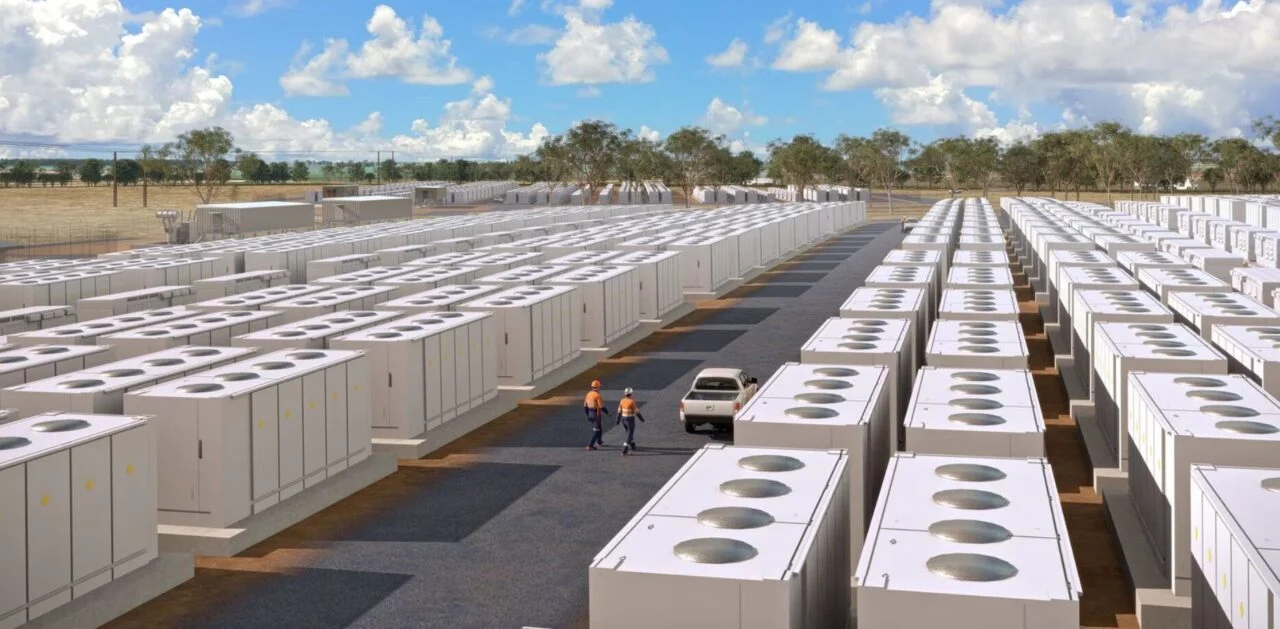
Sembcorp Industries has completed its acquisition of Alinta Energy at a value of AU$6.5 billion (US$4.32 billion).
Why it matters: Mega-acquisitions like this signal that the era of the boutique developer is ending; if you aren't scaling to GW-levels, you're just prepping a portfolio for a corporate takeover.
The Industrialization of the Development Cycle
Don’t let the 'Australia' tag fool you into thinking this is a local story. Sembcorp isn’t buying Alinta because they have a passion for the Outback; they are buying a 10.4GW pipeline because, in the current global market, the hardest thing to find isn't capital or panels—it's the legal right to put a post in the ground. For a developer in the EU, this is a mirror. Whether you are in Brandenburg or Badajoz, your value is no longer in your engineering prowess; it’s in your ability to navigate the permitting hellscape to create a 'bankable' project.
The Buy-vs-Build Calculus
Sembcorp just paid a massive premium for existing assets and a promise of future ones. This reflects a global shift where energy titans prefer to acquire brownfield portfolios at AU$625,000 per megawatt (roughly) rather than endure the 7-year lead times of greenfield development. In Europe, we’re seeing the same consolidation. If you’re a mid-sized developer in Poland or Greece with a 500MW pipeline, you aren't an independent business anymore—you are an R&D department for the likes of Iberdrola, Statkraft, or Sembcorp. They are waiting for you to clear the RED III permitting hurdles so they can swallow you whole.
The Margin Squeeze in Saturated Markets
Why Australia? Because the merchant risk in Europe is getting spicy. With negative pricing events hitting the Netherlands and Germany with increasing frequency, big capital is looking for markets where the generation profile matches a high-demand, high-volatility retail base. Sembcorp is buying a vertically integrated beast. The lesson: If you are just selling electrons to the grid at spot prices, you’re a price-taker on a sinking ship. The real money is in the integrated model—generation, storage, and retail. If your 2025 strategy doesn't involve moving 'behind the meter' or into BESS, you're building assets that the big boys will buy for cents on the dollar when the next price cannibalization wave hits.