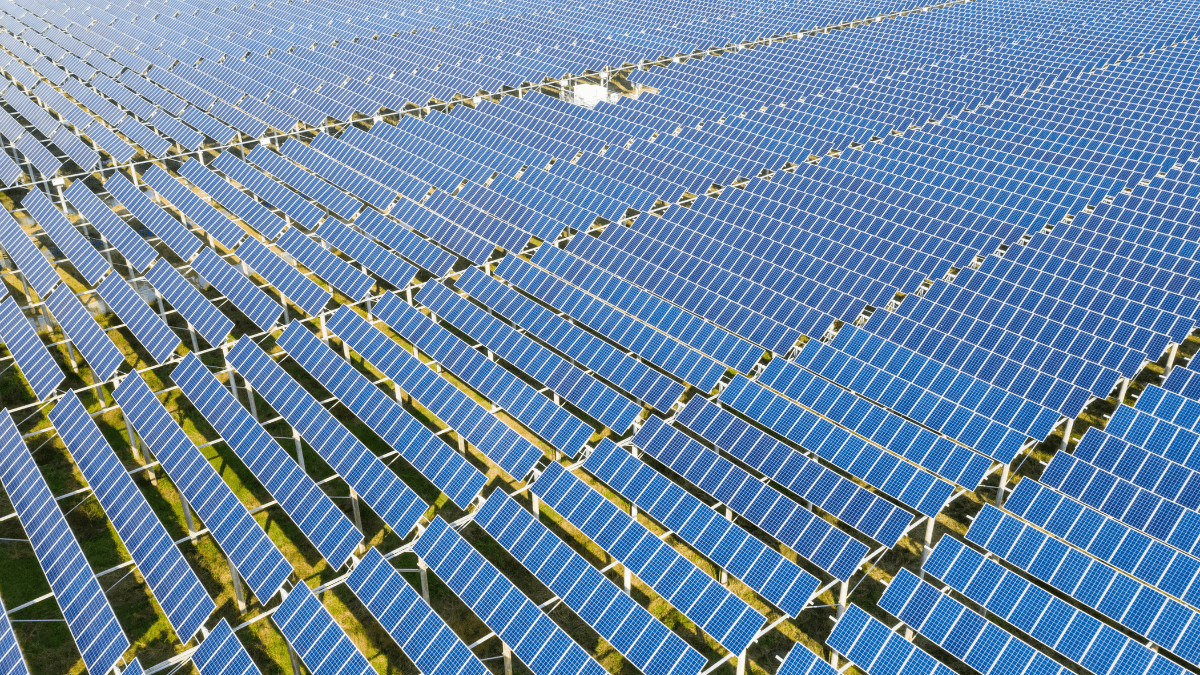
The project is anticipated to produce around 135 GWh of renewable electricity annually and is part of Fortis Energy's strategy to enhance renewable energy across Southeast Europe, aiding Albania's energy diversification.
Why it matters: The Balkans are skipping the 'solar-only' phase and going straight to utility-scale hybrid plants, creating a high-growth corridor for developers who can handle cross-border logistics.
The Hydro-Hedge Strategy
For years, Albania has been the outlier of Europe, running almost entirely on hydropower. But as any veteran developer knows, relying on rain is a high-stakes gamble. Fortis Energy’s 75 MWp Ersekë project isn't just another solar farm; it’s a sophisticated hedge against the increasingly frequent droughts that turn the Balkan power grid into a volatility nightmare. By integrating a Battery Energy Storage System (BESS) from the jump, Fortis is bypassing the 'solar-only' phase that caused so much grid instability in more mature markets like Spain or California.
Why the 'Wild East' is Winning
While German developers are drowning in the 18th month of a permitting cycle for a 10 MWp site, Southeast Europe is moving at breakneck speed. Fortis is executing a 2 GW pipeline across the region (including Serbia and North Macedonia), and they aren't waiting for the subsidies that crippled the Western European market's agility. The math in Albania is simple: peak demand often hits when hydro reserves are low. A 75 MWp plant producing 135 GWh annually, backed by storage, allows Fortis to capture merchant prices that would make a Dutch installer weep.
The Technical Reality Check
Don't be fooled by the 'emerging market' label. These projects are using top-tier tier-1 components—think Trina or Jinko n-type modules paired with Huawei or Sungrow string inverters—to ensure bankability for international lenders. The inclusion of BESS at the construction phase tells us that the Balkan market has already internalized the lesson the rest of the EU is still learning: if you build pure PV without storage in 2024, you’re just building a stranded asset that will be curtailed into oblivion. For installers in more established markets, the signal is clear: the high-margin utility work is migrating to the Balkan corridor where the grid needs the capacity and the regulators are actually willing to permit it.