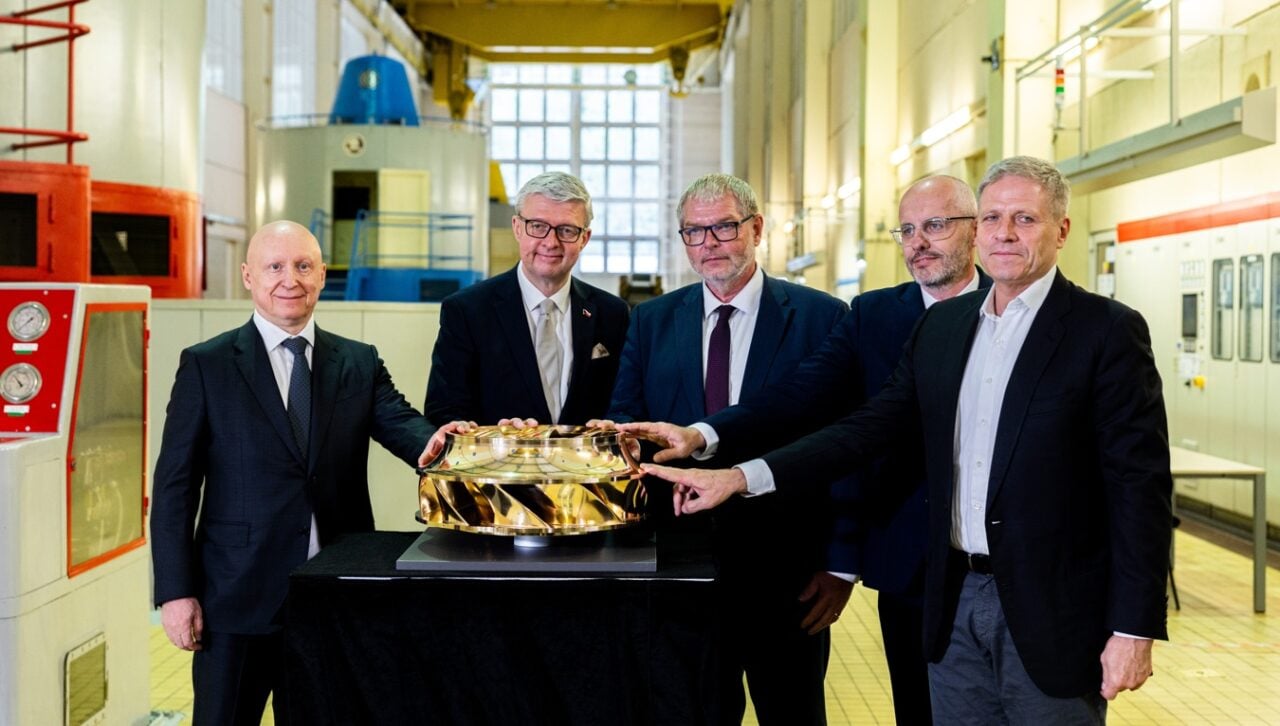
The Czech Republic's fourth pumped hydro energy storage plant is to be built within an existing hydropower complex, converting convention run-of-river into reversible units, creating 750MWh of energy storage capacity.
Why it matters: Massive hydro-storage retrofits like this are the 'sink' that will prevent your solar projects from being curtailed when the grid hits its limit.
The Brownfield Storage Hack
While the industry is currently obsessed with the declining cost of LFP cells and the promise of Sodium-ion, this Czech move to retrofit run-of-river hydro into a 154MW/750MWh pumped storage (PHES) facility is a masterclass in pragmatism. For solar developers in Central Europe, this isn't just an engineering curiosity; it’s a signal of how grid operators like ČEPS intend to manage the 'Solar Tsunami' hitting the V4 countries.
Why Batteries Aren't Always the Answer
In regions like the Czech Republic, Poland, or eastern Germany, permitting for new-build BESS can be a bureaucratic nightmare. Fire regulations are tightening, and the CAPEX for a 750MWh battery installation remains a tough pill for utilities to swallow without massive subsidies. By converting existing 'run-of-river' assets into reversible units, the developer sidesteps the most painful parts of the development cycle: new grid connection permits and land acquisition.
If you're an installer or developer, don't just track battery prices. Watch the 'dumb' iron and water. Projects like this provide the deep-cycle stability that allows the grid to accept more of your volatile PV juice without collapsing the frequency.