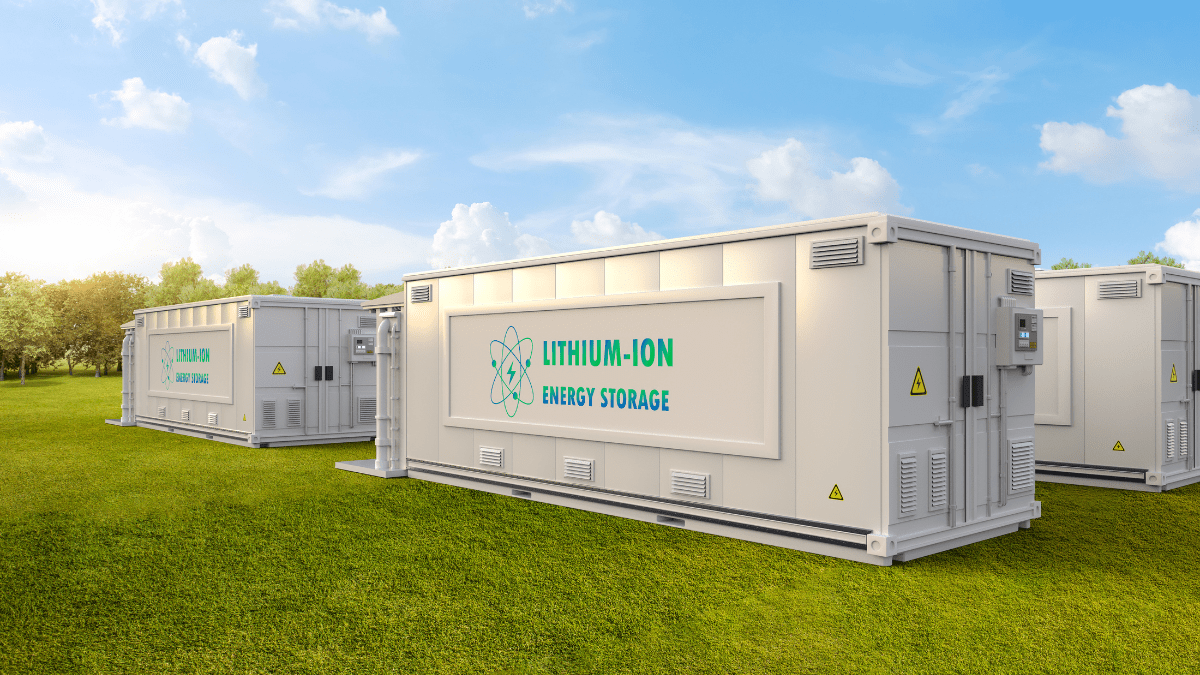
Funded under the Government of India's Viability Gap Funding scheme, the project aims to enhance grid stability and support renewable energy integration, with expected revenues over ₹450 crore.
Why it matters: India’s massive VGF-backed BESS orders are locking up Tier 1 battery supply chains, directly impacting the pricing and lead times for your next European utility-scale project.
The VGF Mechanism: A Lesson in Bankability
While European developers are still wrestling with 'merchant-only' BESS models that rely on volatile frequency response markets, India is scaling up via the Viability Gap Funding (VGF) scheme. This isn't just another subsidy; it’s a surgical strike at the CAPEX hurdle that keeps many 100MW+ projects in the EU trapped in 'spreadsheet limbo'.
This 150 MW / 300 MWh project in Gujarat highlights a critical shift: the two-hour duration is becoming the global utility-scale baseline. In markets like Germany or the Netherlands, we've seen a preoccupation with shorter 1-hour bursts for primary reserve. But as solar penetration exceeds 30% on the grid, the Indian model of shifting bulk energy—supported by government revenue floors—is what the European 'Net-Zero Industry Act' aims for but hasn't yet streamlined into a workable reality.
What should you watch? The Supply Chain Echo.If you think India’s energy market is disconnected from your business, think again. The 300MWh of LFP cells destined for Gujarat are cells that won't be sitting in a warehouse in Rotterdam. We are in a global bidding war for stationary storage capacity, and countries with clear subsidy frameworks like India are winning the first round of hardware allocation.