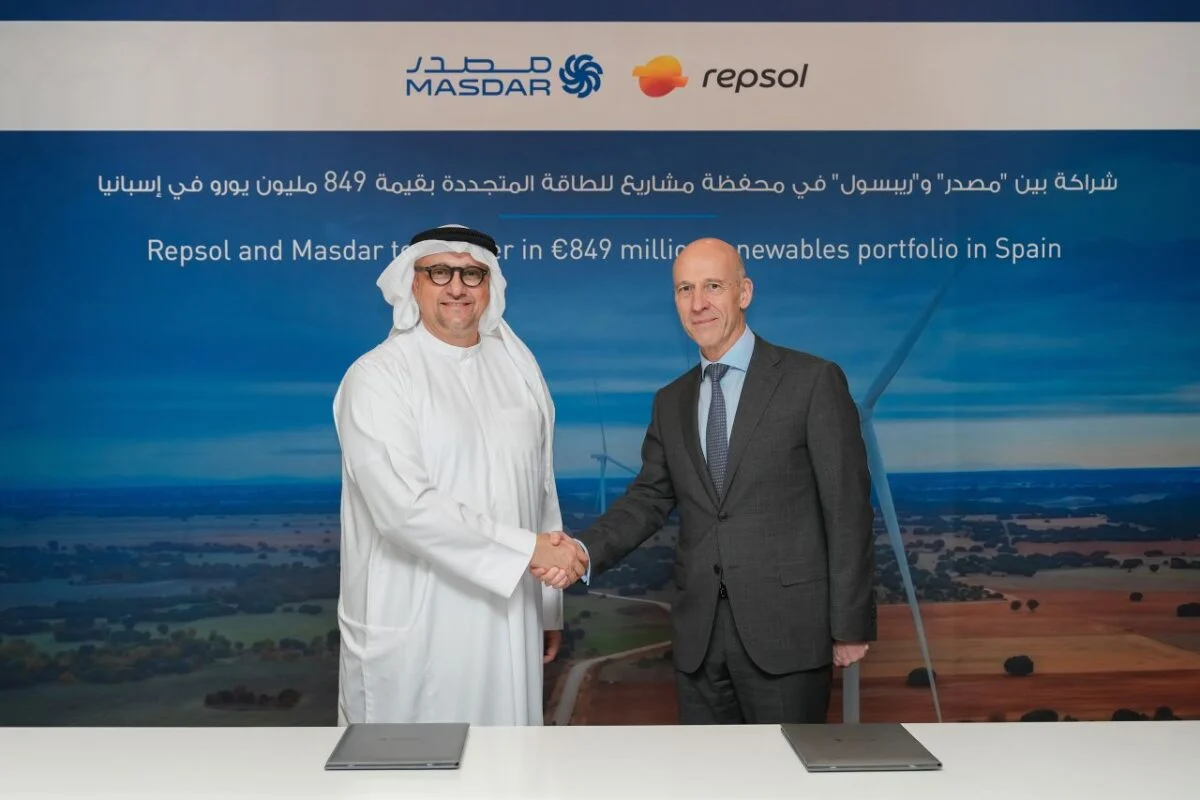
UAE state-owned renewables developer Masdar has acquired a 49.99% stake in a 705MW operational renewables portfolio in Spain from oil major Repsol.
Why it matters: Institutional hunger for de-risked Spanish assets is driving a 'build-to-sell' frenzy that squeezes smaller developers out of the grid queue.
When an oil giant like Repsol sells half of a 705MW portfolio to a sovereign-backed entity like Masdar, don't mistake it for an exit. This is a masterclass in 'capital recycling.' By offloading 49.99% of operational assets—likely including the massive 264MW Valdesolar project in Badajoz—Repsol is clawing back liquidity to fund its next 10GW of development without bloating its balance sheet. For the boots-on-the-ground developer in Iberia, this is the ultimate market signal: the 'Build-to-Sell' model is the only way to survive the current interest rate environment.
The Yield-Co Trap
Institutional investors are currently terrified of development risk but have an insatiable appetite for de-risked, operational electrons. Masdar isn't buying solar panels; they are buying 30 years of predictable cash flow backed by Spanish PPA structures. If you’re a mid-sized developer, the competition for land and grid access just got harder. Why? Because players like Repsol can now outbid you for every hectare in Extremadura or Castilla-La Mancha, knowing they have a 'buyer of last resort' like Masdar ready to pay a premium for the asset once the COD (Commercial Operation Date) stamp is dry.
We’ve seen this play out before with TotalEnergies and BP. The oil majors are becoming the utility-scale version of 'flippers.' They use their massive balance sheets to bully their way through the permitting bottleneck, build the site, and then sell the 'safe' half to sovereign wealth funds. If you’re an installer or a smaller EPC, your best move is to stop trying to compete on scale and start positioning yourself as the specialized O&M partner these foreign owners will desperately need to maintain their 2.4m/MW investments.