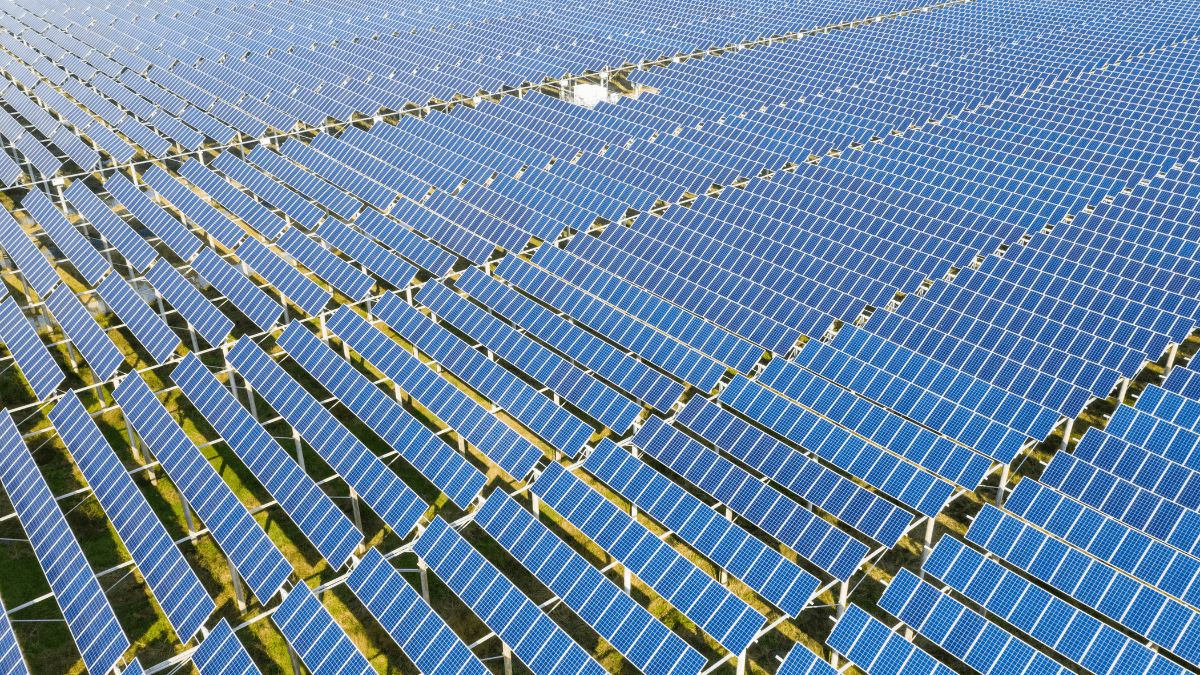
Lithuania-based renewable energy developer Eternia Solar has awarded a contract to ELEKTROTIM for the design and construction of power infrastructure supporting its 30 MW solar photovoltaic project in Kłodzko, southwestern Poland.
Why it matters: In the Polish market, securing high-voltage engineering capacity is now a bigger competitive advantage than sourcing cheap modules.
The Illusion of Cheap Solar
Everyone is obsessed with module prices hitting record lows, but in the Polish market, panels are the easy part. The real battle is being fought at the substation. Eternia Solar’s decision to tap ELEKTROTIM—a heavyweight in Polish power engineering—for the 30 MW Kłodzko project is a clear signal: if you aren't secured on the high-voltage side, you don't have a project.
The Rejection Reality
In Poland, the grid is the ultimate gatekeeper. Operators like PGE, Tauron, and Enea have been rejecting grid connection applications at an alarming rate—often exceeding 60-80% in congested regions. For a developer like Lithuania-based Eternia, moving into the Polish market requires more than just capital; it requires local partners who can actually navigate the technical requirements of the 110kV/MV infrastructure. This isn't a job for a standard EPC; it’s a job for power system specialists.
The Strategy for Developers
Stop treating the grid connection as a line item in your EPC contract. In markets like Poland, Germany, or the Netherlands, the Balance of System (BoS) and grid-side engineering are now the primary drivers of project viability. If you are developing in Poland, your first call shouldn't be to a module manufacturer; it should be to a power infrastructure firm to see if they even have the capacity to look at your site.