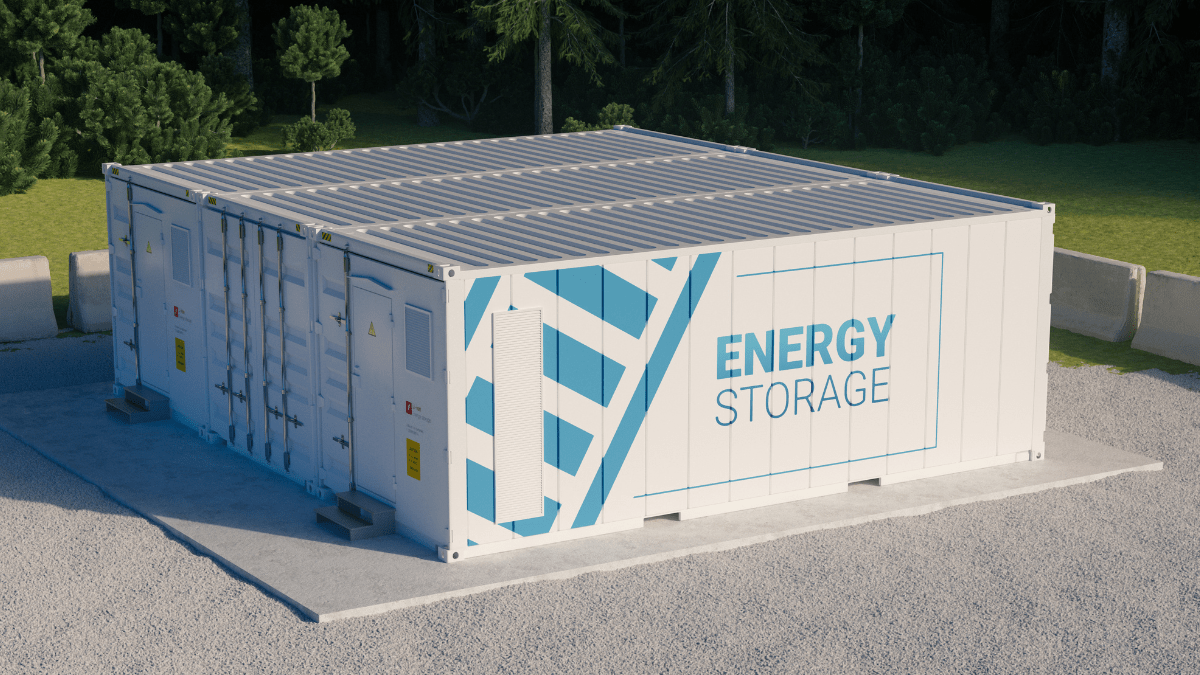
Adani Green Energy Limited plans to install 14 GWh of battery storage at its Khavda renewable energy project in Gujarat by 2026-27.
Why it matters: The era of 'dumb' solar is over; if you aren't integrating BESS into your 2026/27 project pipelines now, you're designing for a market that no longer exists.
When Adani moves, they don't do it in megawatt-hours; they do it in gravity-shifting shifts of the global supply chain. A 14 GWh BESS installation at a single site like Khavda isn't just a local grid stabilizer; it is a crystal ball for every utility-scale developer in Europe. If you think your 50MW solar farm in Andalusia or Brandenburg is safe without a massive storage buffer, you haven't been paying attention to the cannibalization of capture prices.
The Supply Chain Squeeze is Coming
Let’s talk about procurement. 14 GWh of capacity by FY27 means Adani is going to be vacuuming up LFP (Lithium Iron Phosphate) cells at a rate that would make a Tier-1 OEM sweat. For European installers, this is a warning: the "cheap battery" era is currently buoyed by Chinese overcapacity, but mega-projects of this scale in India and the Middle East will tighten the market. If you aren't locking in supply agreements for your 2026 pipelines now, you'll be fighting Adani and NEOM for the same CATL or BYD production lines.
The Death of the 'Dumb' PV Plant
In Spain, we’ve already seen curtailment rates spike, and negative pricing in Germany is no longer a freak occurrence—it’s a business model killer. Adani’s move confirms that the Levelized Cost of Solar (LCOE) is now irrelevant; the only metric that matters is the Levelized Cost of Dispatchable Energy.
We saw this same pattern with modules in 2018. The scale moves to Asia first, the technology matures, and the European regulatory environment—like the EU’s updated Renewable Energy Directive (RED III)—eventually mandates the same level of grid responsibility. Adani isn't just building a battery; they are setting the new global baseline for what a 'solar plant' actually is.