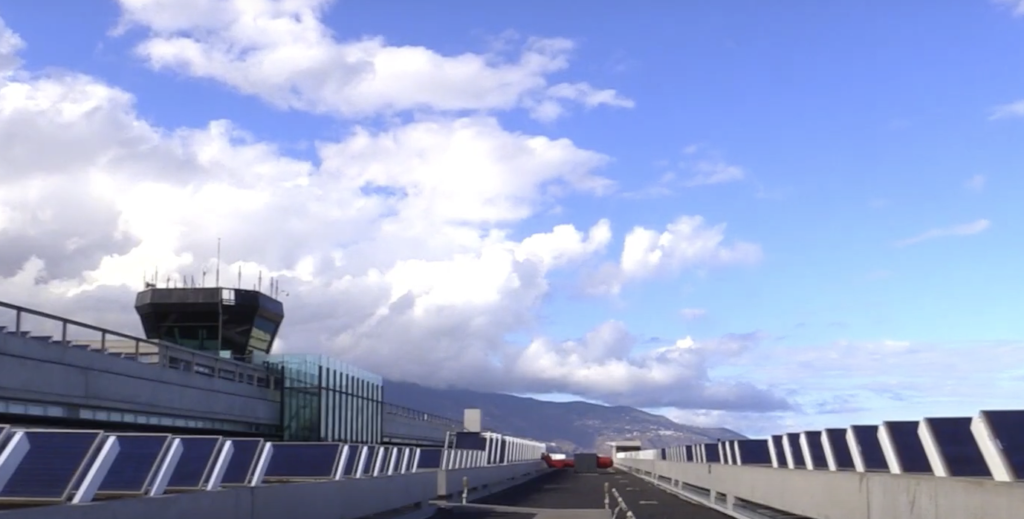
El contrato cuenta con un presupuesto total de 5,26 millones de euros y un plazo de ejecución de 32 meses.
Why it matters: Aena's bloated budgets and glacial timelines prove that public sector solar remains disconnected from the hyper-efficient reality of the private C&I market.
Let’s talk about the elephant in the terminal: €1.05 per watt peak. In an era where Tier 1 TOPCon modules are sitting in Rotterdam warehouses at €0.11/Wp, seeing a 5 MW ground-mount project budgeted at over €5 million should make every lean C&I installer in Spain cough on their espresso. Even after accounting for the inevitable 'airport tax'—stringent AESA security clearances, specialized grounding requirements, and the glint-and-glare studies required for runway proximity—this budget is incredibly bloated.
The 32-Month Snail’s Pace
What’s more offensive than the price is the timeline. 32 months for 5 MW? If a private developer took nearly three years to commission a five-hectare array, their LCOE projections would be shredded by interest rates before the first pile was driven. This is the hallmark of Spanish public procurement: a glacial pace that ignores the reality of hardware deflation. By the time this project is commissioned in late 2026 or 2027, the technology specified in the initial tender will likely be legacy kit.
A Warning for Mid-Sized EPCs
While the €5.26M headline looks juicy, this is a classic 'margin trap' for mid-sized installers. Aena’s 'Plan Fotovoltaico' aims for 425 MW across its network, but the overhead of dealing with public sector audits and the logistical nightmare of working airside can turn that €1/W into a loss-maker. Unless you have a dedicated department for bureaucratic wrestling, leave these to the big players like Acciona or Cobra. For the rest of us, this tender serves as a reminder: the public sector is still paying 2019 prices for 2024 technology, but you'll pay for it with your sanity during those 32 months of red tape.