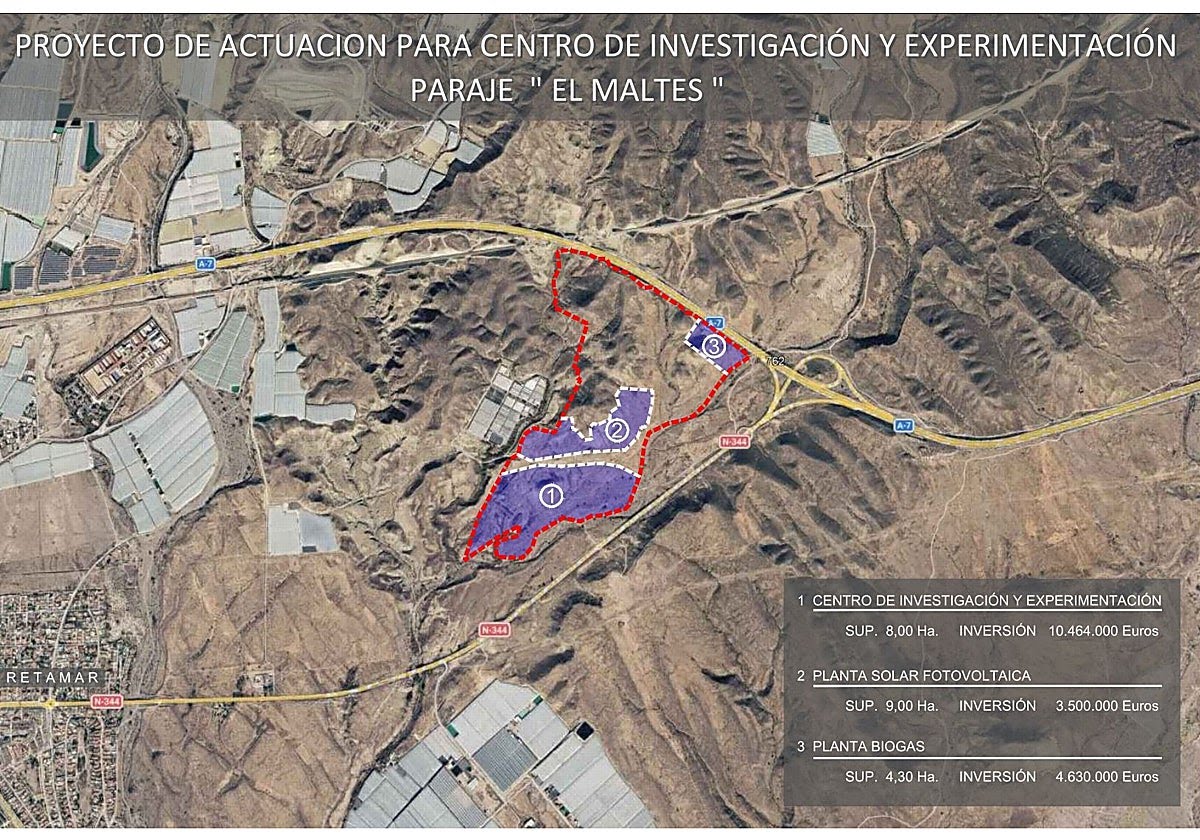
El Ayuntamiento de Almería ha admitido a trámite el complejo proyectado por la Cooperativa Agrícola San Isidro (Casi) en el paraje El Maltés, que incluye una planta fotovoltaica destinada a autoconsumo con un presupuesto de 3,5 millones, y otra planta de biogás con una inversión de 4,6 millones.
Why it matters: The high-margin future of C&I isn't just PV—it's the integration of solar with waste-to-energy and thermal systems for industrial giants.
Look closely at the math in this filing from CASI, one of Europe’s largest tomato cooperatives. They aren’t just slapping panels on a warehouse; they are spending €1.1 million more on biogas than on the 5MW PV array. For the average Spanish installer used to pitching simple ROI on modules, this is a wake-up call. We are entering the era of the industrial microgrid where solar is the commodity and integration is the high-margin prize.
The Circular Economy is the Real Driver
Why is a agricultural giant in Almería’s 'Sea of Plastic' pivoting this hard? It’s not just about the price of electricity. It’s about waste liabilities and thermal demand. In southern Spain, PV is cheap and abundant, but it doesn't solve the problem of organic waste or the need for consistent process heat. By pairing a €3.5M solar plant with a €4.6M biogas facility, CASI is solving three problems at once: high daytime power costs, waste disposal fees, and carbon footprint mandates.
What This Means for Your Pipeline
If you’re still just talking about P50 yields and Tier 1 modules, you’re missing the point. The sophisticated C&I client in 2024 wants energy independence, and in the agricultural sector, that requires a chemistry set, not just a silicon set.