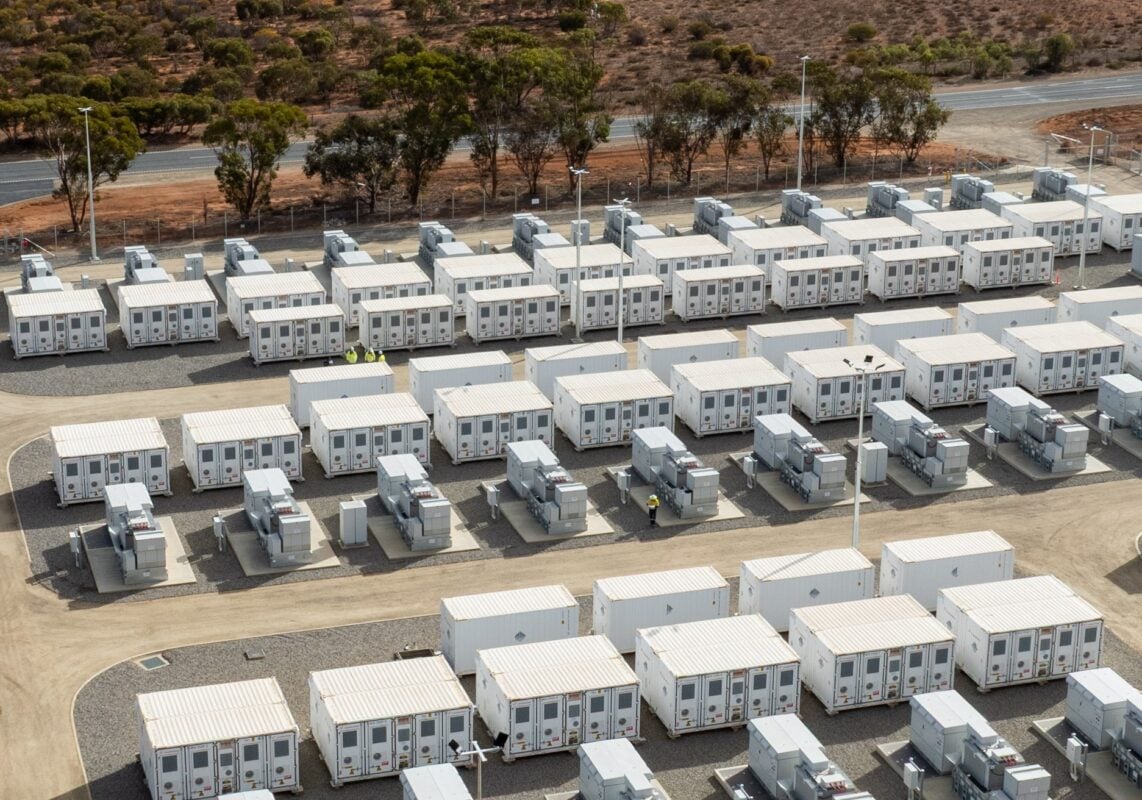
The results of the FERM tender demonstrate that battery energy storage systems (BESS) are now the most cost-competitive solution for providing firming capacity in a high-renewables grid.
Why it matters: Stop pitching BESS as a solar accessory; South Australia proves storage is now the primary grid architect and gas's biggest threat.
When a government holds a "technology-neutral" auction and batteries sweep the board, it’s not a fluke—it’s a foreclosure on the gas industry. South Australia’s FERM results should be required reading for every MEP in Brussels currently tinkering with the Kraftwerksstrategie in Germany or Italy’s MACSE storage mechanism. The myth that we need new gas peakers to bridge the gap until 2035 is being dismantled by LFP chemistry and aggressive bidding.
The Death of the 'Gas Peaker' Margin
In Europe, we’ve spent years coddling the idea that solar is the 'unreliable' child that needs a gas-fired parent to keep the lights on. Australia just proved that BESS is now the adult in the room. For a project developer in the Netherlands or Spain, this signals a shift in where the long-term revenue is hiding. We are moving away from simple PPA arbitrage toward firming contracts where you’re paid for availability, not just throughput. If you’re still pitching a 50MW solar farm without a 2-hour BESS minimum, you’re essentially bringing a knife to a gunfight.
Why the EU is Next
The Australian grid is a laboratory for what happens when renewables hit 70%+ penetration. In Germany, we saw negative prices for 400+ hours last year. The traditional 'solar-only' model is cannibalizing its own margins. The FERM tender shows that even when gas is an option, it cannot compete with the sub-second response times and dropping CAPEX of systems from the likes of Tesla, Fluence, or NHOA. If you are an EPC, your value-add is no longer about getting panels on a roof for €0.60/watt; it’s about integrating the battery management system (BMS) into a grid that is desperate for frequency stability.