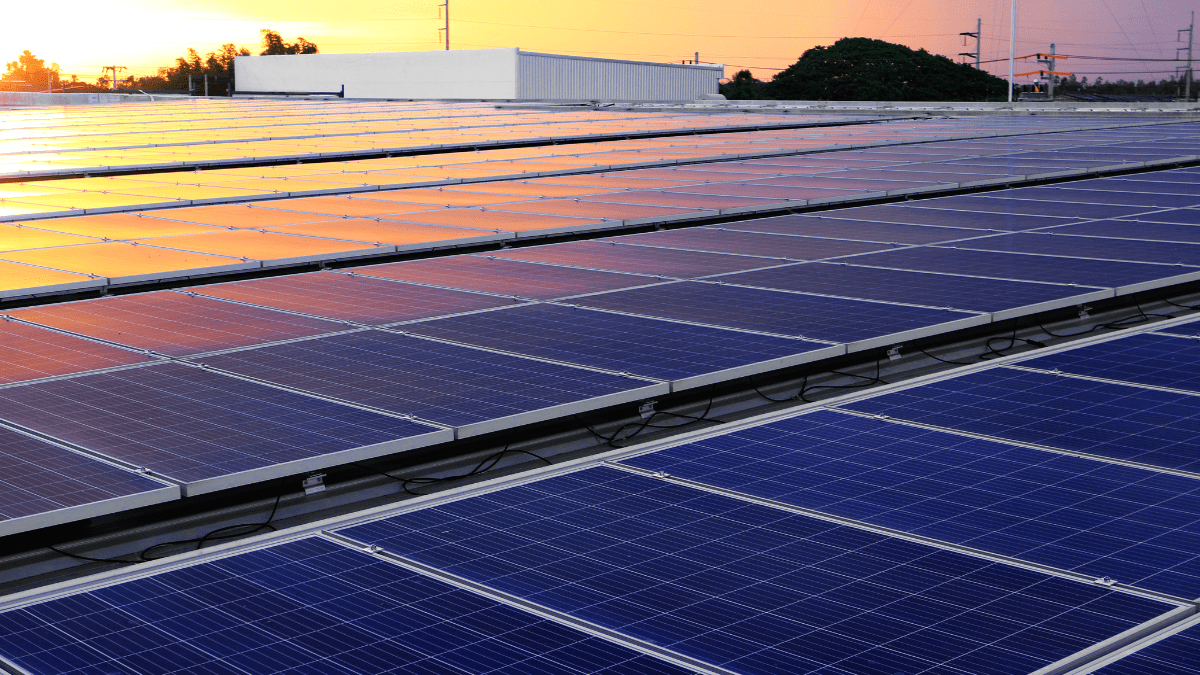
The Bihar Electricity Regulatory Commission has approved a project for procuring 275 MW of rooftop solar power, targeting low-income households across 18 distribution circles. Jointly proposed by SBPDCL and NBPDCL, the initiative will install 1.1 kW systems at no cost to consumers.
Why it matters: A 250,000-unit inverter order in one region creates a supply chain ripple that can bump your small-scale residential lead times in Europe.
On the surface, 275 MW sounds like a rounding error in the global solar market. But look closer: this is 250,000 individual installations of 1.1 kW each. For a European installer, this is either a logistical fever dream or a masterclass in massive-scale social engineering. While we struggle to get a single 10 kW residential system through the German Netzbetreiber bureaucracy, Bihar is attempting to bypass the middleman entirely with a state-funded blitz.
The Supply Chain Siphon
Don't ignore this just because it’s happening in India. A quarter-million 1.1 kW systems require 250,000 small-capacity inverters. This is exactly where brands like Solis, Growatt, and GoodWe dominate. When a single state entity in India places an order of this magnitude, it creates a supply vacuum. If you’re a distributor in the Netherlands or Poland wondering why your entry-level residential inverter lead times just spiked, this is your answer. Tier-2 manufacturers will prioritize these massive, state-backed bulk contracts over fragmented European wholesale orders every time.
The O&M Time Bomb
As professionals, we know that the real cost of solar isn't the CAPEX—it's the truck rolls. Who maintains 250,000 micro-systems distributed across 18 rural circles? Bihar is effectively creating a massive O&M liability. In Europe, we see a similar trend with the Social Climate Fund, which aims to mobilize €86 billion for energy poverty. The Bihar model of "zero cost to consumer" is the ultimate test case for whether decentralized, low-income solar can actually survive without a robust service industry behind it.
If you're looking for a margin play, watch the bidding process for the EPC contracts. The winners won't be the guys with the best panels; they'll be the ones who have mastered hyper-local logistics and digital monitoring. If you can manage 250,000 sites in Bihar, you can manage any portfolio in the EU.