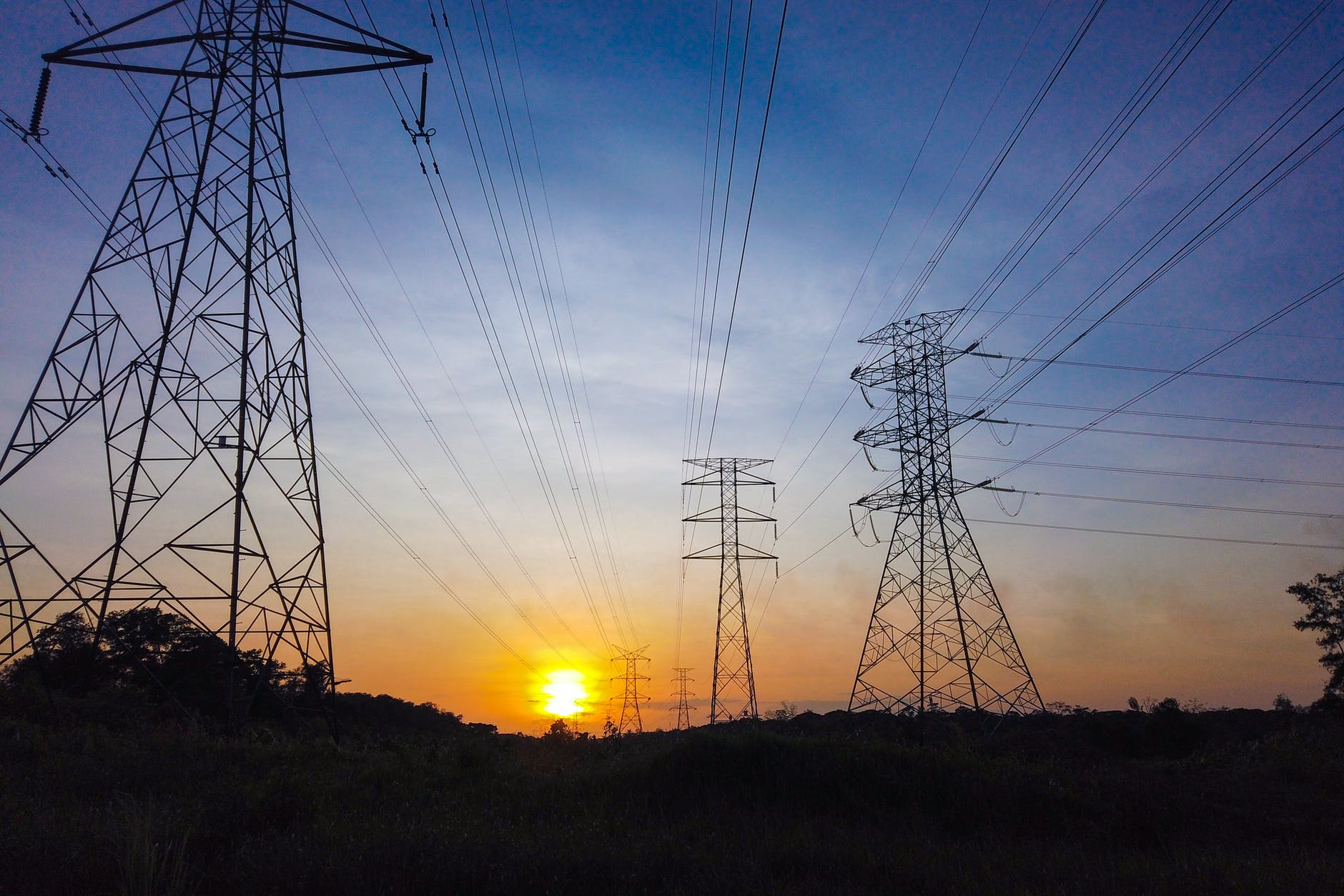
REC Limited has successfully sold Jalna Power Transmission Limited to Maharashtra State Electricity Transmission Company Limited for ₹3.21 crore, completing the transaction on June 12, 2026.
Why it matters: Grid bottlenecks are a policy choice, not a technical inevitability; India's SPV model proves you can trade transmission capacity like a commodity to speed up interconnection.
At first glance, a ₹3.21 crore (roughly €355,000) transaction in Maharashtra seems like a rounding error for a major utility. But look closer at the mechanism. This isn't just a sale; it’s the final stage of a plug-and-play transmission model that makes Europe’s grid connection process look like a relic from the steam age.
The SPV as a Speed Hack
In the EU, specifically in markets like the Netherlands and Poland, solar developers are suffocating in grid queues. You scout the land, secure the lease, and then TenneT or PSE tells you there’s an eight-year wait for a substation upgrade. The Indian model, exemplified by this Jalna project, flips the script. The government creates a Special Purpose Vehicle (SPV), handles the preliminary clearances, and then auctions the entire project to the entity most capable of executing. REC Limited’s subsidiary (RECPDCL) acted as the incubator, and the state utility (MSETCL) is now the operator.
Why Your Next C&I Project Depends on This Shift
The European Commission’s Grid Action Plan is currently flirting with the idea of more private-sector involvement in transmission. We are moving away from the "first-come, first-served" mess toward a more strategic, tender-based grid allocation. If you’re a developer in Spain or Germany, you should be rooting for this. When grid capacity is treated as a tradable, de-risked asset—much like the Jalna SPV—the bottleneck moves from the bureaucrat's desk to the engineer's field, where we actually know how to solve problems.
Stop looking at India as just a land of cheap labor and massive scale. Look at it as a laboratory for regulatory speed. If the EU doesn't adopt a similar 'auctioned grid' model, your 2030 targets are purely aspirational.