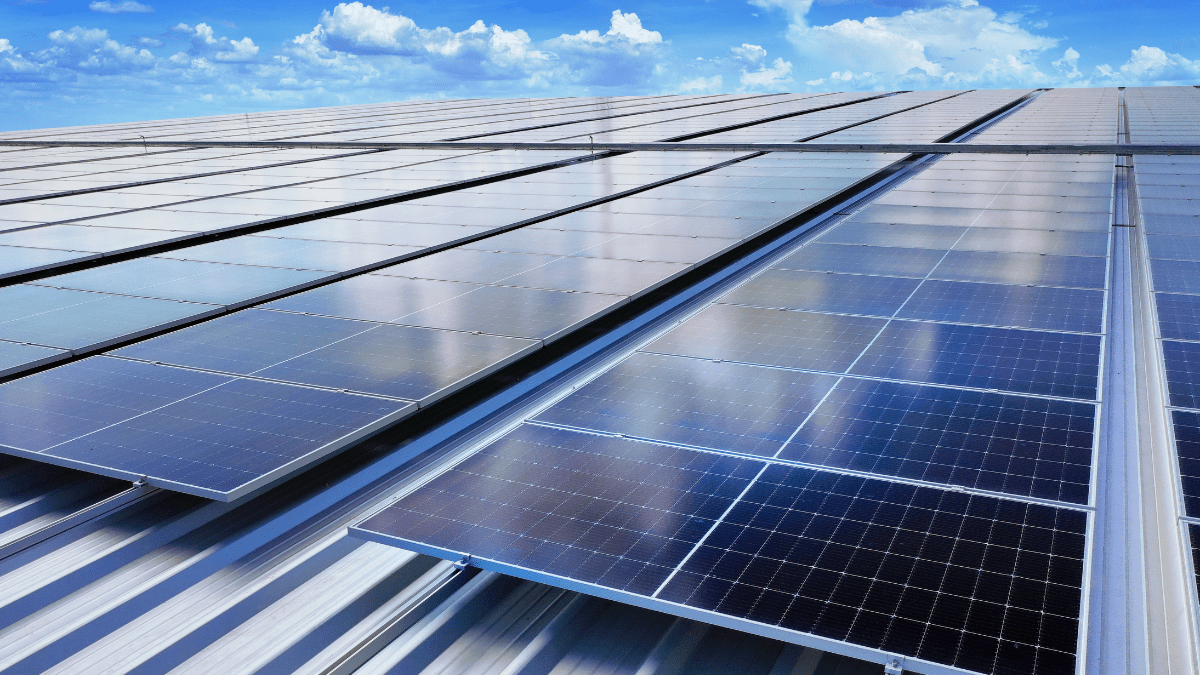
The Nagaland Department of Power has issued an invitation for online bids to install on-grid rooftop solar systems in village council halls, totaling 1.65 MW capacity.
Why it matters: Public tenders are shifting from 'cheapest per watt' to 'most resilient for the community'—standardize your remote deployment kits now or get buried by O&M costs.
On paper, 1.65 MW is a rounding error for a serious European developer. But look at the geography and the use case: this is Nagaland, a mountainous region in Northeast India where the grid is often more of a suggestion than a reality. This tender isn't about bulk power; it’s about distributed public infrastructure, and it’s a mirror for the same challenges we’re facing with the EU’s Solar Rooftop Initiative.
The Logistics Trap
For an installer in the Black Forest or the Pyrenees, the math here is familiar. When you spread 1.65 MW across dozens of village halls, your margin isn't eaten by hardware costs—it’s swallowed by truck rolls and O&M logistics. If you aren't using a standardized kit, like a pre-wired cabinet with an SMA or Fronius string inverter and remote monitoring that actually works over 4G, you’ll spend your entire maintenance budget just driving to the sites. In remote areas, the 'soft costs' of deployment can represent 60% of the total project CAPEX.
Policy Parallels: DCR vs. NZIA
European professionals should note the regulatory framework here. Indian tenders like this often carry Domestic Content Requirements (DCR), mandating locally made cells and modules. While the EU’s Net Zero Industry Act (NZIA) stops short of such blunt protectionism, we are seeing a clear shift toward 'resilience' criteria in public tenders. If you’re bidding on municipal projects in France or Germany, expect to see more weight given to European-made components or 'sustainability scores' that effectively penalize long-distance shipping from China.
The real takeaway? The "Chief Minister’s Community Solar Partnership" is a play for social license. We’re seeing the exact same trend in Spain and Italy with Energy Communities under the RED II directive. The future of public solar isn't the 50MW ground-mount; it’s the high-headache, high-value distributed portfolio that keeps the lights on in the town hall when the main grid fails.