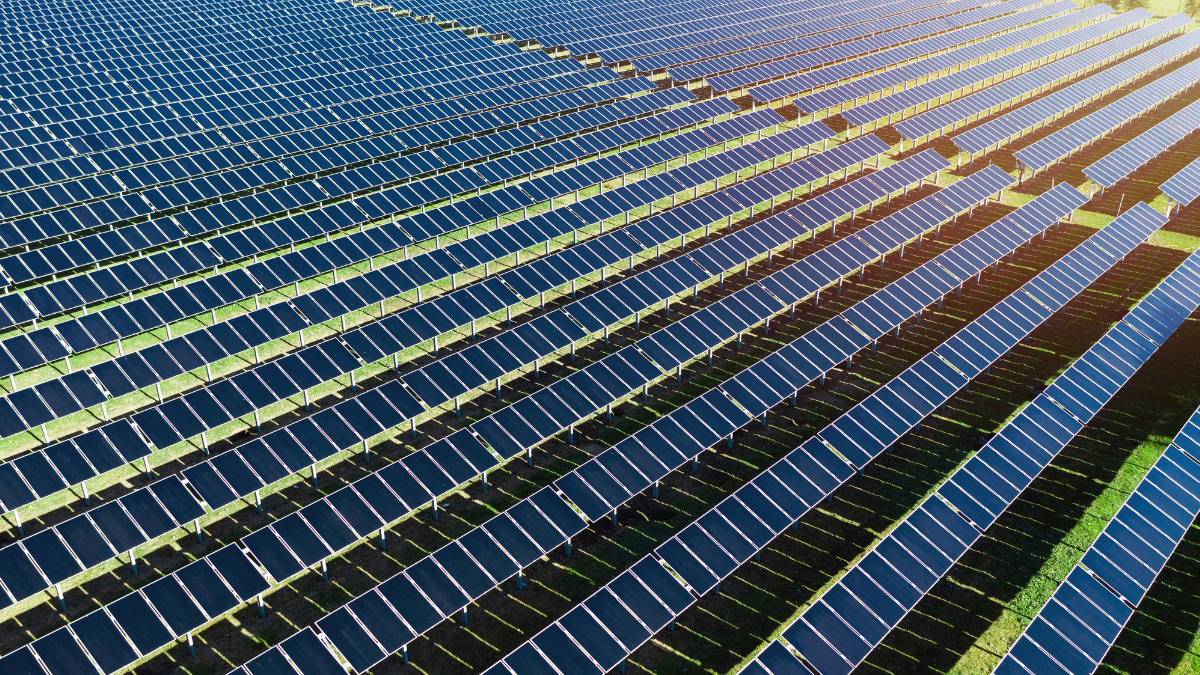
Their initiative includes deploying 34 MWp solar generation and 40 MWh battery systems across key facilities and EV charging stations, aiming to cut 25,000 tonnes of carbon emissions over five years.
Why it matters: Stop treating BESS as a luxury; in high-cost or unstable energy environments, a 1:1 storage-to-PV ratio is the only way to guarantee C&I resilience.
The 1:1 Storage Ratio Reality Check
While many European installers are still debating whether a 2-hour BESS is 'overkill' for a C&I site, First WATT and MTN are building a 34 MWp / 40 MWh beast in Nigeria. This isn't just about carbon credits or ESG posturing; it's a brutal economic hedge against the volatility of diesel. In markets where the grid is more of a suggestion than a guarantee, solar-plus-storage is the only way to ensure 99.9% uptime for critical infrastructure.
The Supply Chain Ripple Effect
If you are wondering why lead times for 100kW+ inverters or containerized storage are stretching in Hamburg or Milan, look no further than these massive 'diesel replacement' projects in the Global South. They are increasingly sucking up the same Tier 1 inventory—think Huawei FusionSolar or Sungrow PowerStack—that European developers are queuing for. We are now competing in a global hardware vacuum where 'reliability' pays a higher premium than 'subsidies' ever did.
Engineering for the Extreme
For the field engineers reading this: Nigeria is the ultimate stress test. If First WATT is deploying LFP chemistries in that climate, the thermal management systems have to be flawless. Any hardware that survives five years of Lagos humidity and heat without significant capacity fade is exactly what you should be speccing for your next project in southern Spain, Sicily, or Greece. We should be looking at these projects not as 'foreign aid' stories, but as R&D laboratories for the extreme weather resilience we'll need in Europe by 2030.
The takeaway? Stop selling storage as an add-on. Start selling it as the primary reliability layer. When diesel prices spiked in Europe recently, the math suddenly looked a lot more like Nigeria's. Don't wait for the next energy crisis to master these high-ratio BESS configurations.