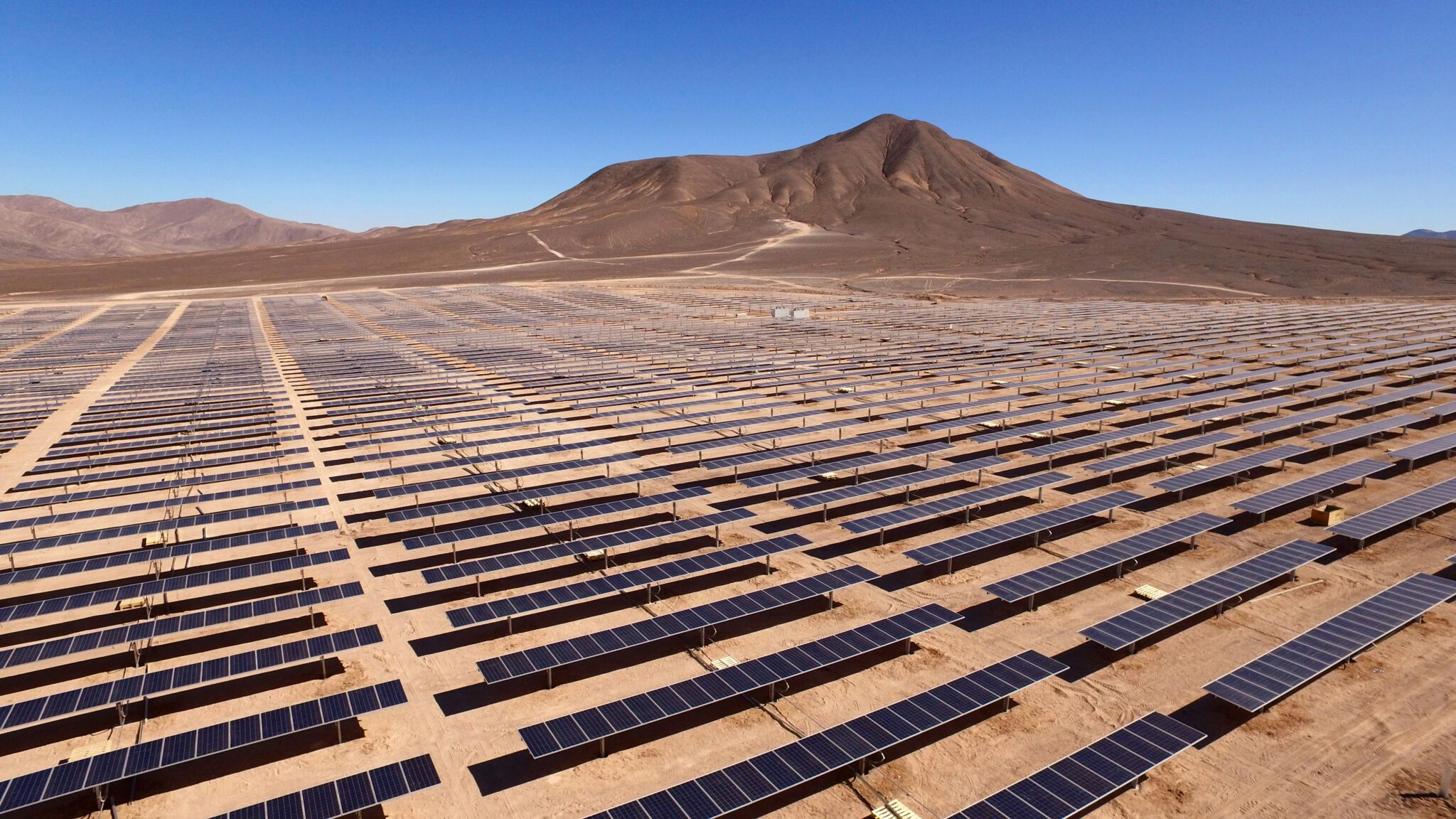
El Boletín Oficial del Estado ha publicado en la segunda semana de junio siete proyectos renovables. Entre ellos destaca un proyecto de almacenamiento de 115 MW en Badajoz.
Why it matters: Pure-play solar projects in Spain are facing revenue cannibalization; if you aren't integrating BESS now, your project's ROI will vanish before the first inverter warranty expires.
Spain is currently the canary in the coal mine for the rest of Europe. While German installers are still debating residential battery ROI, the Spanish utility-scale market has already moved on. The latest BOE filings aren't just administrative updates; they are a survival guide for anyone developing assets in high-penetration markets.
The Cannibalization Crisis
In April and May, we saw OMIE spot prices hitting zero or negative during peak solar hours more frequently than ever. If you’re a developer in Extremadura or Andalusia building pure-play PV today, you aren't building a power plant; you’re building a liability. The 115 MW BESS project in Badajoz is a direct response to this reality. By decoupling generation from discharge, these developers are betting they can capture the €60-80/MWh evening peaks while avoiding the midday price collapse that is destroying the margins of older, storage-less plants.
The Hybridization Mandate
This isn't just a game for the giants like Iberdrola. This shift trickles down to the C&I sector with brutal efficiency. Any installer pitching a 1MW+ rooftop or ground-mount system in Southern Europe without at least a 2-hour storage buffer is doing their client a disservice. We’re seeing a shift where Levelized Cost of Storage (LCOS) is no longer an 'extra'—it's the insurance premium you pay to ensure your project remains bankable as Red Eléctrica (REE) tightens grid constraints.
If you're still selling 'just panels,' you're selling a sunset technology. The smart money is moving into the 'energy management' space, not just 'energy generation.'