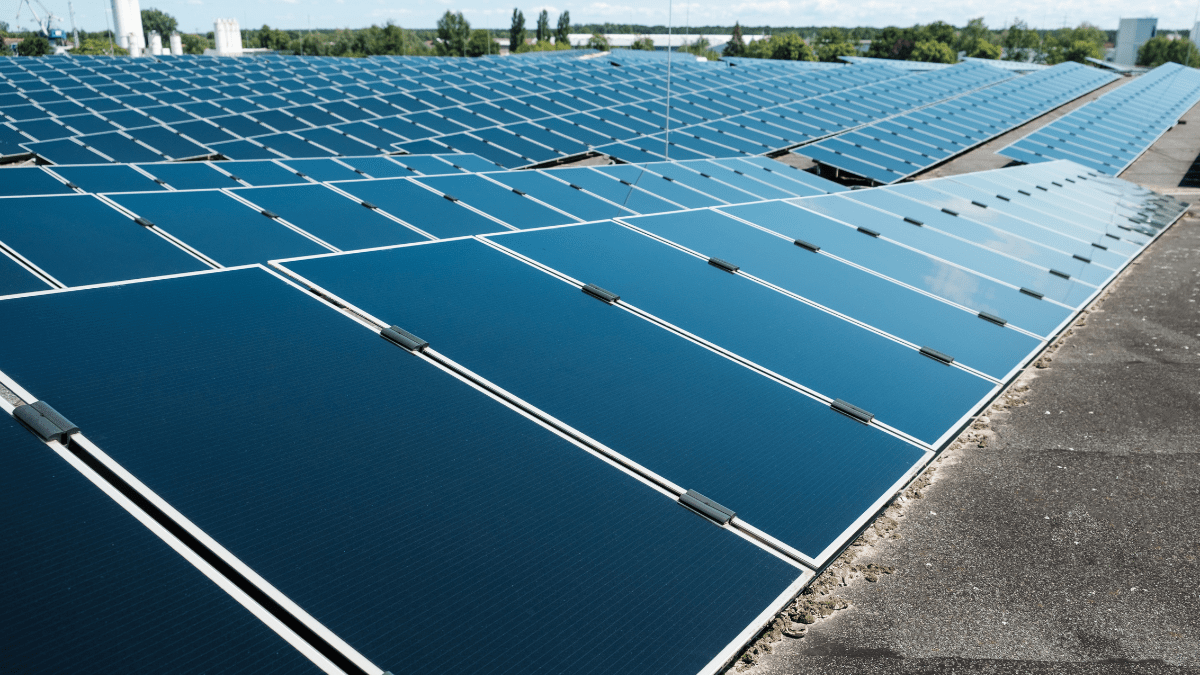
The project produces 1.25 million kWh annually, reducing carbon emissions by 220 tonnes and saving £300,000 to £400,000 in energy costs, while also enabling off-grid operation during peak solar generation.
Why it matters: Stop pitching 'sustainability' and start pitching the £400k annual hedge against grid volatility to your C&I prospects.
The Hidden Complexity of Stadium Rooftops
Most installers see a stadium and think 'big flat roof, easy money.' They couldn't be more wrong. Having consulted on large-scale C&I assets, I can tell you that Cardiff’s Principality Stadium is a structural and logistical beast. We’re talking about a venue with a retractable roof. You aren’t just bolting rails to a warehouse; you’re dealing with vibration, movement, and massive cable runs that require specialized DC-to-AC architecture to minimize voltage drop across such a sprawling site.
The 'Off-Grid' Reality Check
The headline-grabbing claim of 'off-grid operation during peak solar' is where the real engineering happens. To pull that off with a 1.25 million kWh annual yield, the Energy Management System (EMS) has to be surgical. In the UK, where grid constraints are becoming the #1 bottleneck for new connections, achieving this level of self-sufficiency—even if only during peak generation—suggests a highly sophisticated inverter configuration. If you're pitching to sports complexes or large leisure centers in Germany or the Netherlands, don't just sell panels—sell the mitigation of peak shaving charges.
Crunching the ROI Numbers
If you aren't using these specific savings figures in your C&I proposals, you're losing the room. Principality isn't doing this for the PR—they're doing it because paying £0.30/kWh to light up a pitch is financial suicide when you can generate it for a levelized cost of energy (LCOE) closer to £0.05/kWh on your own roof.