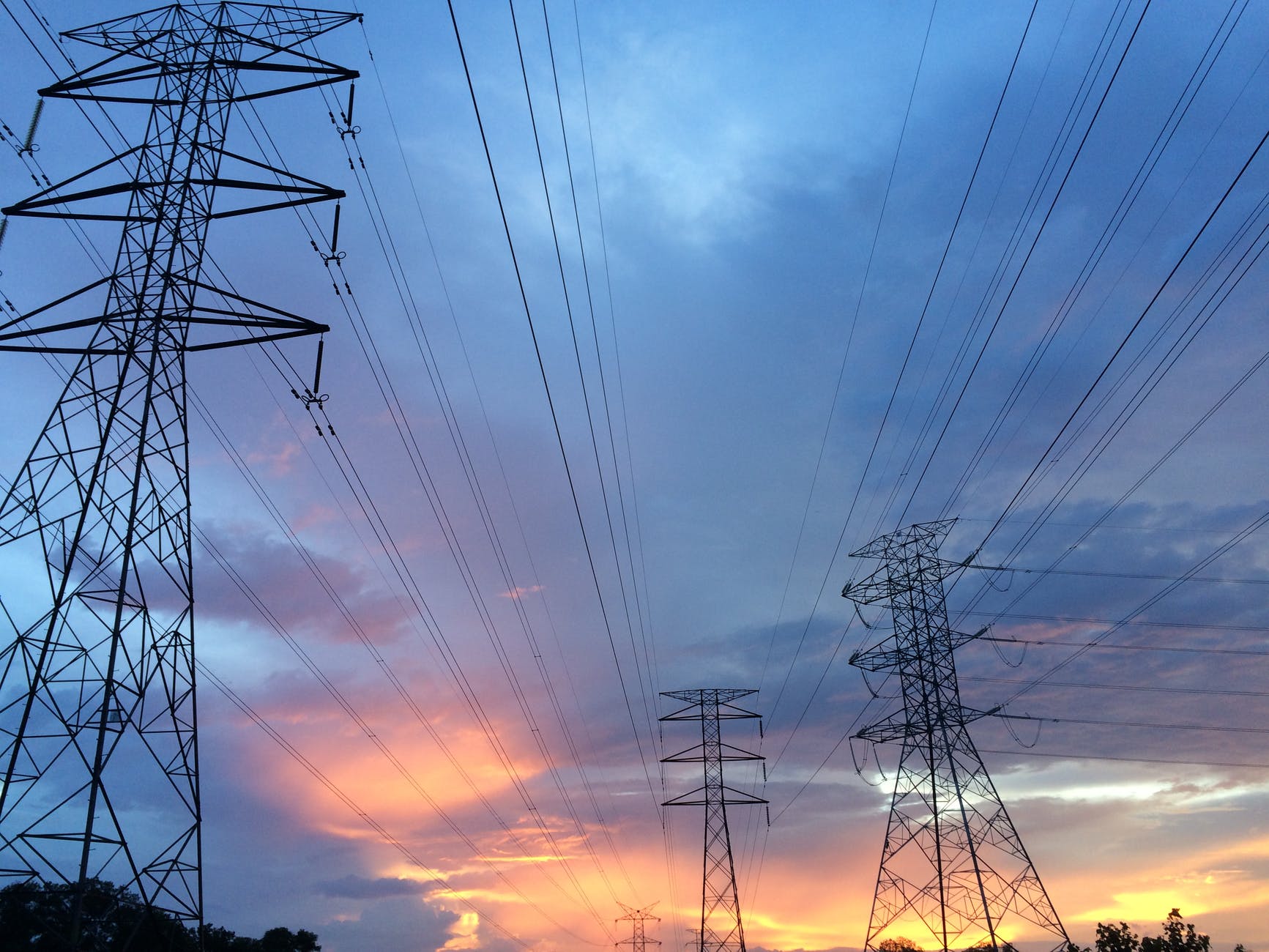
Substation completion times vary by voltage level, with greenfield projects set at 24 to 36 months. Complex HVDC projects may take 48 to 54 months, with extensions available for challenging regions.
Why it matters: India is proving that grid construction delays are a policy choice, not a technical necessity—use this to demand firmer connection deadlines from your TSO.
While European developers are busy navigating the labyrinthine permitting processes of TenneT in the Netherlands or Red Eléctrica in Spain, India’s Central Electricity Authority (CEA) just did something radical: they put a clock on the grid operators. By standardizing Inter-State Transmission System (ISTS) timelines to a 24-to-36-month window for greenfield substations, India is addressing the single biggest killer of renewable ROI—uncertainty.
The Predictability Premium
In the EU, we talk a lot about the REPowerEU goals and the 'Grid Action Plan,' but the reality on the ground is a mess of shifting goalposts. I’ve seen 50MW utility projects in Poland sit in limbo because the local grid reinforcement timeline was 'estimated' at six years, only to be revised to eight. When India—a market notorious for its bureaucratic hurdles—mandates a 36-month cap for high-voltage infrastructure, it creates a benchmark that European installers should use as a weapon in policy discussions.
A Lesson in Accountability
Why does this matter for a C&I installer in Germany or a developer in Portugal? Because the lack of standardized timelines is a hidden tax on your capital. When you can't tell a client exactly when their 400kV connection will be live, you can't accurately model internal rates of return (IRR). Standardization is the antidote to grid-lock. If the CEA can enforce a 48-month limit on complex HVDC projects across some of the world’s most difficult terrain, there is no technical excuse for the decade-long lead times we see for similar infrastructure in Western Europe.
The global race for solar dominance isn't just about who has the cheapest TOPCon modules anymore; it’s about who can plug them in the fastest. Right now, India is moving toward the fast lane while Europe remains stuck in a permitting roundabout.