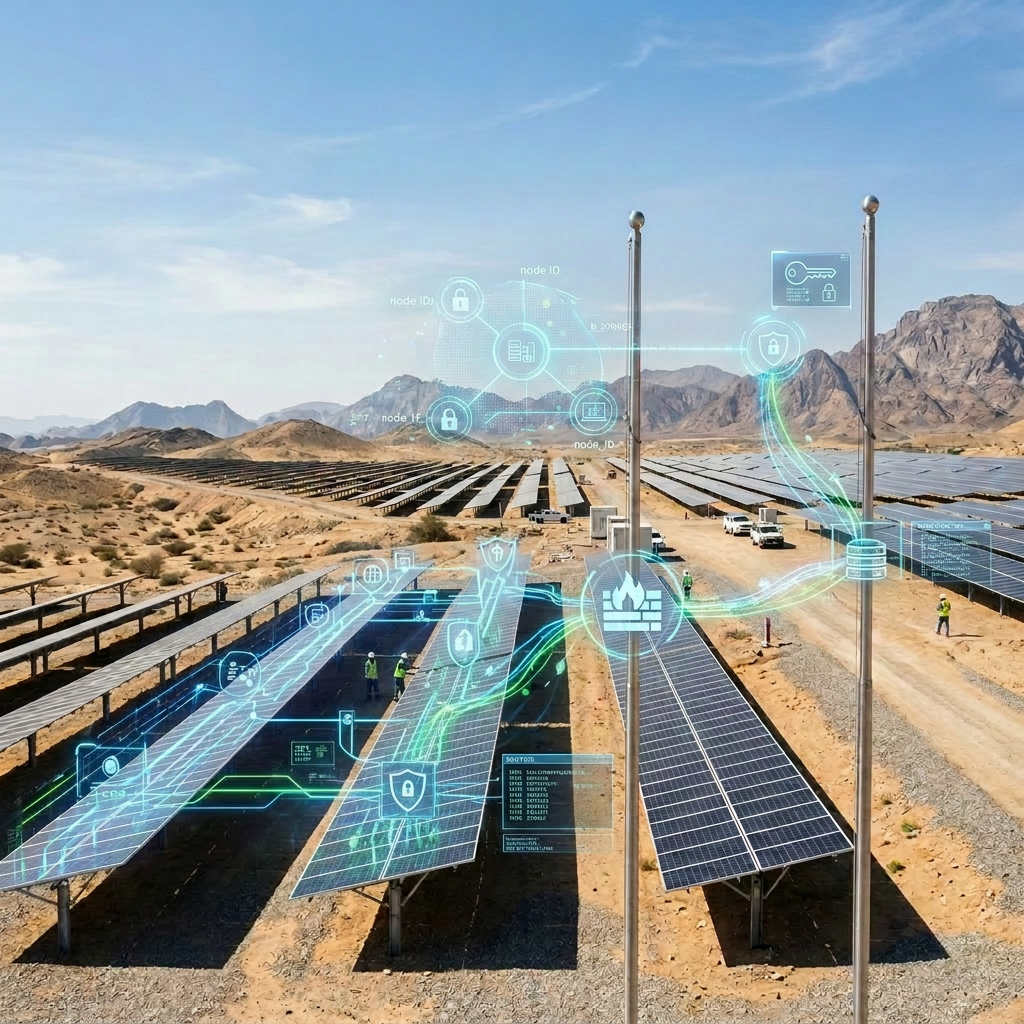
Key projects include a solar manufacturing facility by Orion Solar and a cybersecurity hub by XCyber. These initiatives aim to create jobs, enhance local expertise, and support Oman’s Vision 2040 goals for sustainable growth.
Why it matters: Oman is becoming China's primary 'neutral' manufacturing base to funnel hardware into the EU while bypassing trade barriers and data security concerns.
Don’t be fooled by the "Vision 2040" sustainability PR. This move by Orion Solar and XCyber isn't just about decarbonizing the desert; it is a calculated masterclass in geopolitical hedging. For the European installer or project developer, this news signals the next phase of the supply chain shell game.
The Tariff Backdoor
As the European Commission flirts with tighter regulations under the Net-Zero Industry Act (NZIA) and investigates Chinese subsidies, manufacturers like Orion Solar are reading the writing on the wall. By establishing a massive manufacturing footprint in Oman, they aren't just chasing cheap land. They are creating a "Made in Oman" label that could potentially bypass future EU anti-dumping duties or carbon border adjustments (CBAM) that specifically target Chinese mainland exports. We saw this exact pattern in Vietnam and Malaysia a decade ago; now the theater has shifted to the Middle East.
The Data Layer: Why XCyber Matters
The inclusion of XCyber is the real "field engineer" concern. We are moving away from simple PV towards integrated Virtual Power Plants (VPPs) and smart grids. Every inverter is now a data-logging IoT device. By controlling both the hardware (Orion) and the cybersecurity infrastructure (XCyber) in a strategic hub like Oman, Chinese firms are positioning themselves to dictate the digital standards of the energy transition. If you think the Huawei 5G ban was a headache, wait until your C&I clients start asking where their inverter data is being "secured" — Muscat or Shenzhen?
The Margin Reality Check