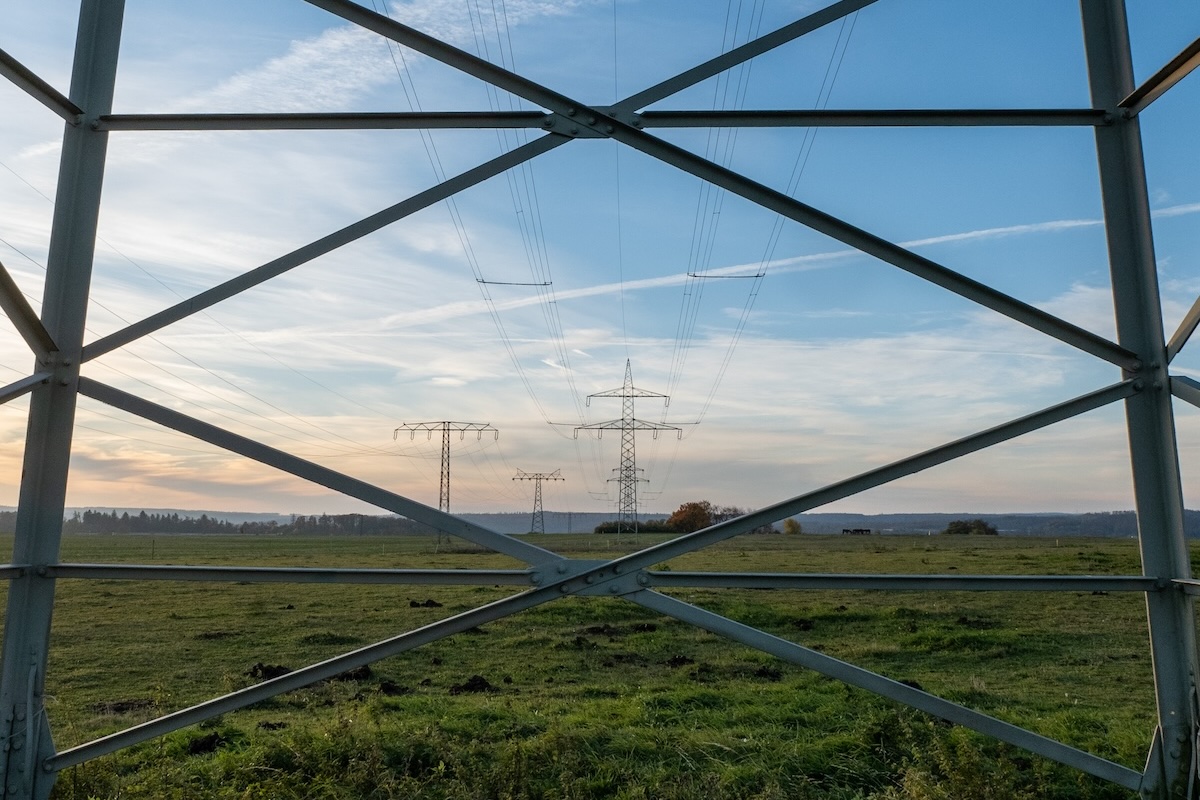
El borrador de escenarios del TYNDP 2026 para 2050 prevé un fuerte aumento del consumo eléctrico impulsado por la electrificación del transporte, la industria y la producción de hidrógeno.
Why it matters: The grid is officially too slow for the energy transition; if you aren't integrating BESS into every commercial bid now, you're building systems that the TSO will eventually throttle.
When ENTSO-E releases a draft for the Ten-Year Network Development Plan (TYNDP) 2026, most installers glaze over because 2050 feels like a lifetime away. That is a mistake. This 20% demand jump isn't just a number; it’s a confession that the current grid architecture is fundamentally broken for the volume of PV we are slapping on roofs today.
The Grid Bottleneck is Your New Sales Competitor
We’ve all seen it: a 100kW C&I lead in Andalusia or North Rhine-Westphalia goes cold because the TSO (Transmission System Operator) denies the injection permit or demands a transformer upgrade that kills the ROI. The TYNDP draft confirms that 'electrification'—the very thing feeding our order books—is outpacing copper in the ground. For a Spanish installer, this isn't about 2050; it's about the fact that curtailment is becoming a structural feature of the European market, not a bug.
The Revenue Stacking Pivot
If you are still selling 'solar-only' based on a simple LCOE calculation, you are selling a 2015 solution to a 2026 problem. The TYNDP scenarios make it clear: hydrogen is the play for the big utilities like Iberdrola or RWE, but for the mid-market developer, BESS (Battery Energy Storage Systems) is the only way to bypass grid limitations.
The signal is clear: the grid won't save your project's ROI. Only your ability to manage that 20% demand surge locally—via smart EMS and localized storage—will keep your margins from being crushed by network fees and injection limits.