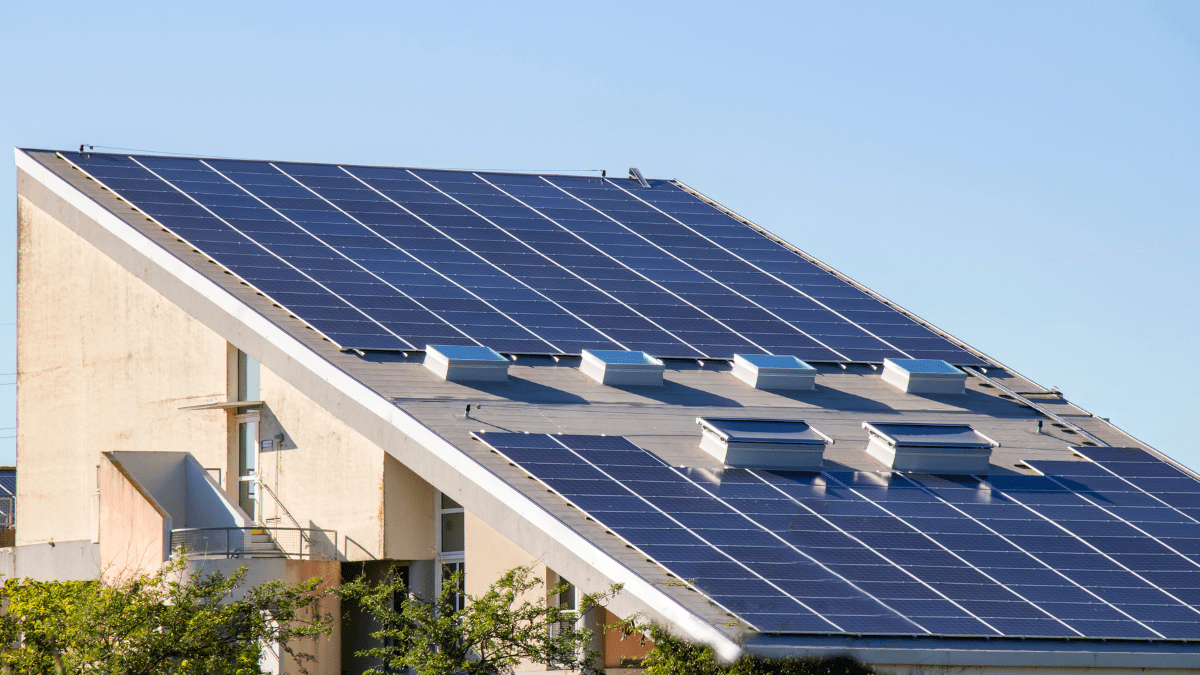
The Ministry of New and Renewable Energy (MNRE) has clarified the exemption process for solar PV cells in rooftop projects affected by delays. Developers can apply for exemptions if they installed modules before June 1, 2026, using specific documentation.
Why it matters: India's backtracking proves that domestic solar mandates fail without massive upstream capacity, a direct warning for EU firms eyeing NZIA-related projects.
On the surface, a technical clarification from New Delhi about ALMM (Approved List of Models and Manufacturers) List-II might seem like a local regulatory hiccup. It isn't. For any European developer watching the Net Zero Industry Act (NZIA) take shape in Brussels, this is a glaring market signal. India tried to hard-code a domestic cell requirement to shut out Chinese imports, and now they are frantically issuing "hall passes" because reality has hit the fan.
The Protectionist Paradox
India’s MNRE is discovering that you cannot legislate a supply chain into existence faster than a factory can ramp up TOPCon production. By allowing exemptions for projects delayed until mid-2026, the government is admitting that domestic cell capacity is nowhere near ready to support their 2030 targets. This is the exact trap the EU is walking into with "resilience criteria" in public tenders. When you mandate 40% local content—as the NZIA suggests—without the upstream wafer and ingot capacity to back it up, you don't get a local industry; you just get delayed projects and higher LCOE.
What This Means for the Port of Rotterdam
Every time India flinches on its ALMM enforcement, it releases pressure on the global supply of non-ALMM (read: Tier-1 Chinese) modules. If India’s rooftop segment—which is massive—gets a two-year exemption on cell sourcing, that keeps the global demand for Chinese cells high and prevents a massive fire sale of components that would otherwise be dumped in Europe. Adani and Reliance are racing to build integrated plants, but until those 50GW+ pipelines are truly online, India will remain a pressure valve for the same modules you’re installing in Germany or Spain.
The takeaway for European installers: Don't bank on "local content" subsidies or mandates being implemented smoothly. If India, with its much lower labor costs and aggressive industrial policy, has to push its cell mandate deadlines to 2026, expect the EU’s timeline to be twice as messy. Stick to diversified procurement and don't let a salesperson convince you that a "Made in EU" premium is protected by ironclad regulation yet.