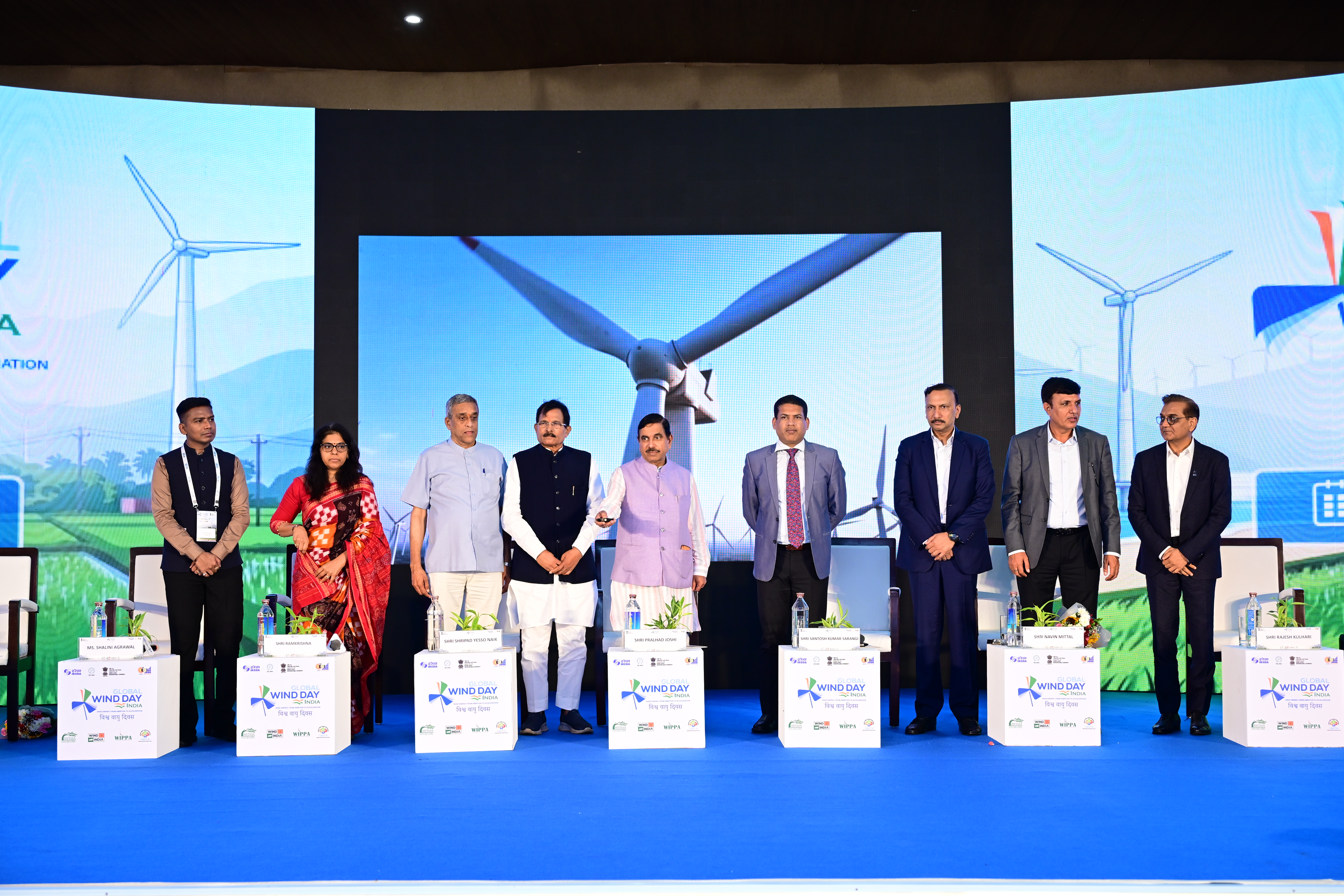
Shri Pralhad Joshi launched the Wind Turbine Supply Chain Management (WT-MARUT) Portal during the Global Wind Day Conference in Goa, aiming to enhance India's wind energy supply chain and domestic manufacturing.
Why it matters: Hybrid solar-wind projects are the only way to beat grid congestion in Europe; India’s manufacturing efficiency will dictate your future turbine costs.
Don’t let the dry title fool you: the launch of the WT-MARUT portal is a sophisticated move in the global chess game of "China Plus One" manufacturing. For European project developers and EPCs, India is no longer just a distant market; it is increasingly the workshop for the hardware that ends up on our grids. As the EU ramps up its Net-Zero Industry Act (NZIA)—which aims for 40% domestic manufacturing—the reality on the ground remains that we need diversified, low-cost import streams to meet 2030 targets.
The Hybridization Hedge
If you are a solar installer in the Netherlands or Germany, you are already hitting the wall of grid congestion. The solution is almost always a hybrid PPA: solar for the day, wind for the night, and BESS to smooth the gaps. By digitizing its wind supply chain to support a 155 GW target, India is positioning itself to be the primary alternative to Chinese OEMs. When Siemens Gamesa or Vestas source components from a more transparent, digitally-tracked Indian ecosystem, the bankability of your hybrid project increases. Transparency equals lower risk premia from lenders.
A Lesson in Industrial Policy
While Europe often gets bogged down in the bureaucracy of subsidy applications, India is focusing on the plumbing of the industry. A centralized portal for supply chain management is a direct attack on the logistical bottlenecks that have plagued wind turbine lead times, which often stretch beyond 18 months. If India successfully scales this model, expect a ripple effect: a more predictable flow of gearboxes and blades into the European market, putting much-needed downward pressure on the CapEx of hybrid C&I projects. We should be asking why a similar, unified digital interface doesn't exist for the fragmented European PV and wind manufacturing sectors.