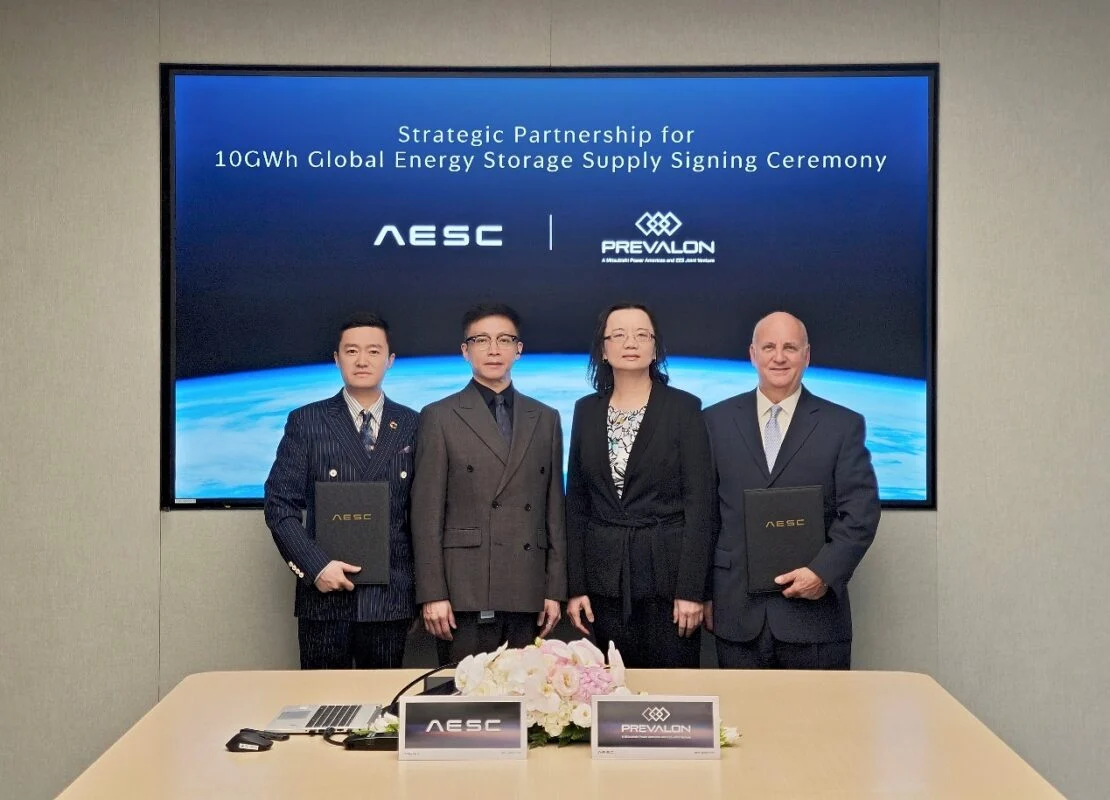
AESC has announced a strategic supply partnership with BESS system integrator Prevalon Energy.
Why it matters: The US is vacuuming up global battery capacity with massive subsidies, meaning EU installers will soon face higher prices and tighter supply for bankable BESS components.
While European developers are busy debating the nuances of the Net-Zero Industry Act (NZIA), the Americans are simply buying up the entire supply chain. This 10GWh deal between AESC and Prevalon isn't just a domestic US win; it’s a structural threat to the procurement strategies of every major BESS integrator from Berlin to Barcelona.
The IRA Vacuum is Real
Let’s look at the gravity of this: 10GWh represents roughly a quarter of the total BESS capacity Europe is expected to install in a single year. By locking this into 'domestic content' production, AESC is effectively removing high-tier, bankable LFP cell capacity from the global merchant market to chase the 10% Domestic Content Bonus under the US Inflation Reduction Act. For a developer in Spain or the UK, this means the 'tier 1' pool just got shallower and potentially more expensive.
The Margin Squeeze Strategy
The Reality Check: If you are planning a utility-scale project for 2026, you cannot rely on the spot market for LFP cells anymore. You are now competing for capacity against US developers who have a 30-40% tax credit cushion that you simply don't have. It’s time to stop flirting with multiple vendors and start looking at strategic, multi-year supply agreements with emerging Tier 1 players like Hithium or REPT Battero before they also pivot to the US.