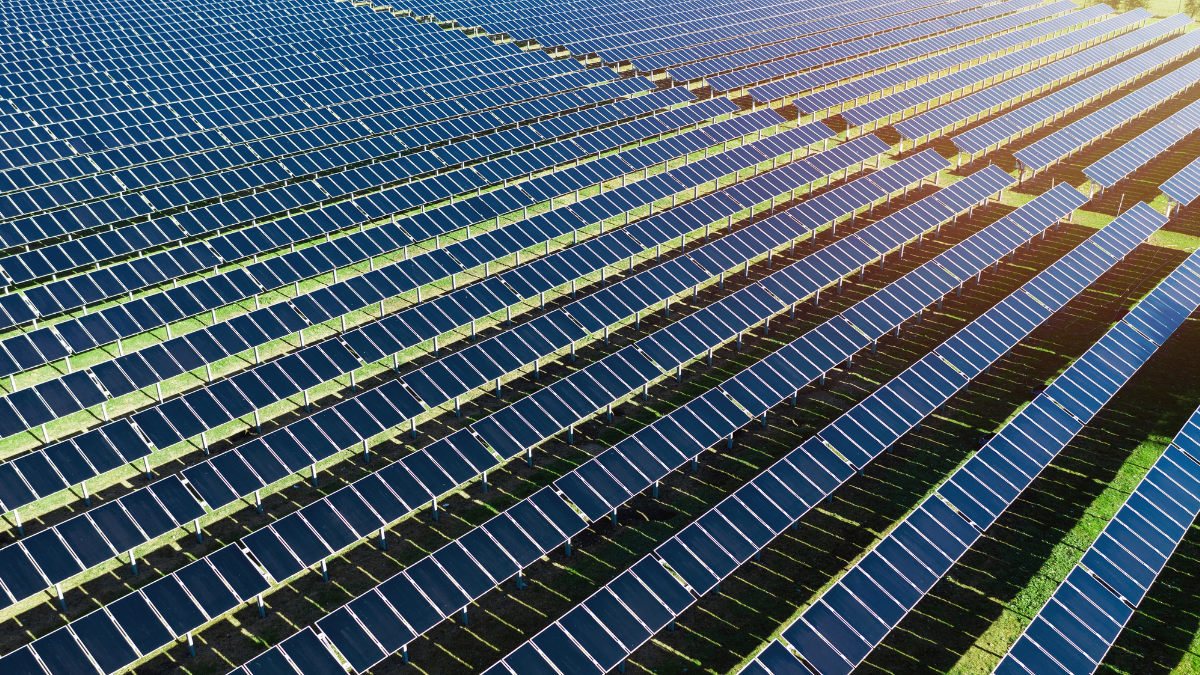
The Tocantins government in northern Brazil has initiated a solar energy program for public buildings to cut costs and enhance sustainability.
Why it matters: Massive public procurement in Brazil competes for the same Tier 1 module inventory you need for your European C&I projects.
The "Amazon Effect" on Your Component Pricing
At first glance, a public tender in the Brazilian state of Tocantins feels like local news for a local audience. But if you’re an EPC in Hamburg or Lisbon, you need to watch the Brazilian "Distributed Generation" (DG) market like a hawk. Brazil isn't a secondary market; it's a global vacuum that sucks up Tier 1 manufacturing capacity.
In 2023, Brazil imported nearly 17.5 GW of solar modules. When state governments like Tocantins pivot toward large-scale public solarization, they aren't just buying local. They are competing for the same Jinko or Trina production lines that supply your European projects. Every time a major South American jurisdiction locks in a massive procurement deal for public infrastructure, it tightens the global supply of 500W+ bifacial modules that are currently the bread and butter of EU C&I installs.
The Policy Mirror: Law 14.300
There’s a tactical lesson here, too. Brazil is navigating the aftermath of Law 14.300, which transitioned their net-metering scheme to a more restrictive model—much like the shifts we've seen in the Netherlands and parts of Eastern Europe. This Tocantins move is a classic hedge: when private residential ROI takes a hit due to policy changes, the government steps in to stabilize the local market via public works. For European installers, this is a signal that the 'Golden Age' of easy residential net metering is ending globally, and the future of business stability lies in public-sector contracts and PPA-driven commercial projects.
The takeaway? Don't get caught flat-footed by "sudden" component shortages next quarter. When Brazil starts solarizing its public sector, the ripples hit the port of Rotterdam faster than you think.