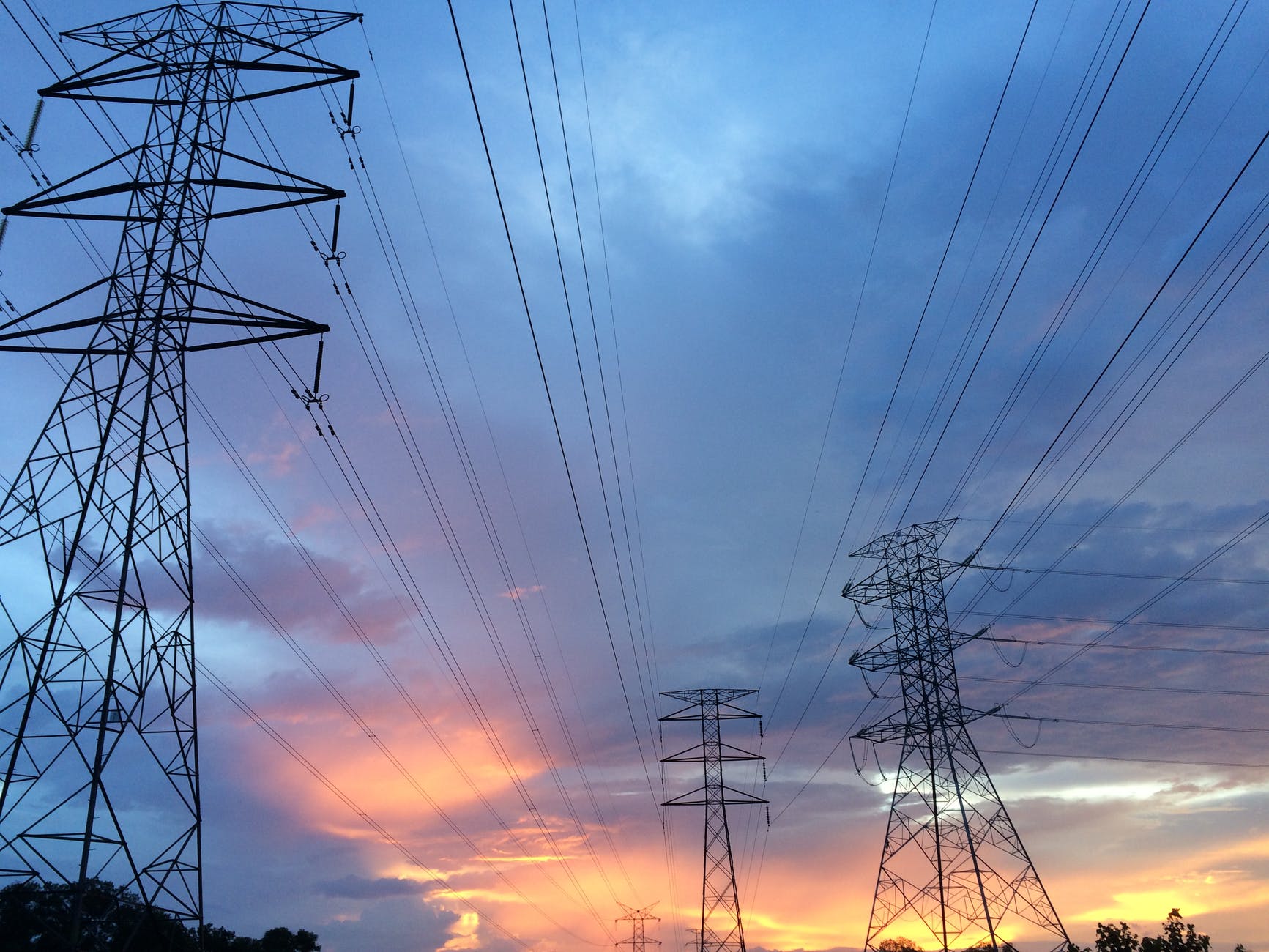
The project involves designing and constructing a 220 kV transmission line to enhance power infrastructure in Odisha, scheduled for completion in 24 months, strengthening RPSL's market position.
Why it matters: Grid connection costs are decoupling from reality; if you aren't accounting for the 5x price multiplier of undergrounding, your project IRR is a fantasy.
On the surface, a ₹211.68 crore (€23.5 million) underground cable contract in Odisha looks like a local utility story. It isn’t. For the European developer, this is a signal of the global normalization of undergrounding—a trend that is currently incinerating project margins from Brandenburg to Andalusia.
The Global Resource Drain
We are seeing a massive shift in how grids are built. Public opposition to overhead lines has made undergrounding the default, not the exception. Whether it’s TenneT in the Netherlands or Amprion in Germany, the demand for high-voltage (HV) underground expertise is skyrocketing. When firms like Rajesh Power Services lock up capacity for 220 kV projects in emerging markets, they are tightening a global supply chain for XLPE (cross-linked polyethylene) cables and specialized trenching equipment that EU projects desperately need.
The Invisible Cost Multiplier
If you’re a developer planning a 50MW+ site, you need to stop budgeting for overhead interconnection. Undergrounding 220 kV lines can cost 5 to 10 times more per kilometer than traditional pylons. In Germany, the SuedLink project’s move to undergrounding pushed costs north of €10 billion. This Indian contract proves that even price-sensitive markets are now willing to pay the premium for underground reliability and social acceptance. For you, this means your 'grid connection' line item in your CAPEX model is likely a lie.