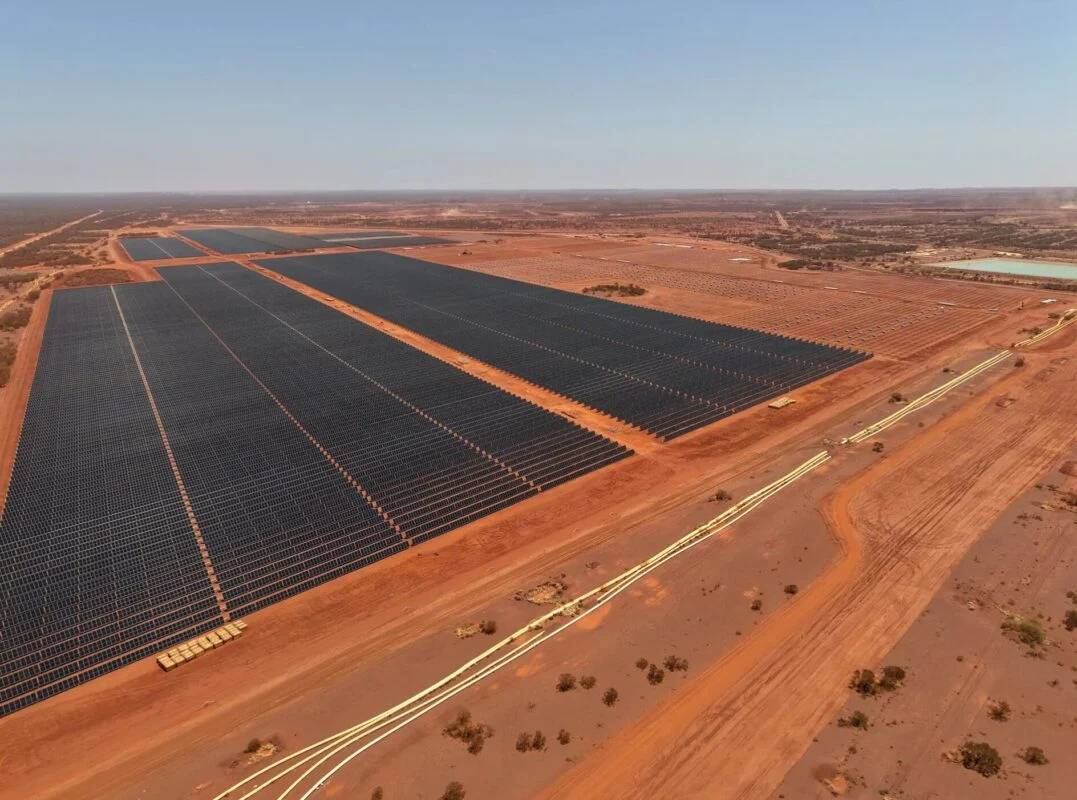
Australia's large-scale renewables pipeline has reached 32,277MW of probable generation capacity, according to the Clean Energy Regulator.
Why it matters: As Australia vacuums up global EPC capacity and Tier-1 hardware, expect utility-scale lead times in Europe to tighten and storage to become mandatory for project financing.
The Canary in the Coal Mine for Grid Saturation
While 32GW of 'probable' capacity sounds like a victory lap for the APAC region, European developers should view this as a stress test for their own future business models. Australia’s National Electricity Market (NEM) is effectively a laboratory for what happens when you hit massive solar penetration in a geographically isolated grid. For a project developer in Spain or Poland, the lesson isn't about the volume—it's about the inevitable cannibalization of margins.
We are seeing the same pattern repeat: massive build-outs leading to 'price ducking' where mid-day wholesale prices plummet to zero or go negative. Australia is countering this with the Capacity Investment Scheme (CIS), which provides revenue floors. In Europe, we are still largely playing around with outdated CfD (Contract for Difference) models that don't adequately account for the 24-hour energy shift required to keep a project solvent. If you aren't already pricing 4-hour BESS (Battery Energy Storage Systems) into your 2026 utility-scale pipeline, you're building stranded assets.
The Global Talent and Hardware Drain
Don't ignore the logistics. A 32GW pipeline in a market with only 26 million people is a vacuum for Tier-1 engineering talent and hardware. When Sterling & Wilson or Beon ramp up Down Under, they pull senior project managers and high-voltage specialists away from European sites. Furthermore, keep an eye on your SMA or Sungrow lead times. Large-scale central inverters don't grow on trees; a surge in Australian demand often correlates with a 'supply optimization' (read: delay) for smaller European portfolios.