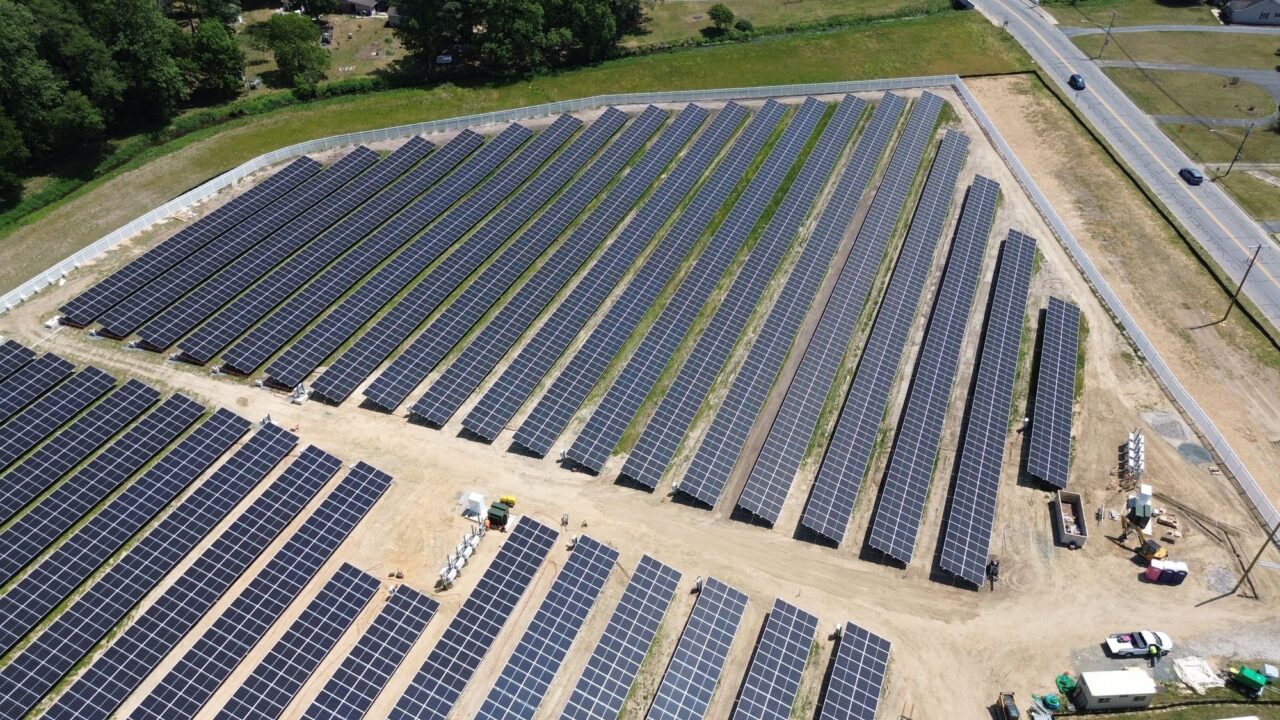
Distributed solar developers including MCEC, Aligned Climate Capital and Catalyst Power have secured funding across US projects.
Why it matters: Global capital is flowing toward US distributed solar due to IRA certainty, meaning your EU financing options will get tighter and more expensive as liquidity migrates West.
While you’re fighting for every basis point on a C&I project in Bavaria, the smart money is increasingly boarding flights to Dulles and BWI. This funding round for developers like Catalyst Power and Aligned Climate Capital isn't just a regional US success story—it’s a warning shot across the bow of European project developers. The American 'Distributed Solar' landscape, specifically in the PJM interconnection region (Maryland, Delaware), is currently offering a risk-reward profile that makes the EU look like a regulatory minefield.
The IRA Vacuum Effect
We need to stop pretending that capital is local. When the Inflation Reduction Act (IRA) baked in 30-40% Investment Tax Credits (ITC) for distributed assets, it fundamentally broke the global competition for private equity. If you are an institutional investor looking at a 500kW rooftop in the Netherlands versus one in Maryland, the US project wins on sheer math. The US developer gets half their CAPEX back in tax equity almost immediately, while the European installer is still waiting for a grid connection permit from a distracted DSO.
The SREC Arbitrage
The secret sauce in these Delaware and Maryland projects is the SREC (Solar Renewable Energy Certificate) market. Unlike the EU’s often-anemic Guarantees of Origin (GoOs), which trade for pennies, Maryland SRECs provide a predictable, high-value revenue stream that banks actually value. For a developer in Spain or Italy, trying to sell a project based on volatile PPA prices, this funding news should be a signal to demand better market instruments from Brussels. We are losing the battle for 'dry powder' to states that simply understand project finance better than we do.
Practical Reality for EU Firms
If you're an EPC or developer in the EU, don't ignore this. Watch the liquidity of your usual lenders. If your Tier-1 bank suddenly tightens the screws on your next 2MW portfolio, it’s likely because their project finance desk just allocated that capital to a 'safer' 10% IRR play in Connecticut. To compete, EU installers must lean into operational efficiency—if we can't beat them on subsidies, we have to beat them on the cost of installation per watt, which currently sits around €0.80-€1.10 for EU C&I compared to significantly higher labor costs in the US North East.