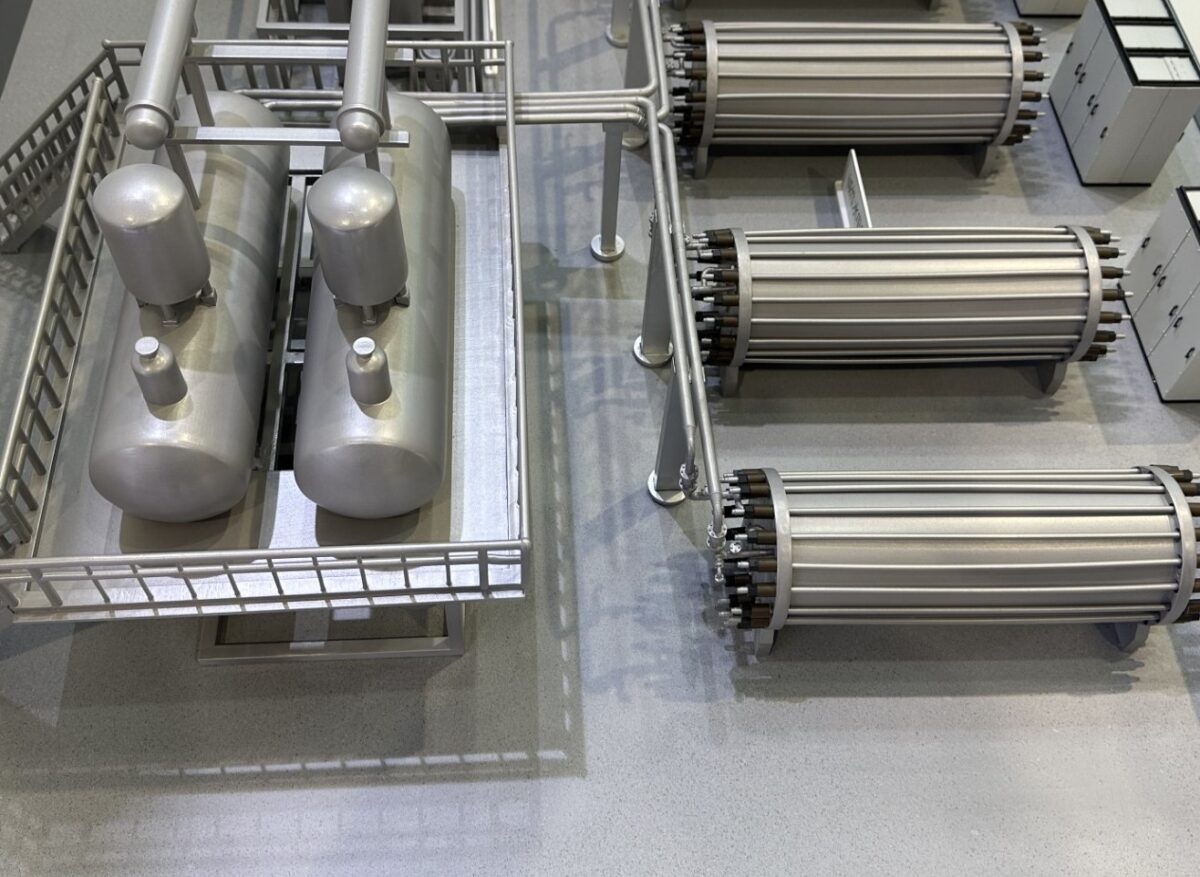
La planta, promovida por Ansasol, estaría dimensionada para producir hasta 445 kilogramos de hidrógeno por hora.
Why it matters: The 'solar-only' business model is dead for large-scale Spanish projects; if you aren't integrating BESS or H2, you're building a project that will be curtailed into insolvency.
Look closely at the math in Pobladura del Valle, because it represents the end of the 'solar-only' era in Iberia. Ansasol isn't just building a 33 MW solar farm; they are anchoring it with 112 MWh of battery storage (BESS) and a 25 MW electrolyzer. That’s a storage-to-generation ratio of nearly 3.4-to-1. In a market like Spain, where cannibalization and 'zero-euro hours' are no longer a theoretical threat but a daily reality, this is the only way to protect an Internal Rate of Return (IRR).
The Death of the Simple PPA
For years, developers lived comfortably on simple Power Purchase Agreements. Those days are dying. When the sun shines in Zamora, every other plant is also dumping power into the grid. By integrating 445 kg/hr of hydrogen production, Ansasol creates its own captive demand. They aren't just selling electrons to the grid at the mercy of the pool price; they are converting those electrons into a high-value molecule. If you are still pitching 20MW+ projects in Southern Europe without a serious storage or H2 component, you are essentially selling a stranded asset.
We saw this same pattern in the early days of German onshore wind—those who didn't adapt to curtailment risks got slaughtered. Ansasol’s move to secure a favorable Declaración de Impacto Ambiental (DIA) for another 80 MW of electrolysis nearby suggests they aren't just experimenting; they are cornering the local green hydrogen market before the big utilities even get their boots muddy.