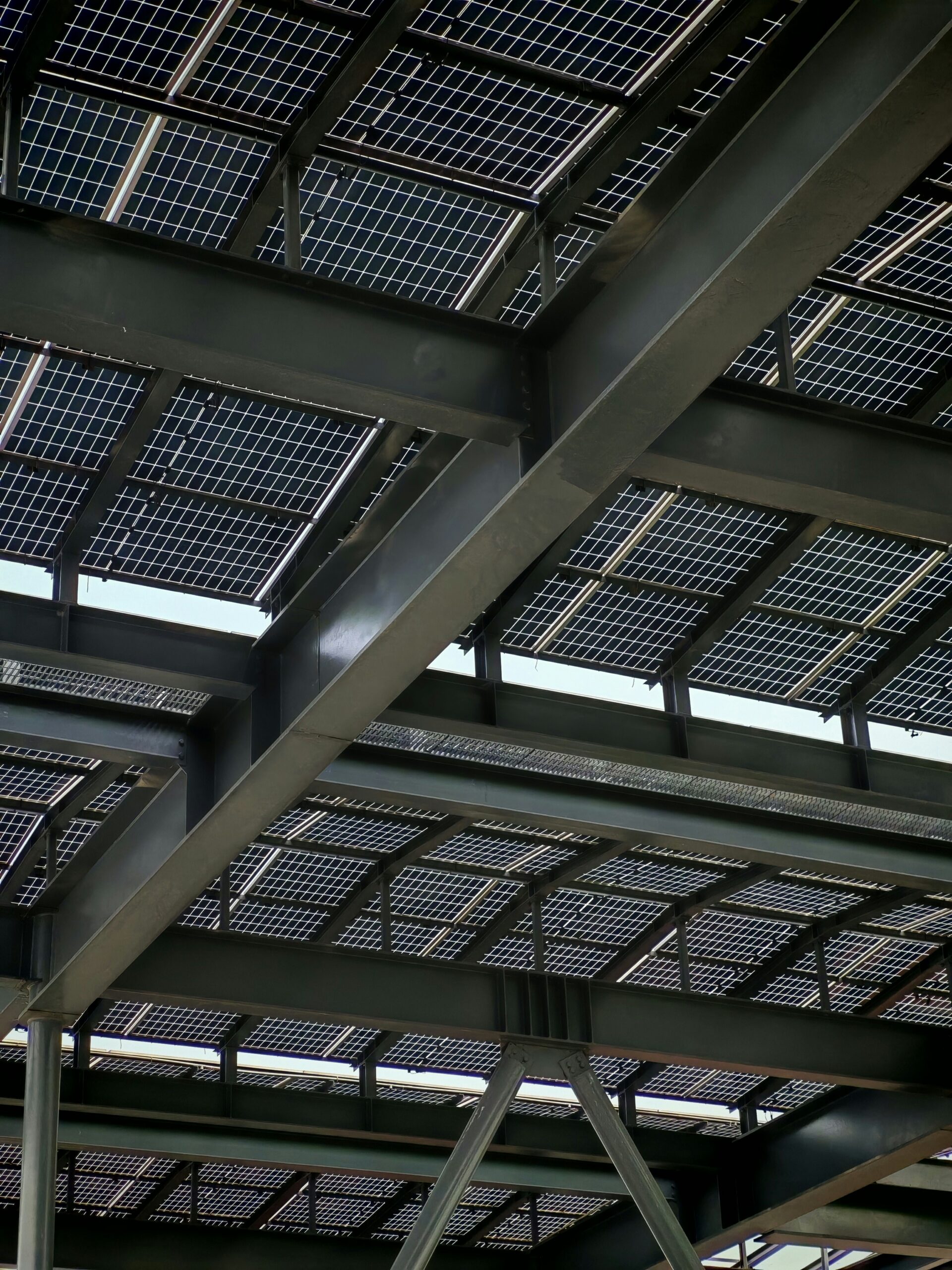
El contrato dispone de un presupuesto total de 157.079 euros y la presentación de ofertas permanecerá abierta hasta el 29 de junio. La potencia de los cargadores es de 50 kW y la de la marquesina fotovoltaica de 20 kW.
Why it matters: Remote island tenders offer massive margins but require specialized C5-M hardware and a bulletproof local supply chain to avoid a logistical bankruptcy.
On the surface, a €157,000 tender for a 20kWp solar canopy and a 50kW charger in Alajeró looks like a dream for a small Spanish installer. That’s roughly €7,850 per installed kilowatt. Even when you subtract the cost of a DC fast charger and the steel structure, the margins appear fat enough to make a Tier 1 developer blush. But don't start booking your ferry from Tenerife just yet; this project is a masterclass in the "Island Premium" and the technical disconnect of municipal planning.
The Physics of Greenwashing
Let’s look at the math. A 20kWp array in the Canaries will produce, at best, about 100-120kWh on a perfect day. A single 50kW charger can pull that entire daily yield in just two hours of operation. Without a battery BESS (which isn't mentioned in the budget), this isn't a "solar-powered charger"—it’s a grid-tied charger with a very expensive hat. For installers, this means your O&M contract better be ironclad, because when the grid fluctuates—and Endesa’s island microgrids do fluctuate—the charger is the first thing to trip, and the client will blame your PV inverters.
The Salt Spray Tax
If you’re bidding on this from mainland Spain or even Las Palmas, you need to account for the Alajeró environment. You aren't just installing solar; you're installing a sacrificial anode. Any mounting system that isn't C5-M rated (ISO 12944) for high salinity will be a pile of rust within three years. I’ve seen projects in the Azores and the Canaries fail because someone tried to save €2,000 by using standard anodized aluminum without additional protection. In Alajeró, the Atlantic is your worst enemy.
The Logistics Pitfall
Finally, the budget reflects the logistical nightmare of La Gomera. You aren't just paying for modules; you're paying for the specialized crane that has to be barged over and the three-week delay when the sea state prevents docking. This tender is a signal that remote EU territories are desperate for EV infrastructure, but they are pricing in the 'pain' of the location. If you have a local team, it’s a goldmine. If you’re outsourcing labor, the travel expenses alone will eat your 30% margin before the first bolt is tightened.