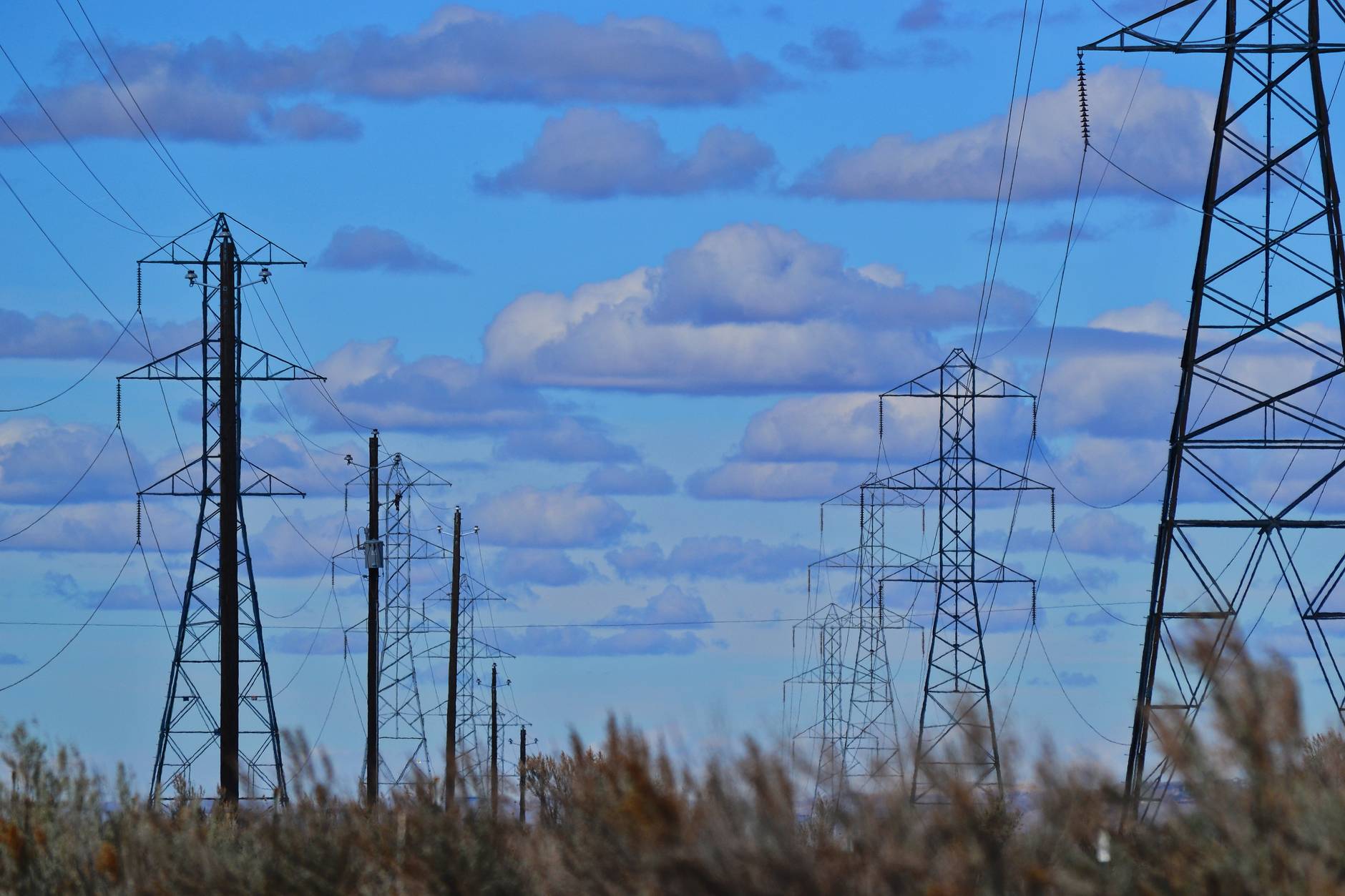
Businesses in the Philippines and Indonesia are accelerating electrification but face inadequate government infrastructure.
Why it matters: SE Asia’s grid failures are a goldmine for EU firms specializing in microgrid stability and C&I storage—get in now or watch Chinese integrators own the space.
If you think grid congestion in the Netherlands or the 'Zilaustausch' bottlenecks in Germany are a headache, try running a manufacturing plant in Cebu or Jakarta. This isn't just a story about emerging markets; it’s a market signal for European systems integrators who have mastered the art of islanding and grid-forming technology.
The Export of Energy Independence
While many European installers are currently cannibalizing their own margins in a race-to-the-bottom on residential rooftop prices, firms like ACEN in the Philippines or Pertamina in Indonesia are signaling a massive corporate appetite for energy autonomy. They can't wait for state-led utilities to build out the high-voltage lines required for 2035 targets. For a sophisticated European developer, the play here isn't just shipping pallets of Tier 1 modules—it’s exporting the 'Microgrid-in-a-box' expertise.
We saw this exact pattern in South Africa during the peak of Eskom’s load-shedding crisis. The Philippines and Indonesia are hitting that same tipping point now. If your 2025 strategy doesn't include a consultancy arm for off-grid C&I in these regions, you're ignoring a high-margin escape hatch from the saturated European market.