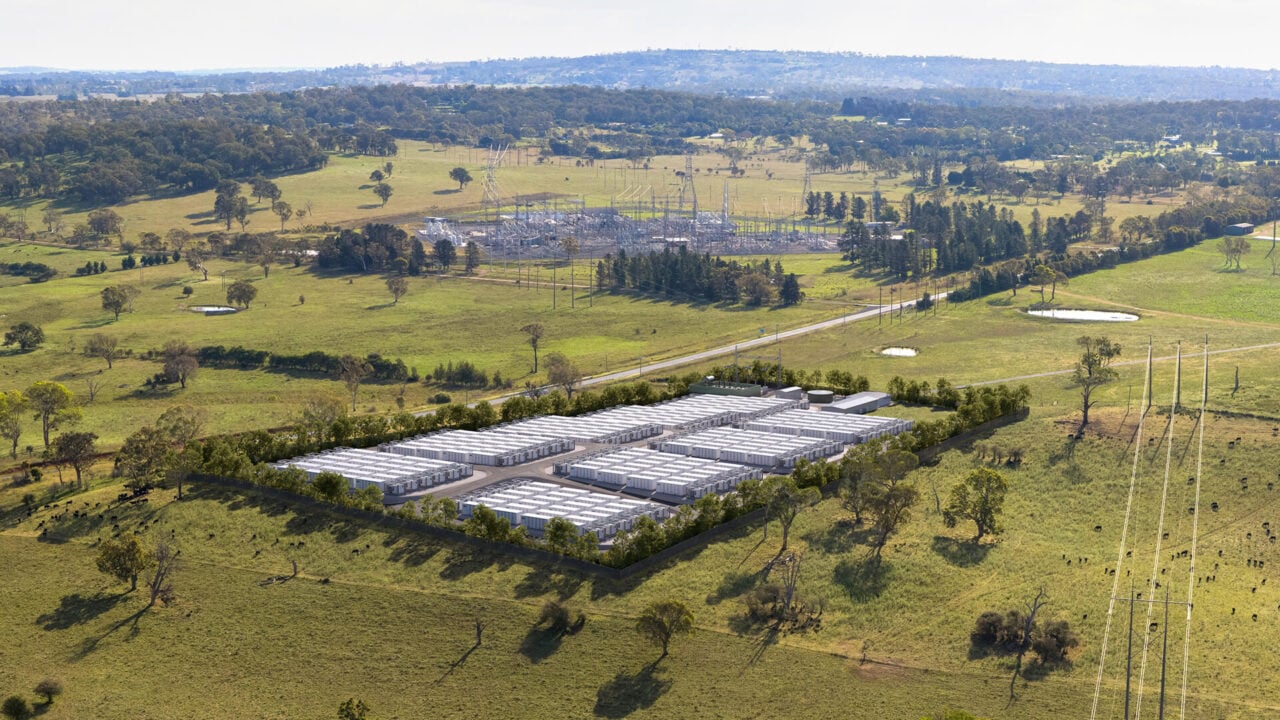
Energy storage developer Eku Energy has submitted two BESS, each sized at 300MW and 1,200MWh, for assessment under Australia's EPBC Act.
Why it matters: The shift to 4-hour duration is the new global benchmark; if your current BESS pipeline is still focused on 1-hour duration, you are building an asset that will be obsolete before it's commissioned.
Eku Energy's push for massive 1,200MWh blocks in Australia isn't just another "big battery" headline—it’s the death knell for the 1-hour duration business model. For developers in the UK, Italy, or Germany currently eyeing 1C or 2C systems for FCR (Frequency Containment Reserve) or quick arbitrage, this is your crystal ball. Australia is essentially a high-speed simulation of where the European grid is headed: deep solar penetration followed by a desperate need for energy shifting, not just frequency stability.
The 4-Hour Pivot is No Longer Optional
In Europe, we’re still seeing far too many project designs optimized for 2022’s market conditions. If you’re building a 100MW/100MWh system in 2024, you’re bringing a knife to a gunfight. These Eku Energy projects are 4-hour duration. Why? Because as solar cannibalization worsens—look at the negative pricing streaks in Spain and Germany this summer—the value of storage moves from power (MW) to energy (MWh).
If you are a developer, stop sizing your BESS for today's ancillary services. Start sizing for a world where the "duck curve" is four hours deep. If your EPC isn't already pricing 4-hour configurations, your project will be merchant-dead on arrival by 2027.