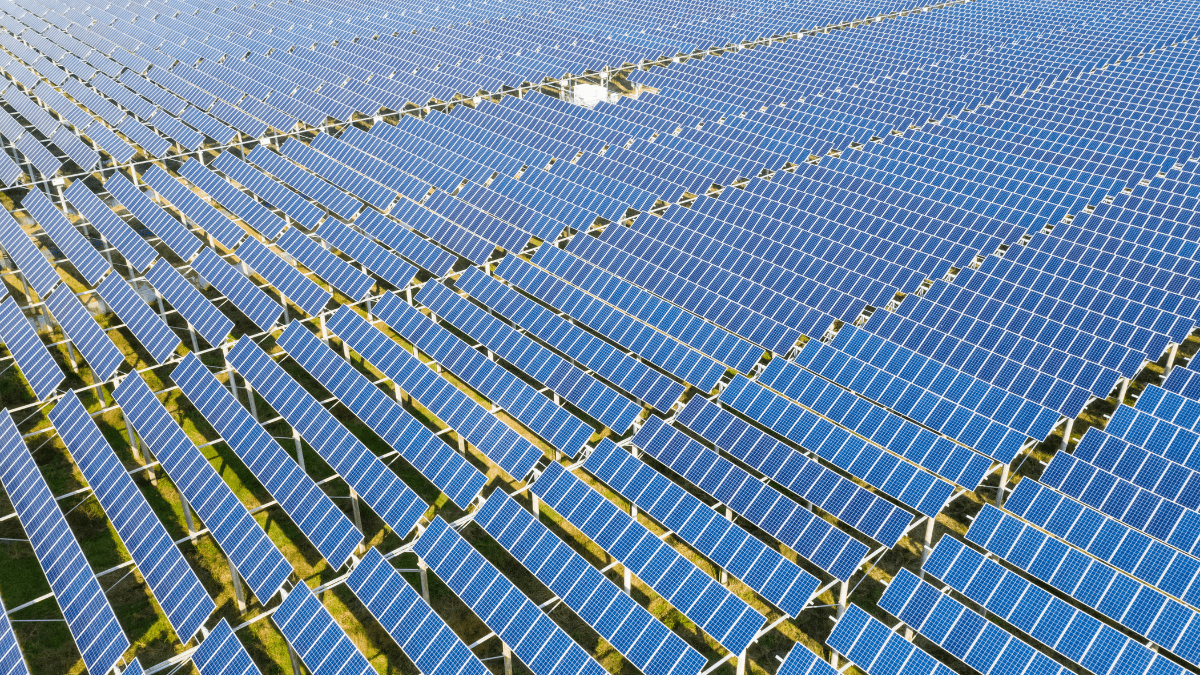
The projects feature long-term Power Purchase Agreements and domestically manufactured solar modules, emphasizing supply chain reliability and execution capabilities.
Why it matters: US 'domestic content' bonuses are siphoning capital and supply away from European projects—check your long-term module allocations now.
The Vertical Integration of Policy and Hardware
While European developers are still haggling over whether the Net-Zero Industry Act (NZIA) will actually put money in their pockets, Hanwha and Morrison are showing exactly how the game is won when policy aligns with the balance sheet. This 357 MW acquisition isn't just a capacity bump; it’s a demonstration of the 'closed-loop' financing model that is currently sucking capital away from European projects.
The Atlas V and VI projects in Arizona aren't special because of the desert sun—they’re special because they utilize domestically manufactured modules. For a European installer, this is the siren song of the US market. Under the Inflation Reduction Act (IRA), that domestic content tick-box can unlock a 10% investment tax credit (ITC) bonus. Compare that to the fragmented subsidy landscape in the EU, where 'Buy European' often feels more like a moral plea than a financial multiplier.
The European Reality Check:This deal underscores a brutal truth: in the current high-interest-rate environment, the margin of error for project developers is razor-thin. The 'reliability and execution' mentioned in the deal isn't just about putting panels in the ground—it’s about having a supply chain that isn't at risk of being seized at a port or taxed out of existence by a sudden trade tariff. If Europe doesn't match this level of industrial integration, we will continue to watch our best asset managers build the US grid instead of our own.