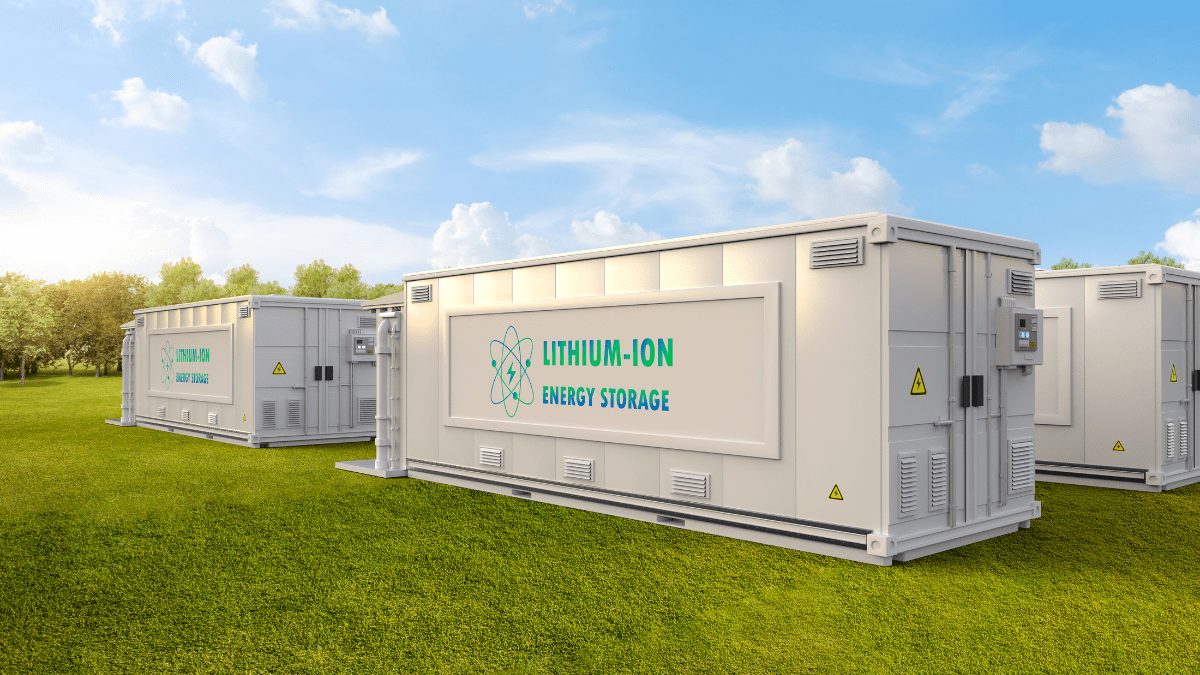
The Uttar Pradesh Electricity Regulatory Commission approved a joint proposal by UPPCL and MPPMCL for a 15-year Battery Energy Storage System project, enabling procurement of 1130 MWh.
Why it matters: Massive Indian BESS tenders set the global price floor for LFP; if you aren't tracking Asian utility-scale volume, you'll misprice your next major storage bid.
Don't dismiss this as a distant emerging market story. A 1.1 GWh procurement is a gravitational event for the global Lithium Iron Phosphate (LFP) supply chain. When Indian state utilities move this much volume under a 15-year PPA, they aren't just buying batteries; they are helping set the global floor for cell pricing for the next 24 months.
The VGF Weapon
The real catalyst here is the Viability Gap Funding (VGF) scheme. The Indian government is de-risking these massive projects by covering a significant chunk of the capital expenditure. While European developers often have to navigate a fragmented landscape of fluctuating merchant revenues and grid fees, India is using state muscle to build massive "virtual dams." This 1130 MWh project validates the 4-hour storage duration as the new utility-scale standard—a benchmark that TenneT and RTE in Europe are still catching up to in terms of standardized procurement.
The Supply Chain Squeeze
For a project developer in the Netherlands or a C&I installer in Germany, this news signals two things:
If you're still pitching solar-only to commercial clients, you're missing the shift. Grid congestion is a global epidemic; India is simply ahead of the curve in using state-backed financial instruments to solve it. We should be looking at the €85-95/MWh levelized cost targets in these tenders as the benchmark for our own storage business cases.