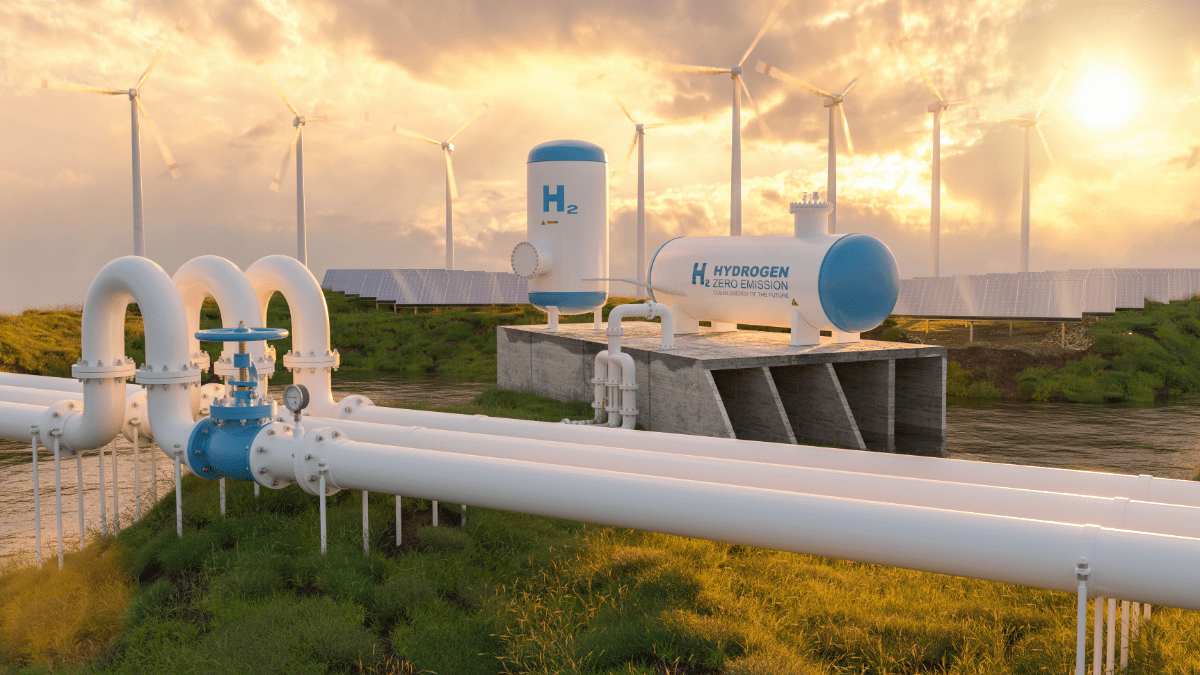
The International Energy Agency's report emphasizes the impact of Middle Eastern disruptions on global hydrogen markets, particularly in fertilisers and refined products.
Why it matters: Geopolitical risk in the Middle East makes expensive domestic green hydrogen more bankable than 'cheap' imports—pivot your C&I pitches to energy security.
For years, the European hydrogen strategy has leaned heavily on a dangerous assumption: that we can simply replace Russian gas with North African and Middle Eastern sunshine. The IEA’s latest warning on supply chain disruptions is the cold shower the industry needed. If you’re a developer in Spain, Greece, or Southern Italy, this isn't just a geopolitical headline—it is your new best sales pitch for domestic energy sovereignty.
The Sovereignty Premium
The REPowerEU target of 10 million tonnes of domestic hydrogen production versus 10 million tonnes of imports always felt lopsided. With the Red Sea becoming a tactical bottleneck and fertilizer prices tethered to regional stability, the "landed cost" of cheap MENA hydrogen just spiked. When you factor in the insurance premiums and the risk of stranded assets, the €4.50/kg ceiling set in the first EU Hydrogen Bank auction looks increasingly like a bargain for locally produced molecules.
The takeaway is clear: The "hydrogen from the desert" dream is getting expensive. Every time a tanker is diverted or a pipeline project in the Gulf is delayed, the ROI on a 100MW solar farm in Brandenburg or Extremadura gets shorter. The smart money in Europe is no longer waiting for the global hydrogen market to mature; it’s building the local one today.