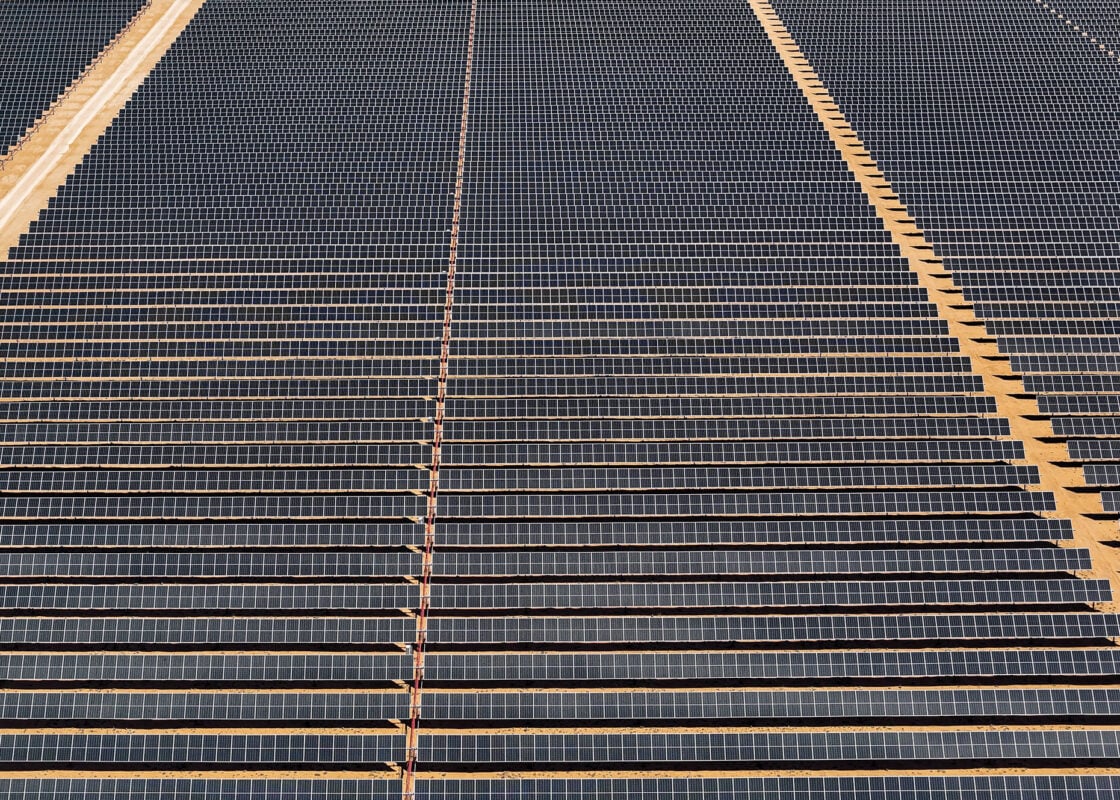
Origis has secured a US$900 million package, which consists of US$650 million in credit facilities and a US$250 million LoC facility.
Why it matters: Global banks are favoring massive U.S. pipelines over fragmented European projects, making your next round of project financing more expensive and harder to secure.
While $900 million sounds like a lottery win, in the world of utility-scale solar, it’s just the cost of admission. This isn't just about one developer getting a payday; it's a loud signal about where global liquidity is flowing. When Tier 1 banks like Santander, MUFG, and Rabobank back a 5GW pipeline in the U.S., they are effectively voting against the fragmented, slow-permitting environment we are currently navigating in Europe.
The Liquidity Drain
Don't be fooled into thinking this is just a 'U.S. story.' Capital is a global commodity. When a single developer like Origis locks up nearly a billion dollars in credit and Letters of Credit (LoC), that is capital that isn't being deployed into Spanish BESS projects or German agri-PV clusters. For a developer in the EU, the Letter of Credit (LoC) is often the silent killer—it's what you need to satisfy grid interconnection deposits and PPA security. If the big players are hogging the LoC capacity of the world’s major lenders, the mid-sized European IPP is going to find the terms of their next facility significantly tighter.
The Scale-or-Fail Trap
We’ve seen this pattern before. Large-scale financing at this level allows Origis to bypass the 'project-by-project' grind that exhausts smaller firms. They can buy modules in 500MW blocks, likely securing pricing 15-20% lower than a regional installer in Italy or Poland. The math is brutal: if you’re building a 20MW project with a 6% cost of capital while Origis is building 5GW with institutional-grade credit facilities, your LCOE is dead on arrival.
A Warning for the EU Pipeline
The real takeaway here is the sheer size of the 5GW pipeline. To put that in perspective, that’s roughly 10% of the total solar capacity Germany added in its record-breaking 2023. If European policy—specifically the Net-Zero Industry Act—doesn't streamline the path to these massive 'revolving' credit facilities, we will see a mass exodus of talent and equipment toward the U.S. markets where the money is easy and the scale is guaranteed.