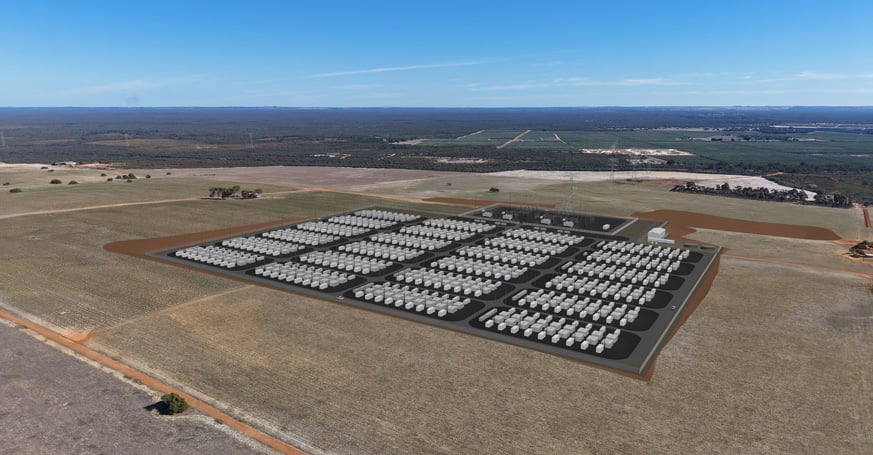
Developer BLT Energy has received development approval for the 800MW/4,800MWh Red Gully BESS in Western Australia.
Why it matters: The 2-hour BESS is becoming a stranded asset; if your project designs aren't eyeing 4-6 hour durations, you're building for a market that won't exist in three years.
Don't look at this 4.8GWh approval as an isolated Australian curiosity. This is the blueprint for the next phase of the European energy transition. While many installers in Germany or the Benelux region are still patting themselves on the back for commissioning 2-hour systems, the global market is moving toward deep storage. A 1:6 power-to-energy ratio like we see at Red Gully isn't just an outlier; it's a survival strategy for markets where solar penetration has obliterated midday pricing.
The Arbitrage Trap
We've seen this pattern before. Early BESS adopters in the UK focused on Frequency Response, where 1-hour duration was plenty. But as those markets saturated, the money moved to merchant arbitrage. If you are a developer in Spain or Italy today, a 2-hour battery is a stranded asset waiting to happen. You cannot bridge the gap between a 12:00 PM solar glut and a 9:00 PM peak demand window with 120 minutes of juice. You need 4 to 6 hours to actually capture the spread.
Technical Shift for Installers
For those of us on the ground, this means a fundamental shift in how we spec hardware. We are moving away from power-dense racks to energy-dense blocks. Whether you're looking at Tesla Megapacks or CATL’s EnerX, the conversation is no longer about MW; it's about MWh and cycle life under deep discharge. If you're pitching a C&I project in 2024 with a 1C discharge rate, you're doing your client a disservice. The smart money is moving toward 0.25C or 0.16C configurations.