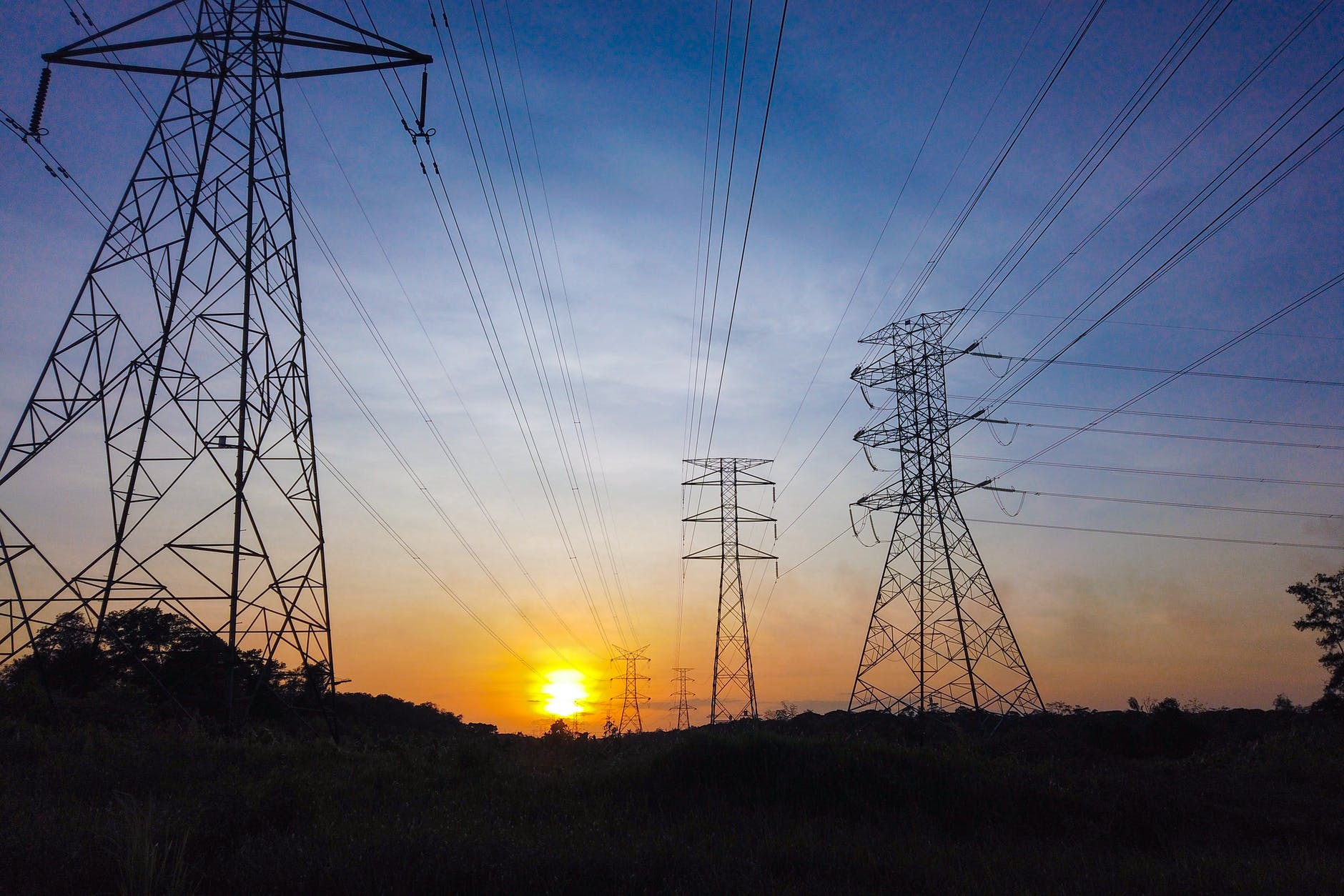
The milestone, alongside new long-term electricity agreements providing 4.8 terawatt-hours, emphasizes the importance of stable power for sustaining production and supporting future growth in the competitive aluminium sector.
Why it matters: Industrial giants are front-running the green energy supply; if you aren't pitching energy independence to your C&I clients now, you're leaving them exposed to a shrinking pool of affordable renewables.
When Statkraft and Alcoa ink a deal for 4.8 Terawatt-hours (TWh), most solar installers look the other way because it’s "heavy industry business." That is a massive mistake. This isn't just about smelting aluminum in Norway; it’s a masterclass in how the biggest players are structuralizing the energy market to their advantage, leaving smaller C&I (Commercial & Industrial) players to fight for the scraps.
The PPA Squeeze Is Real
We are entering an era of energy cannibalization. While many European solar developers are struggling with negative prices during summer peaks in markets like Germany and the Netherlands, industrial giants like Alcoa are bypassing the spot market entirely. By locking in 4.8 TWh with Statkraft, they aren't just buying power; they are buying a hedge against the very volatility that makes your solar proposals look attractive. If the biggest consumers lock up the cheapest baseload-adjacent green power (hydro and wind), the cost of Guarantees of Origin (GoOs) for everyone else goes up.
The "Baseload" Mirage
I’ve seen this pattern before. Every time a major utility like Statkraft secures a long-term offtake with a tier-one industrial, it reduces the liquidity of green energy available for the "middle market." For a solar professional in the EU, this means:
The Money Angle
If you’re pitching a project in 2024 without a BESS (Battery Energy Storage System) or a sophisticated PPA structure, you’re bringing a knife to a gunfight. Statkraft isn't just selling electrons; they’re selling certainty. Your job is to provide that same certainty to the mid-sized manufacturer who can’t call Statkraft but is terrified of the next price spike. Stop selling panels; start selling the delta between Alcoa's locked-in rate and your client's exposure.