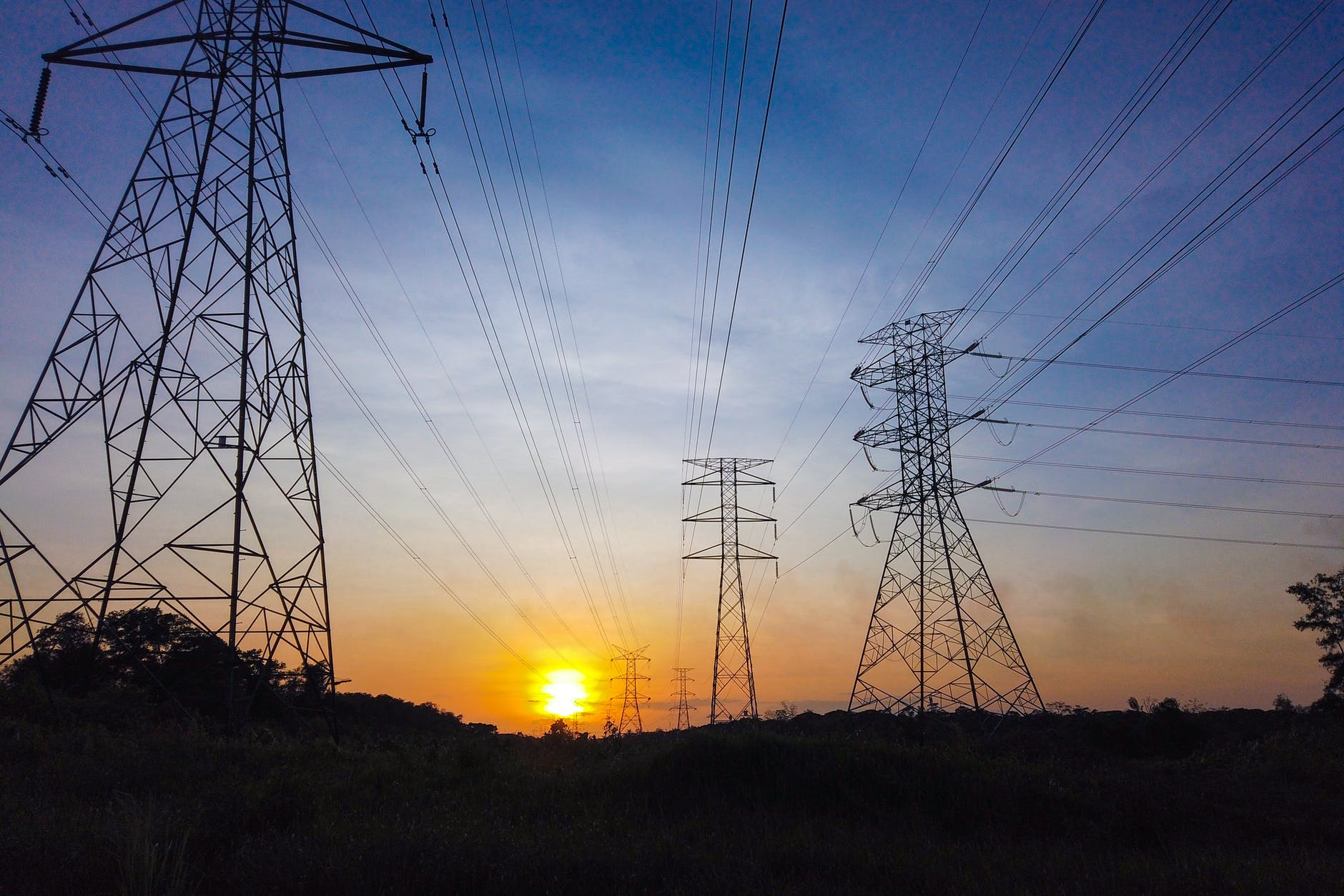
The project, under the Build-Own-Operate-Transfer model, involves constructing 250 kilometers of transmission lines and two new substations, enhancing the state's power infrastructure and capacity over a 35-year service period.
Why it matters: Grid congestion is the #1 killer of solar ROI; this deal proves that private transmission is becoming a more lucrative and stable asset class than generation itself.
While European installers are busy obsessing over a 2% drop in TOPCon module prices, the real money is moving upstream into the one thing that actually determines a project’s survival: the grid. Tata Power securing a 35-year revenue stream of approximately €57.5 million (₹521 crore) annually for a 250km transmission stretch in Karnataka isn't just an "Indian infrastructure story." It is a blueprint for how the global energy transition will eventually be funded—and it highlights exactly where Europe is failing.
The BOOT Model is the Cure for Curtailment
In Germany, the Netherlands, and Poland, we are seeing record levels of curtailment because the state-led grid expansion is moving at a glacial pace. Meanwhile, the Build-Own-Operate-Transfer (BOOT) model used here by Tata allows private capital to bypass the bureaucratic bottleneck. For a solar developer in Spain or Greece, the frustration of being told there is no capacity is a daily reality. This Karnataka deal shows that when you treat transmission as a bankable, private asset rather than a state-managed utility service, you unlock the capacity that solar projects need to survive.
The Shift from Generation to Infrastructure
We’ve seen this pattern before. When the generation market gets saturated and margins compress, the smart money moves to the bottleneck. Right now, the bottleneck is the wire. If European regulators don't adopt similar private-led transmission models soon, we’ll be staring at a continent of stranded assets while players like Tata build the future of energy logistics elsewhere.