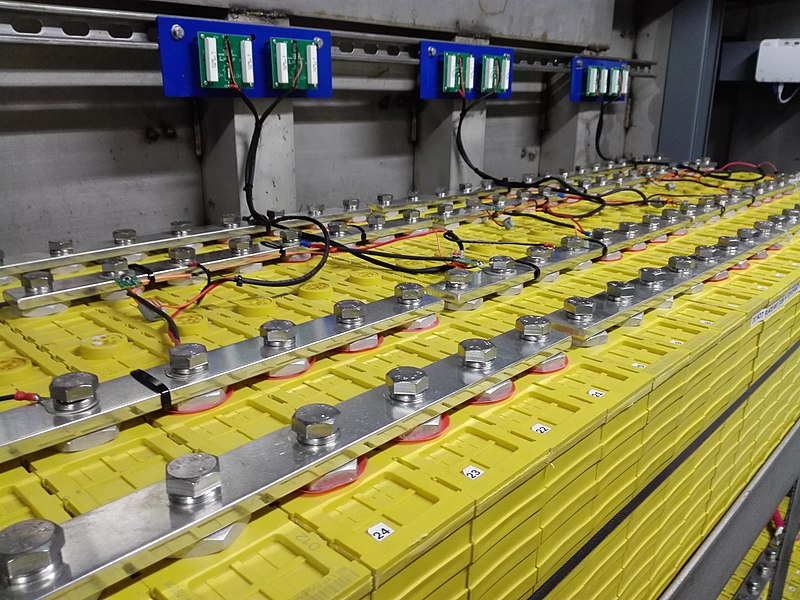
La tendencia apunta hacia la creación de proveedores energéticos integrados capaces de suministrar todos los componentes críticos de una planta renovable, desde el módulo hasta la batería y la gestión energética.
Why it matters: Choosing a closed 'full-stack' vendor turns your installation business into a glorified franchise, stripping away your technical leverage and long-term service margins.
We are witnessing the 'Apple-ification' of the solar industry, and if you’re an installer in Berlin or Madrid, you should be checking your pockets. Manufacturers like Huawei, Trina, and Jinko aren't diversifying because they want to make your life easier; they’re doing it because module prices have tanked to a suicidal €0.10-€0.12/Wp. To survive, they need to capture the high-margin software and storage layers that you used to control.
The Illusion of Interoperability
The pitch is seductive: 'One app, one warranty, one tech support line.' But we’ve seen this movie before. When you lock a C&I client into a single-brand ecosystem, you lose your greatest leverage—the ability to swap components when supply chains choke or firmware bugs emerge. If a Sungrow logger doesn't talk to a third-party heat pump because of a proprietary API update, you’re the one who gets the 7:00 AM phone call, not the factory in Hefei.
The real play here is the data. By owning the inverter, the battery, and the EMS, these manufacturers are positioning themselves to become the Virtual Power Plant (VPP) operators of tomorrow. They want the recurring revenue from grid balancing services—revenue that should arguably belong to the asset owner or the local developer who actually built the site.