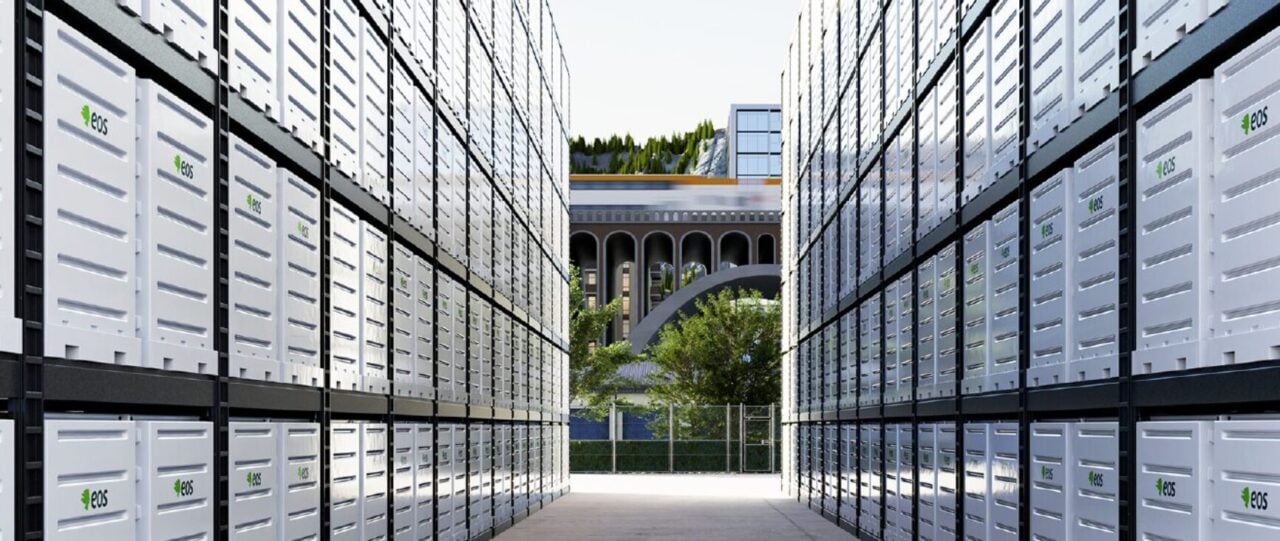
FlexGen and Eos Energy Enterprises, two US energy storage sector companies with different specialisations, have entered the European market.
Why it matters: Stop pitching 2-hour lithium boxes to clients who need 10-hour resilience to survive negative price spikes and tightening fire regulations.
Don’t get distracted by the PR fluff of 'international expansion.' The real story here is the end of the lithium-ion monopoly for stationary storage in Europe. We’ve been stuck in a 2-hour discharge rut because that’s what the chemistry dictates, but the market signal is changing. In markets like Germany and the Netherlands, where negative pricing is no longer a freak occurrence but a structural feature, a 2-hour BESS is just a sophisticated way to lose money slightly slower.
The Zinc Gambit
Eos Energy isn’t bringing more of the same. Their Znyth aqueous zinc battery is a direct shot at the fire marshals and insurance adjusters currently making your lives miserable in dense C&I environments. Zinc doesn’t do thermal runaway. It doesn’t need HVAC systems that eat your ROI. For a developer in the Ruhr valley or an industrial park in Milan, being able to skip the 'will it explode?' conversation with local authorities is a massive competitive advantage. More importantly, Eos targets the 3-to-12-hour discharge window. If you’re still pitching 1C or 0.5C lithium racks for long-duration needs, you’re bringing a knife to a gunfight.
Software is the Survival Strategy
Then there’s FlexGen. Their HybridOS platform is the 'brain' that the European mid-market desperately needs. Most installers are still selling hardware combos; the pros are selling arbitrage. FlexGen’s entry suggests they see a vacuum in European EMS (Energy Management Systems) capable of handling complex multi-asset sites. If you’re building a solar + storage + EV charging hub, you don't need a battery; you need an operating system that won't choke on VDE-AR-N 4110 grid code compliance.