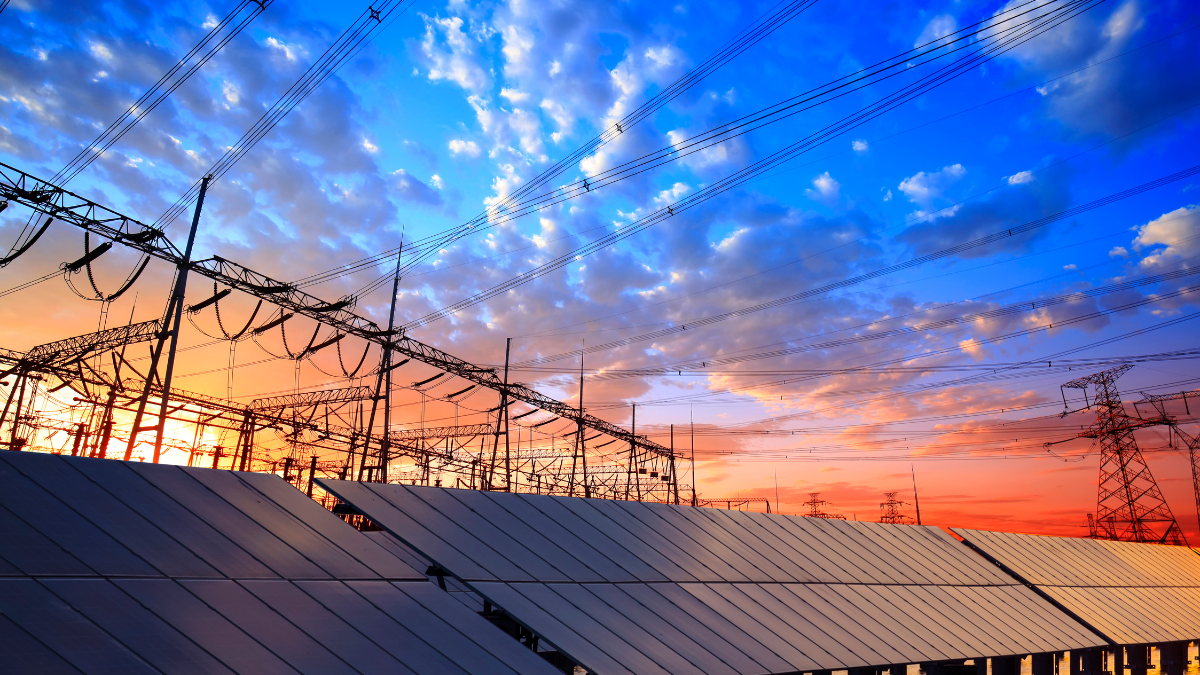
The Gujarat Electricity Regulatory Commission is mediating a dispute between Carysil Limited and PGVCL over the delay in commissioning a solar power project and the encashment of a ₹26.40 lakh bank guarantee.
Why it matters: A utility encashing your bank guarantee because of their own regulatory delay is a preventable margin collapse—tighten your 'Completion' definitions now.
The Hidden Danger of 'Regulatory Friction'
This isn't just an Indian administrative tiff; it’s a masterclass in how Bank Guarantees (BGs) are used as weapons when the grid fails to keep up with developers. For a 2.64 MW project, a ₹26.40 lakh (approx. €29,000) penalty might seem like a rounding error in the Capex, but for an EPC or developer, that is pure liquid cash ripped directly from the net margin.
In Europe, we are seeing a mirror image of this tension. As grid congestion worsens from the Netherlands (where TenneT and Enexis are struggling with capacity) to Germany’s E.ON territories, the gap between 'Mechanical Completion' and 'Grid Connection' is widening. If your contract doesn't explicitly decouple your performance bond from the utility’s timeline, you are effectively underwriting the DSO’s incompetence with your own balance sheet.
Protecting the EPC Portfolio
We’ve seen this pattern before. An installer finishes a C&I rooftop in six weeks, but the metering equipment or the transformer upgrade takes six months. If the client—or a hostile utility—decides to play hardball, they can trigger the BG because the 'Commissioning' date wasn't met. To avoid the Carysil trap, consider these three moves:
Don't let a utility's bureaucratic lag become your financial liability. If the grid isn't ready, your money shouldn't be held hostage.