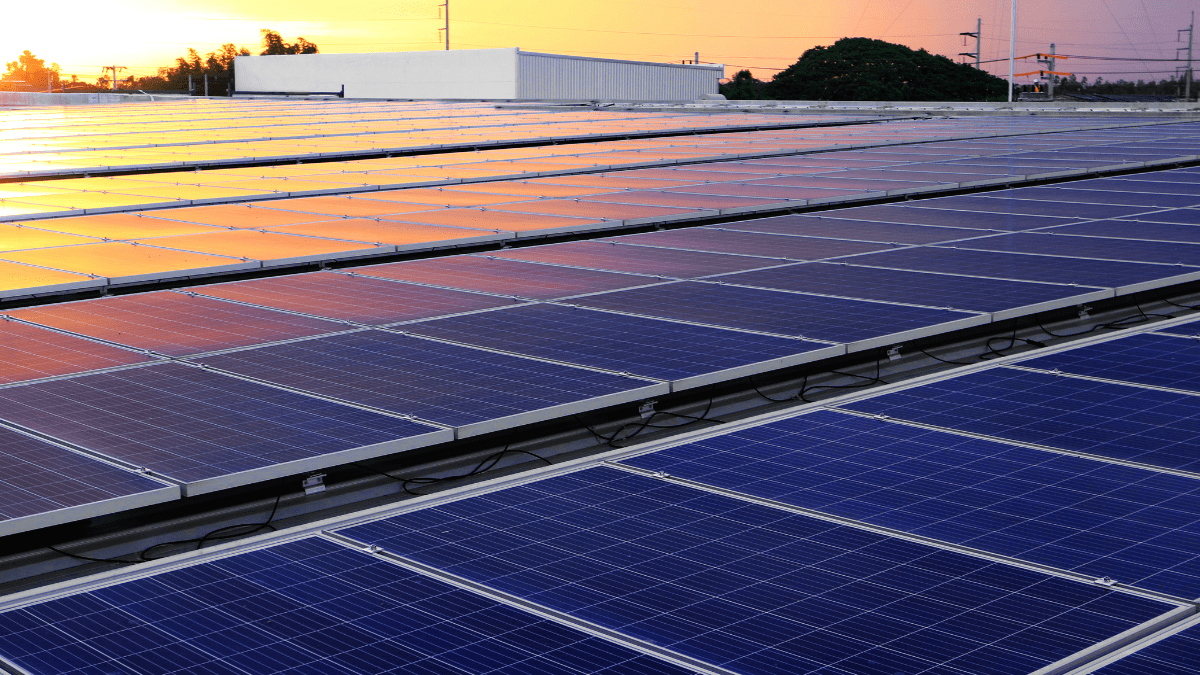
The plan aims to enhance participation from residential consumers, with new capital costs and tariff reductions for various solar projects, promoting a cleaner energy transition.
Why it matters: India's massive push for residential solar will compete directly for the same Tier 1 module and inverter supply chains you rely on for your 2026 project pipeline.
On the surface, a tariff update from the Karnataka Electricity Regulatory Commission (KERC) looks like localized noise. But for those of us in the EU managing procurement and project pipelines, it’s a signal flare. Karnataka isn’t just any region; it’s one of India’s solar powerhouses. When they move the goalposts for the 2026-2029 period, they are effectively telegraphing the next global demand spike for residential-scale equipment.
The Module Tug-of-War
Why does a Dutch installer care about a tariff in Bangalore? Because of the ALMM (Approved List of Models and Manufacturers). India is aggressively trying to decouple from Chinese silicon while simultaneously hyper-scaling residential adoption. If KERC’s proposed tariffs succeed in triggering a rooftop boom, we are looking at a massive internal drain on Tier 1 N-type TopCon modules. When India’s domestic demand surges, the "overflow" of cheap Chinese modules currently sitting in Rotterdam warehouses starts to dry up, or worse, the pricing leverage shifts back to manufacturers like Jinko or LONGi.
Post-Subsidy Realism
The KERC proposal focuses on "tariff reductions" and updated capital costs. This is the same maturity curve we’ve seen in the Netherlands with the phasing out of net metering or in Germany with the reduction of the EEG feed-in tariff. They are moving away from "incentivizing" solar and toward "optimizing" it. For European developers, the lesson here is clear: the global market is transitioning to a high-volume, low-margin environment where the only way to win is through installation efficiency and integrated storage solutions.