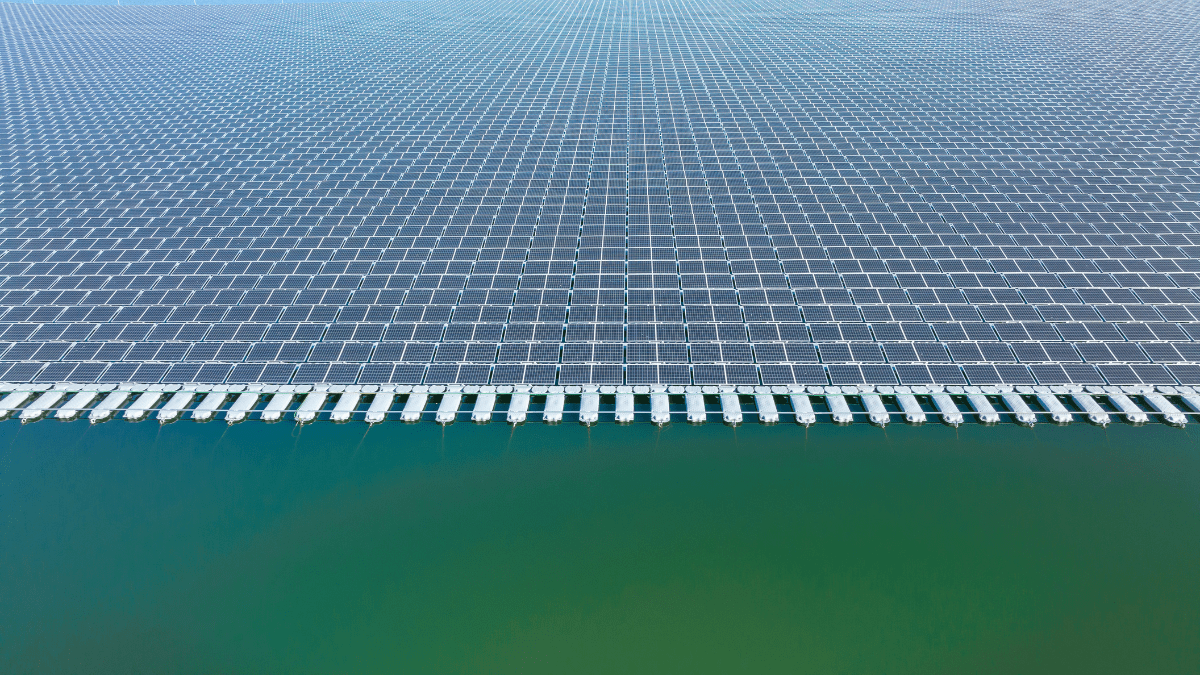
The Fertilisers and Chemicals Travancore Limited (FACT) has invited online bids for a 6 MW AC floating solar PV power project in Kerala, under the Build-Own-Operate-Transfer model.
Why it matters: Industrial water bodies are the next frontier for land-constrained EU markets; master the anchoring and chemistry now or watch your competitors take the high-yield sites.
A 6MW project in Kerala might seem like a rounding error compared to the gigawatt-scale tenders we usually see from India, but for the European C&I installer, this is the signal you shouldn’t ignore. We are moving past the 'experimental' phase of Floating PV (FPV) and into the 'industrial utility' phase. When a chemical giant like FACT decides to float panels on its lake, it’s about one thing: unexploited assets.
The Industrial Pond Strategy
In markets like the Netherlands, Germany, or Belgium, where land permitting is a bureaucratic nightmare and NIMBYism is a professional sport, industrial ponds—tailing ponds, cooling reservoirs, and gravel pits—are gold mines. If you’re a developer in North Rhine-Westphalia or Brabant, you should be looking at every local industrial water body as a 5-10MW opportunity. The FACT project uses a BOOT (Build-Own-Operate-Transfer) model, which is exactly the kind of PPA-driven structure that European industrial clients are finally warming up to as they seek to hedge against volatile electricity prices without the CAPEX hit.
The Technical Reality Check
Don't wait for a government tender. The real money in FPV isn't in massive utility reservoirs; it's in the 2-10MW industrial projects sitting right behind the factory gates of your existing clients. If they have a pond and a high electricity bill, you have a project.