The Solar Installers Meet 2026, hosted by SunAP Ecopower on 25 June 2026 in Bengaluru, will unite industry professionals to explore advanced solar technologies, hybrid systems, and battery energy storage.
Why it matters: If you're only tracking Chinese and European brands, you're missing the next wave of price-competitive, ruggedized hardware landing in Rotterdam.
While most European installers are hyper-focused on the latest price war between Jinko and LONGi, or waiting for the next SMA firmware update, a massive tectonic shift is happening in Bengaluru. SunAP Ecopower, Novasys, and Feston aren't exactly household names in the Rhine Valley yet, but ignore them at your peril. India has become the world's most brutal proving ground for solar hardware, and the gear being showcased at the 2026 Solar Installers Meet is exactly what will be hitting the European C&I market when Chinese supply chains hit their next geopolitical snag.
The Ultimate High-Heat Stress Test
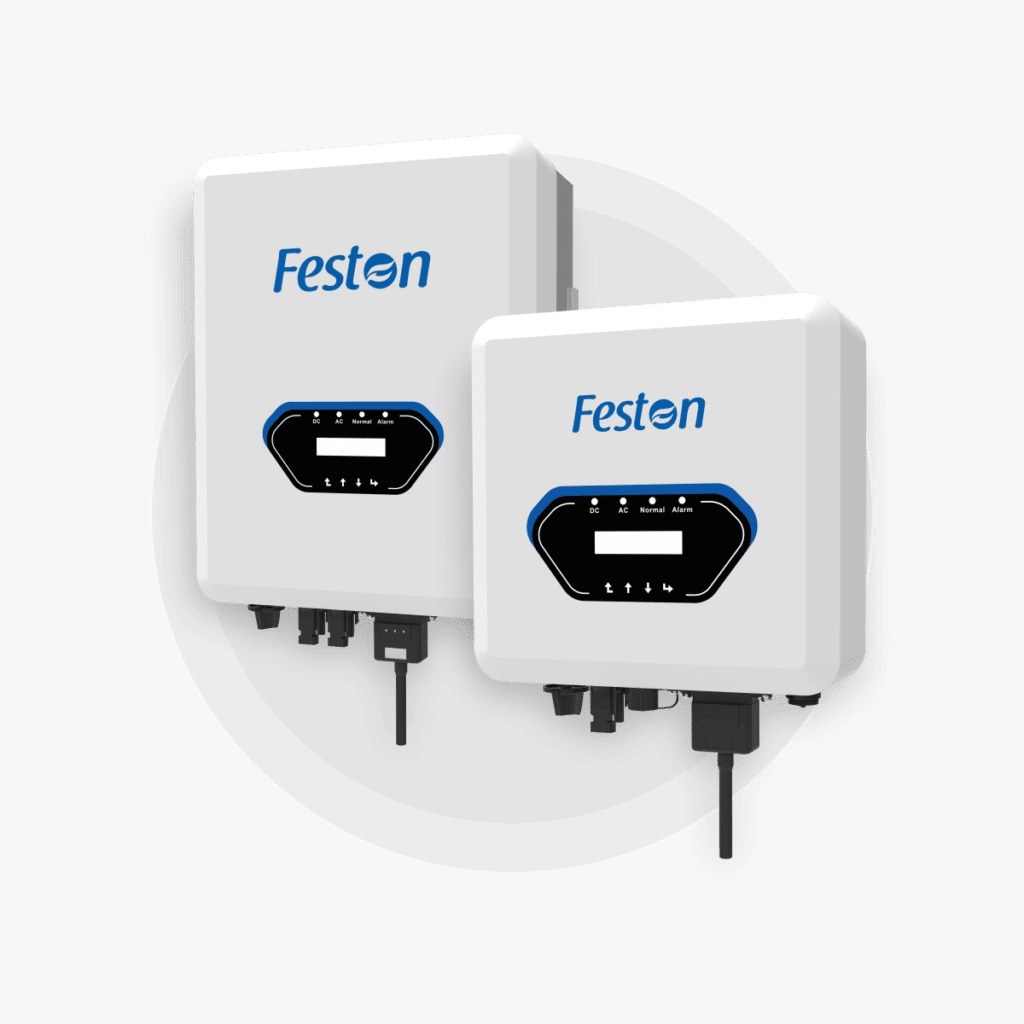
Why should a German or Spanish installer care about an event in Karnataka? Because India’s grid is a nightmare of voltage fluctuations and ambient temperatures that regularly top 45°C. If a Feston hybrid inverter or a Novasys high-efficiency module can survive three seasons in the Indian C&I sector, it will likely have a lower failure rate in a Mediterranean summer than the 'premium' European brands we’ve seen struggle lately. We are seeing a move toward 'ruggedized' solar—hardware designed for instability, which is becoming increasingly relevant as European grids face their own congestion and stability issues.
The Margin Play for 2026
European installers are currently caught in a pincer movement: falling hardware prices are being offset by rising labor costs and administrative friction. To maintain a 20%+ margin, you cannot rely solely on the same three Tier-1 brands everyone else is quoting. Market signal analysis suggests that Indian manufacturers, bolstered by the Production Linked Incentive (PLI) scheme and a domestic market adding 15GW+ annually, are looking for export outlets. These 'Tier 1.5' brands offer a sweet spot for the savvy contractor:
I’ve seen this pattern before. Ten years ago, we laughed at 'budget' Chinese brands that now dominate our warehouses. By the time this 2026 meet concludes, these Indian players won't just be looking for local installers—they’ll be looking for European distributors.