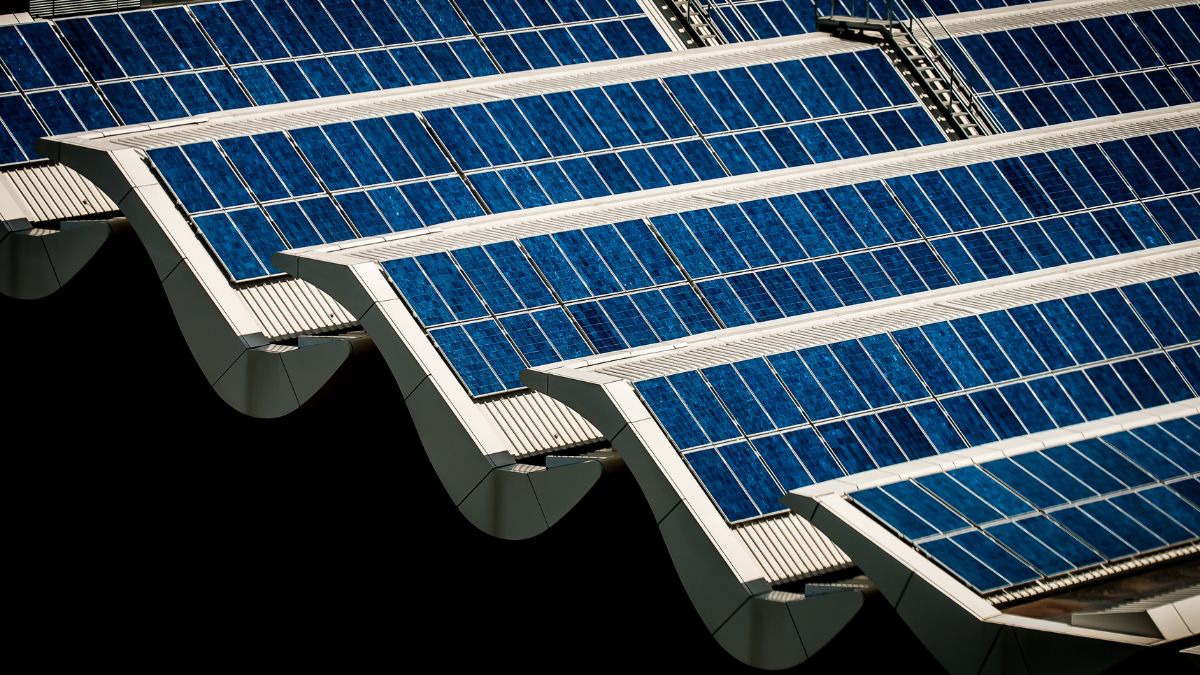
Daystar Power Group has installed nearly 7 MW of solar capacity at four Nestlé facilities in Côte d'Ivoire, Ghana, and Senegal, marking a significant renewable energy collaboration in West Africa.
Why it matters: Your biggest European clients are decarbonizing their global footprints—if you aren't following them abroad, Shell and Daystar will take the contract.
The 'Follow the Client' Strategy
If you think 6.9 MW across four sites is small change, you’re missing the forest for the trees. This isn't a story about West African infrastructure; it’s a story about Shell (which acquired Daystar in 2022) leveraging its balance sheet to lock in European FMCG giants like Nestlé across their entire global footprint. For an EPC in Germany or the Netherlands, the lesson is clear: your C&I clients are looking at their Scope 3 emissions and global supply chains. If you aren't offering them a multi-region solution, someone with deeper pockets will.
Why the PPA Model Wins in Volatile Grids
In markets like Ghana and Senegal, the grid isn't just carbon-heavy; it's unreliable. Daystar isn't just selling modules; they are selling uptime. By using a Power-as-a-Service model, they remove the CAPEX barrier that often stalls African projects. For European installers, this is a signal to stop selling 'hardware plus labor' and start looking at financing partnerships. A 1.7 MW average per site is the 'Goldilocks' zone for industrial rooftop and carport solar—large enough for economies of scale, yet small enough to avoid the regulatory nightmare of utility-scale licensing.
Technical Hostility as a Competitive Advantage
Building in West Africa is a masterclass in O&M. You’re dealing with harmattan dust (which can cut yields by 30% in weeks) and high humidity that eats through inferior mounting systems. Daystar’s success here proves that the 'build it and forget it' mentality of 2015-era European solar is dead. To compete with the majors, European firms must double down on remote monitoring and robust O&M contracts. If you can prove your systems survive a Dakar summer, you can sell them anywhere in the world.