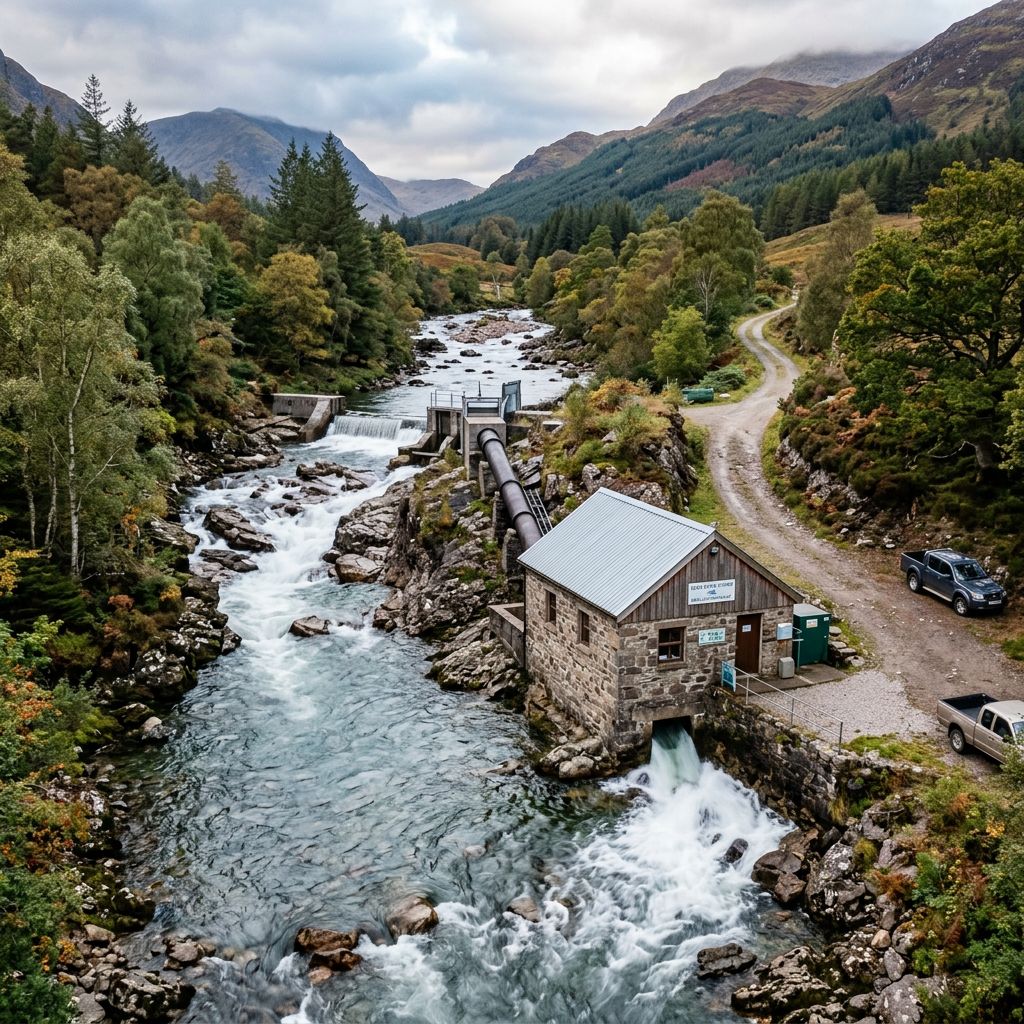
The Ministry of New and Renewable Energy (MNRE) seeks bids for a Project Management Unit under the Small Hydro Power Development Scheme.
Why it matters: Chasing small-scale hydro in emerging markets is a regulatory trap; your time is better spent scaling C&I solar and BESS where permitting is predictable.
Let’s call this what it is: a distraction. While headlines from the Indian Ministry of New and Renewable Energy (MNRE) usually signal massive GW-scale solar parks or green hydrogen breakthroughs, this ₹3.08 crore (€340,000) tender for a Project Management Unit (PMU) is small change. For a European developer or EPC looking at international expansion, this is the classic "niche trap."
The Permitting Nightmare
We’ve seen this movie before in the Balkans and the Austrian Alps. Small hydro sounds great on a spreadsheet as a baseload balancer for PV, but the reality is a regulatory quagmire. Unlike a 5MW ground-mounted solar array that you can permit and build in a predictable timeframe, small hydro involves complex riparian rights, environmental impact assessments that take years, and constant local opposition. If the MNRE needs to hire an external agency just to manage the Small Hydro Power Development Scheme, imagine the bureaucratic hurdle for the actual builder.
The QCBS Trap
The tender uses the Quality and Cost Based Selection (QCBS) method. In my experience, when government bodies use QCBS for management contracts, they often end up with the firm that knows how to write the best reports, not the firm that knows how to get turbines spinning. For European solar professionals, the signal here is clear: Don't diversify into small-scale hydro.
If you're eyeing India, wait for the next SECI hybrid solar-plus-wind-plus-storage tender. Leave the small hydro to the local specialists who have the patience for a decade-long development cycle.