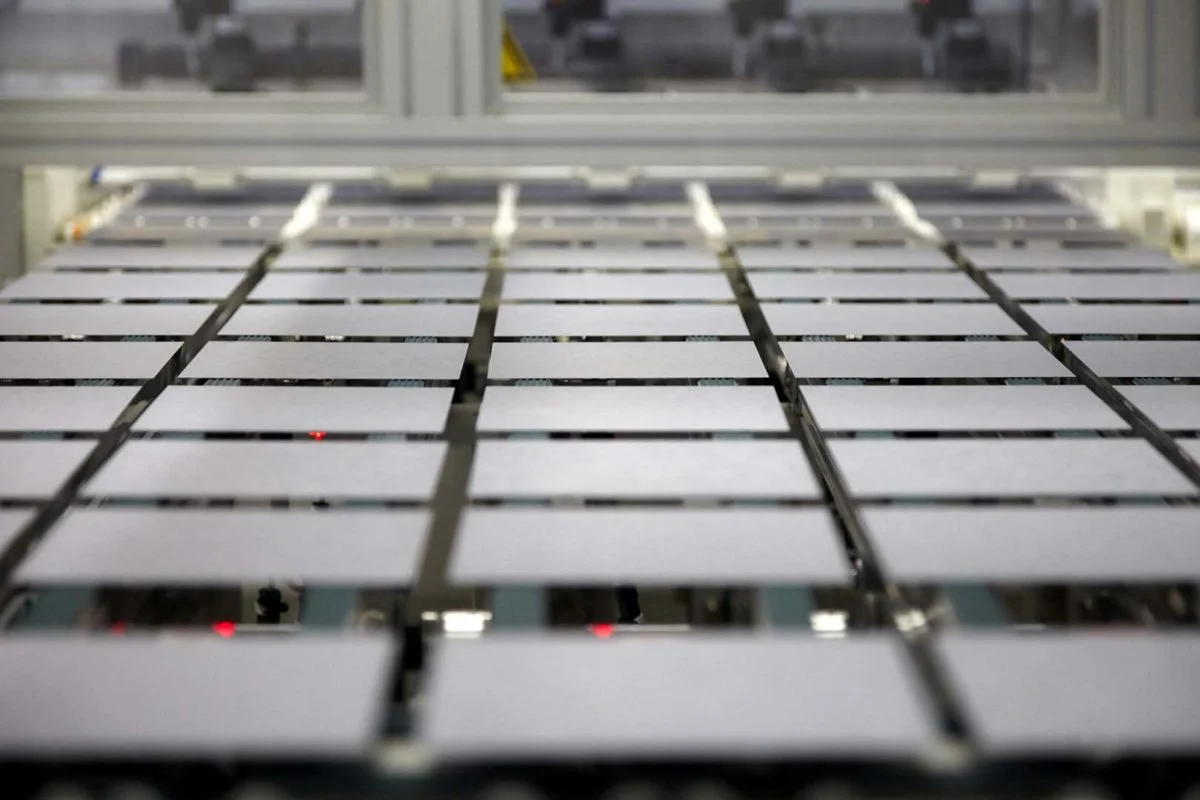
A new anti-circumvention inquiry request has been filed with the US Department of Commerce against Hanwha and other solar cell producers regarding the import of solar cells from South Korea to the US.
Why it matters: When the US pulls up the drawbridge on Korean cells, expect Hanwha’s surplus to land in your warehouse at a discount—don't overpay for inventory today.
The protectionist theater in the United States has reached a fever pitch, and if you think a trade spat between Washington and Seoul doesn't affect your pipeline in Brandenburg or Brabant, you haven’t been paying attention to how global supply chains react to a dam break. This isn't just another AD/CVD (Antidumping and Countervailing Duty) filing; it’s a signal that the 'friend-shoring' era is collapsing under the weight of domestic political pressure.
The Overflow Effect
When the US Department of Commerce starts looking sideways at South Korean cells, Hanwha Qcells—a brand many of you rely on for 'bankable' residential and C&I projects—suddenly finds its biggest high-margin market under threat. Logic dictates that when one door slams shut, the manufacturer pushes twice as hard on the doors that remain open. For European installers, this means one thing: Inventory redirection.
We saw this in 2022 and 2023. When US customs (CBP) detained modules over UFLPA concerns, the surplus didn't vanish; it landed in Rotterdam. If Korean-made cells face tariffs of 20% or higher in the US, expect Hanwha and their peers to pivot their volumes toward Europe to maintain factory utilization rates. For a Dutch installer currently paying €0.11/Wp for mid-range modules, this supply diversion could provide the downward pressure that keeps your margins alive while labor costs continue to climb.
A Warning for European 'Local' Manufacturing
This news is also a grim reality check for the EU Net Zero Industry Act (NZIA) crowd. If the US is willing to cannibalize its relationship with a strategic ally like South Korea to protect a few domestic factories, what hope does a fragmented European manufacturing base have? Companies like Meyer Burger have already shifted focus to the US precisely because of these trade protections. If those protections now extend to hitting Korean cells, we are entering a phase of total trade fragmentation. Don't get locked into long-term supply agreements based on today’s pricing. The volatility is just beginning, and the 'made in Europe' premium is looking more fragile by the day.