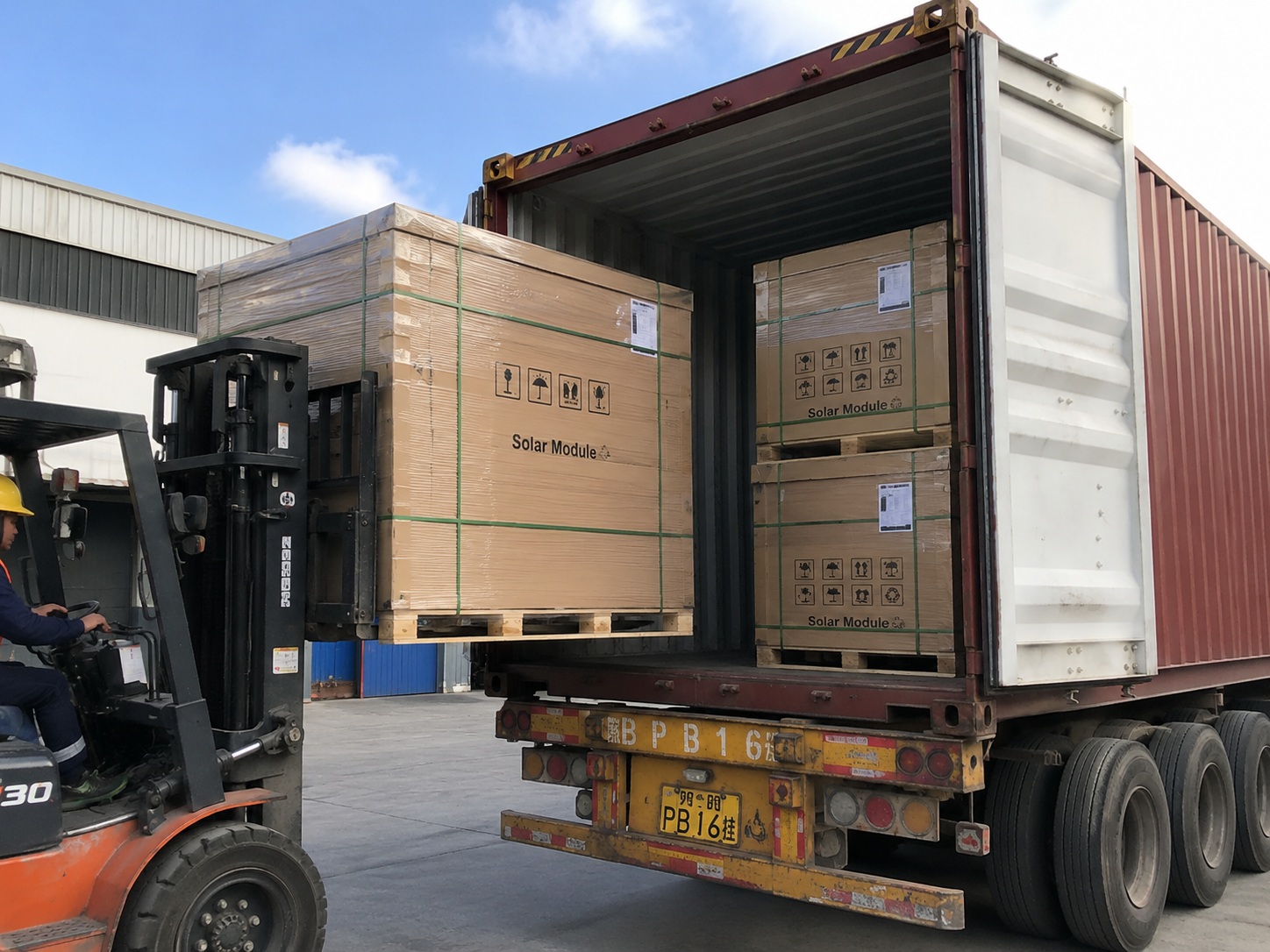
En 2025, los envíos mundiales de módulos fotovoltaicos superaron ligeramente el nivel del año anterior.
Why it matters: The shift from scarcity to a 706 GW glut means your biggest risk isn't getting stock—it's picking a manufacturer that will still exist when your client has a warranty claim in 2030.
The Illusion of Growth
On paper, 706 GW is a staggering number. It’s enough to make any old-school utility exec’s head spin. But for the European pro, the phrase "superaron ligeramente" (slightly exceeded) is the real headline. We have officially exited the era of exponential shipment growth and entered the era of the 'Grind.' When year-over-year growth flattens while Chinese manufacturing capacity is still hovering near 1 TW, you aren't looking at a healthy market—you're looking at a bloodbath for margins.
The TOPCon Hegemony
The ITRPV report confirms what we’re seeing on rooftops from Munich to Madrid: the total consolidation of cell technology. If you are still trying to offload PERC inventory, you are holding a depreciating asset that nobody wants. TOPCon has won the efficiency war for now, with mass-market modules pushing 23% efficiency. For an installer in a high-labor market like the Netherlands or Germany, this isn't about 'green energy'—it's about Balance of System (BOS) math. Higher efficiency means fewer modules per kWp, fewer mounting hooks, less rail, and fewer man-hours on a roof. At 706 GW of global supply, the hardware is a commodity; your profit is now found in labor optimization.
The Warranty Time Bomb
Here is the contrarian take: record shipments during a period of overcapacity and low margins is a recipe for manufacturer insolvency. We’ve seen this cycle before (think Suntech or Q-Cells in the 2010s). If your supplier is shipping millions of panels at near-zero profit just to maintain market share, their 25-year linear power warranty is effectively worthless. When I see these 2025 numbers, I don't see a booming industry; I see a market where bankability and O&M risk should be the primary selling points for your C&I clients, not just the lowest price per watt.