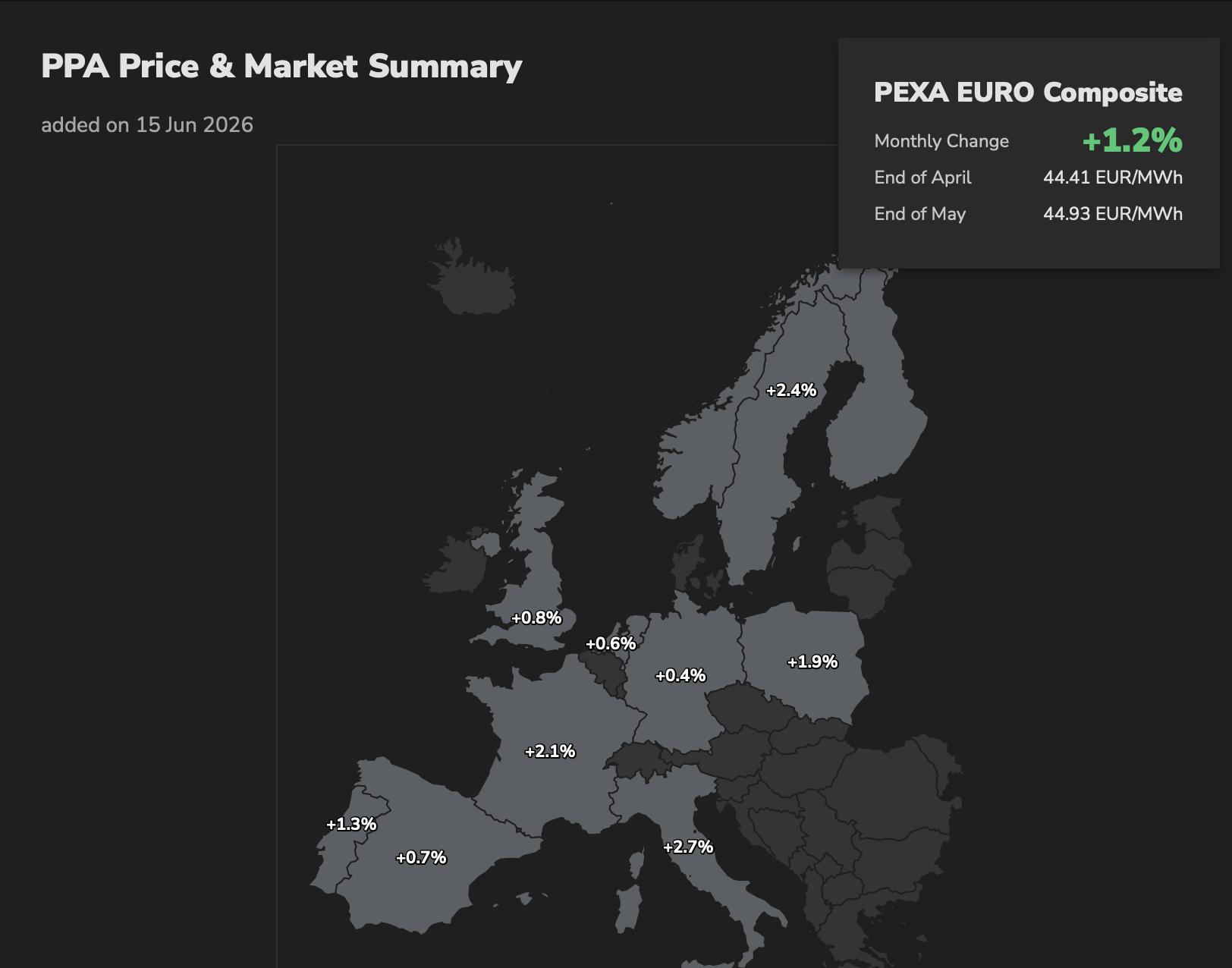
La operación más destacada fue la firmada entre Trafigura y Nadara para cinco plantas solares y once activos eólicos terrestres en España, con una capacidad conjunta de 434 MW y una duración de diez años.
Why it matters: Pure-play solar is becoming a liability in saturated markets; your future depends on selling 'firm' power through hybridization or storage, not just peak-sun kilowatts.
When a commodity trading titan like Trafigura signs a 434 MW deal across 16 different assets, they aren’t just 'going green'—they are executing a sophisticated arbitrage play. This isn't your standard rooftop installation; this is a clear market signal that the era of the pure-play solar PPA in Iberia is effectively over for anyone who wants to protect their margins.
The Cannibalization Hedge
The fact that this deal mixes five solar plants with eleven onshore wind assets is the real story. In Spain, we've seen midday capture prices crater toward €0/MWh during high-generation periods. By bundling wind and solar, Nadara (formerly Ventient Energy and Renantis) is offering a 'shaped' profile that produces power when the sun isn't shining. If you are a developer still pitching 100% solar projects in southern Europe without a plan for the 12:00 PM price crash, you are selling a product that the market is increasingly allergic to.
Why Storage is 'Slowing' (For Now)
The article notes a deceleration in storage. Don't mistake this for a lack of interest. It’s a Capex standoff. With PPA prices rebounding, some developers are betting that hybridizing wind and solar (which have complementary generation profiles) is a more cost-effective way to firm up their capacity than the current cost of BESS (Battery Energy Storage Systems). However, this is a dangerous game. As more hybrid projects like the Trafigura-Nadara deal come online, the 'wind+solar' profile will eventually face its own cannibalization.
For the medium-sized installer or C&I developer, the takeaway is brutal: if you aren't talking to your clients about how wind-solar hybridization or behind-the-meter storage protects their ROI from the 'duck curve,' you’re just waiting for the market to price you out.