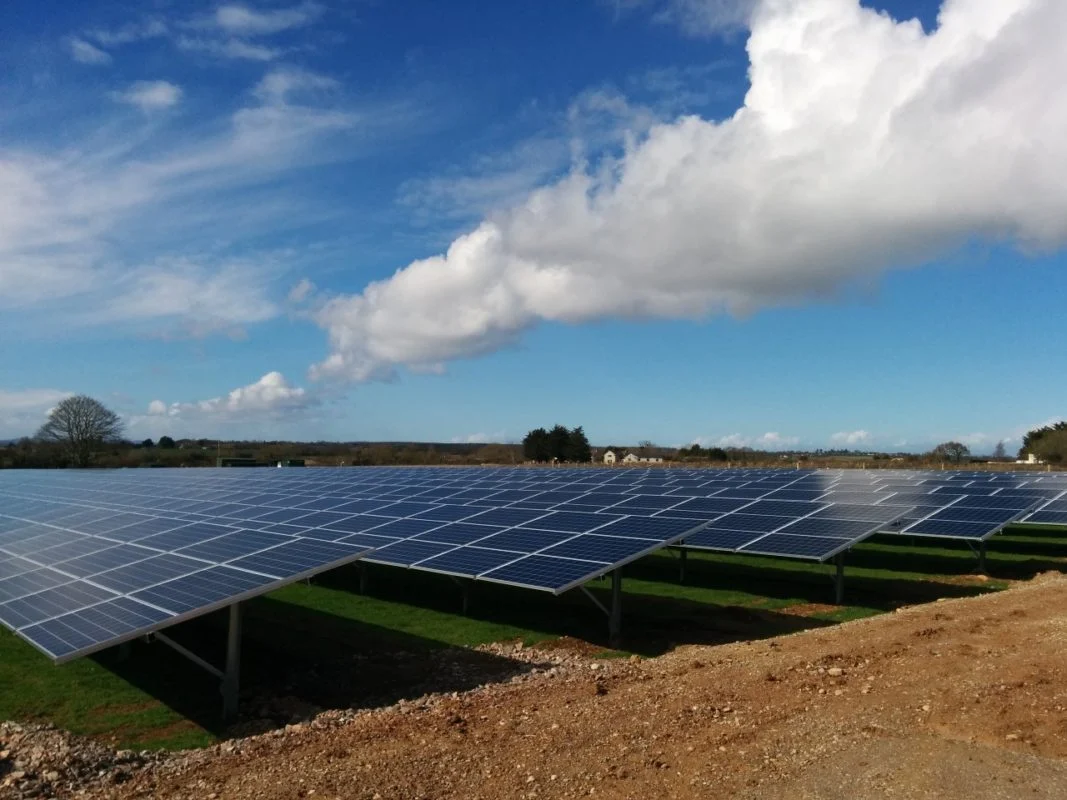
Pathfinder Clean Energy (PACE) has secured a €100 million investment to support its deployment of a solar and BESS portfolio in the UK.
Why it matters: The 2:1 solar-to-storage ratio is the new industry standard; if your pipeline doesn't include BESS, your financing will evaporate.
If you are still developing utility-scale solar projects without a meaningful battery component, you aren't building an asset—you’re building a liability. The news that Pathfinder Clean Energy (PACE) just locked in €100 million for a 400MW solar and 200MW BESS portfolio isn't just another funding headline; it is a clinical look at the 0.5-to-1 storage-to-generation ratio that is becoming the survival minimum in saturated markets.
The Cannibalization Math
In the UK, as in much of Iberia and Germany, the 'solar cannibalization' effect is no longer a theoretical risk in a spreadsheet—it's a daily reality. During peak production, wholesale prices are cratering. By pairing 200MW of storage with 400MW of PV, PACE isn't just selling electrons; they are time-shifting them to avoid the midday price trough. For a developer in the Netherlands or Poland watching their local grid operators struggle with congestion, this is the only blueprint that makes sense for 2025.
We’ve seen this movie before. In 2018, BESS was an 'optional extra' to boost an IRR by 50 basis points. Today, without it, your project doesn't get past the first round of institutional due diligence. If you’re a developer pitching a 10MW project in 2024 without at least 5MWh of storage, don't be surprised when the banks stop returning your calls. PACE’s 2:1 ratio is the new benchmark for 'bankable' solar.