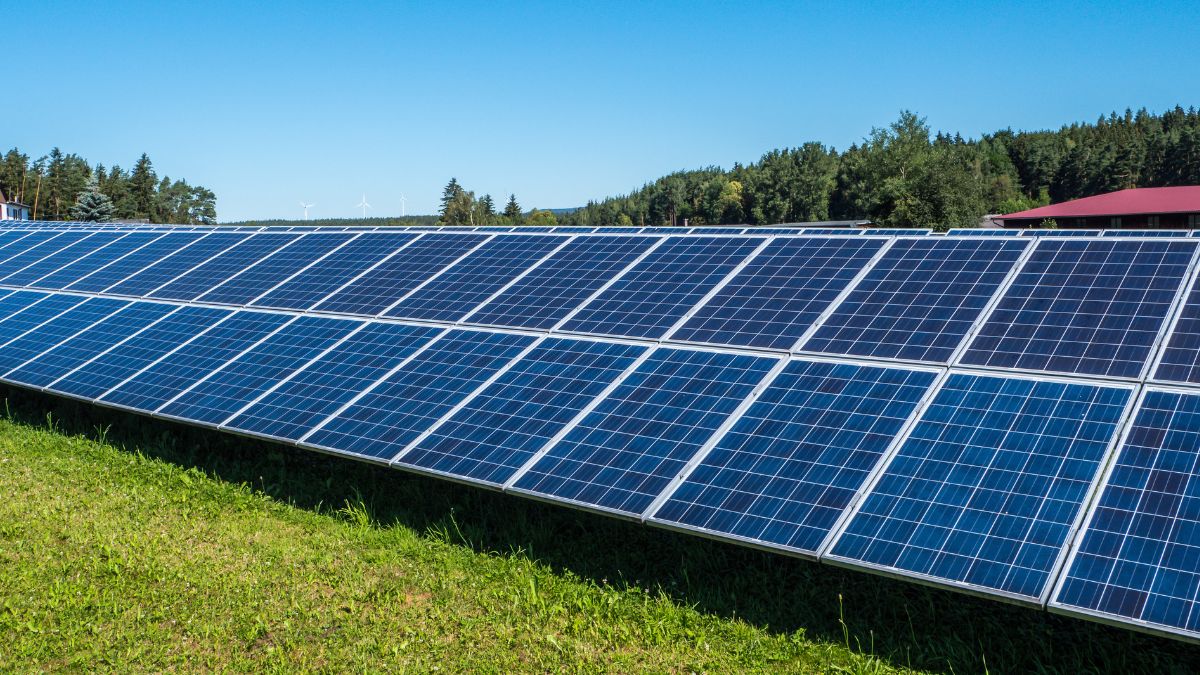
They seek qualified investors and partners, backed by a 20-year Power Purchase Agreement. Interested parties must submit proposals by 3 July 2026, demonstrating relevant financial capacity and experience.
Why it matters: As European merchant prices crater, 20-year fixed PPAs in emerging markets offer the margin security that EU projects no longer provide.
While European installers are currently wrestling with the nightmare of negative pricing and the 'cannibalization effect' in saturated markets like the Netherlands and Spain, Afrigen Energy’s call for a 50 MW partner is a reminder that the 20-year fixed-rate PPA still exists—it just isn't in Europe anymore. For a mid-sized European EPC or developer, this isn't just another project in a far-off land; it’s a strategic hedge against the domestic merchant price collapse.
The Yield Gap Strategy
Let’s look at the numbers. In Germany or France, you’re lucky to secure a PPA longer than 7 to 10 years without taking a massive haircut on the strike price. Afrigen is dangling a 20-year contract. For an EU-based firm with a strong balance sheet, the play here isn't just building the plant; it's leveraging European export credit guarantees (like Germany's Euler Hermes or France's Bpifrance) to lower the cost of capital in a high-yield environment. You bring the technical rigour—European engineering standards are still the gold standard for African off-takers—and you get paid for that risk premium that no longer exists in the over-regulated EU market.
Technical Realities vs. European Bureaucracy
I’ve seen too many EU developers treat these projects as 'easy wins.' They aren't. While you won't deal with the same level of Nimbyism you'd find in a Bavarian village, you will deal with grid instability that would make a TenneT engineer faint. A 50 MW block in this region often requires sophisticated frequency regulation and potentially a BESS component that isn't even mentioned in the initial EOI but will be mandatory for bankability.
Ultimately, this 3 July 2026 deadline is a litmus test. If you’re a developer tired of fighting for 2% margins on a C&I rooftop in Milan, it’s time to dust off your international project finance hat. The risk is higher, but at least the PPA lasts longer than a standard inverter warranty.